 Free shipping on orders over £29,85
  Shipping Tracking!


 Google
 Facebook
How to apply Caldart epoxy primer?
Step-by-step guide for flawless epoxy primer application


Preparing surfaces with Caldart epoxy primer is crucial for achieving robust and long-lasting epoxy coatings. Whether you are a professional installer or an ambitious DIY enthusiast, applying the primer correctly enhances adhesion, prevents coating failures, and ensures a consistent, resilient finish across concrete, timber, tiles, or screeds. This guide walks you through each step to help you master the process from start to finish.
What You’ll Need
- “Epoxyprimer” – Universal Water-Based Two-Component Epoxy Floor Primer – designed for secure adhesion to various substrates
- Resin & Paint Application Rollers – Short-Pile, Large, and Sponge Types – for smooth and uniform primer application
- (Optional for cartridge mixing) “Mixer Nozzle” – For Mixing Epoxy Glue, 50ml, Araldite 2000 Series Compatible
- (Optional for bubble removal) Gas Heat Gun for Epoxy Resin – Precision Tool for Bubble Removal and Finishing
- Protective gloves and safety glasses
- Clean bucket for manual mixing
- Masking tape (for edges)

Perfecting Surface Preparation
Thorough cleaning and correct substrate preparation dramatically impact the longevity of any epoxy system. Pay extra attention to removing dust and ensuring the floor is completely dry before priming for best results.
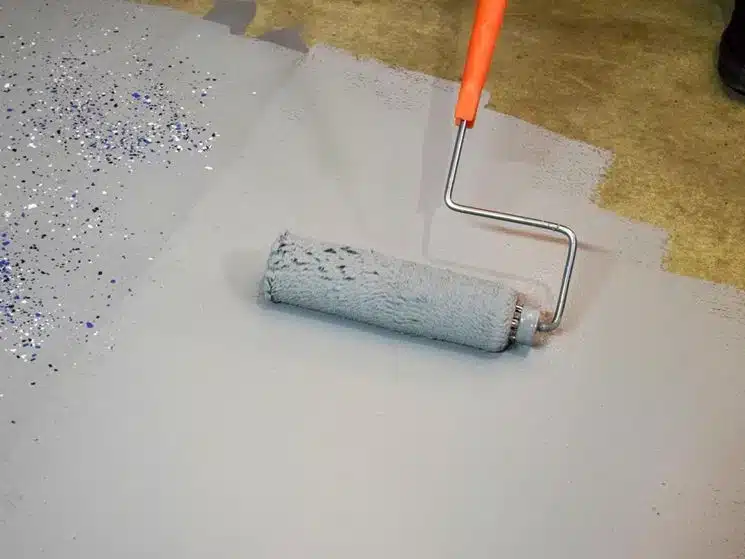
Step 1: Prepare and Clean the Surface
Start by ensuring your chosen substrate is completely clean, dry, and free of dust, oil, or grease. Remove any debris, loose materials, or residues using a vacuum or broom. If your floor has existing coatings or sealers, abrade these mechanically for optimal primer penetration. For porous or highly absorbent surfaces, a preliminary damp mop can help stabilise dust, but avoid saturating the area. Edges and trims can be masked off to protect adjoining areas from accidental application.
Step 2: Mix the Epoxy Primer Components
Accurate mixing of the two components is essential to activate the primer’s bonding properties. Measure the correct ratio (typically 100:40 by weight, but always follow the manufacturer’s label), and combine in a clean mixing bucket. Stir the contents thoroughly for several minutes, scraping the sides and bottom to blend both parts evenly. For added convenience or precision—if you are working with compatible cartridges—a “Mixer Nozzle” – For Mixing Epoxy Glue, 50ml, Araldite 2000 Series Compatible can be used for thorough and mess-free mixing.
Allow any entrained air bubbles from mixing to dissipate for a few minutes before application.
Step 3: Apply the Primer Evenly
Pour the mixed primer onto the surface in controlled sections. Using a Resin & Paint Application Roller (select either short-pile for detail or large for broader areas), spread the product uniformly in smooth, overlapping strokes. Work systematically from one end of the room to the other, maintaining a wet edge to avoid lap marks. The primer should be applied thinly and evenly, with coverage rate adjusted to surface porosity (typically 100–300 g/m²).
For edges and tight spots, a brush may be used to ensure full coverage. Avoid excessive build-up or overworking, which can hinder adhesion.

Step 4: Inspect and Finish the Surface
Inspect the wet primer for uniformity, coverage gaps, or trapped bubbles. If any bubbles are visible, lightly pass a Gas Heat Gun for Epoxy Resin over the surface, maintaining a safe distance to pop bubbles without scorching the primer.
Allow the primer to cure undisturbed for the recommended 24–48 hours at room temperature. Do not introduce epoxy topcoats until the surface is fully cured and tack-free. Protect the area from dust or moisture ingress during curing.

Tips, Troubleshooting, and Common Mistakes
Always wear gloves and ensure good ventilation during application. Never skip thorough surface cleaning, as stains or grease can cause future delamination. Do not rush mixing or apply in thick, uneven layers—these are common errors that lead to poor adhesion or extended curing. If the primer forms glossy patches, it may be over-applied; sand lightly once cured before any resin overlay. Balancing working speed with careful coverage results in a strong foundation for your finishing coats.
Achieving Consistent Primer Application
Uniform spreading using the right roller or brush allows the epoxy primer to penetrate fully and bond with the substrate. Always monitor coverage to avoid pooling or streaks.

- "Epoxyprimer" – Universal Water-Based Two-Component Epoxy Floor PrimerPrice range: £148.84 through £272.45"Epoxyprimer" is a water-based two-component epoxy floor primer suitable for professionals and DIYers preparing various surfaces.
- Resin & Paint Application Rollers – Short-Pile, Large, and Sponge TypesPrice range: £3.45 through £4.85Rollers designed for epoxy resin applications offer precision and uniformity for various resin surfaces.
- "Mixer Nozzle" – For Mixing Epoxy Glue, 50ml, Araldite 2000 Series Compatible£1.45This epoxy mixer nozzle is designed for Araldite 2000 series 50ml cartridges and bayonet type fitting.
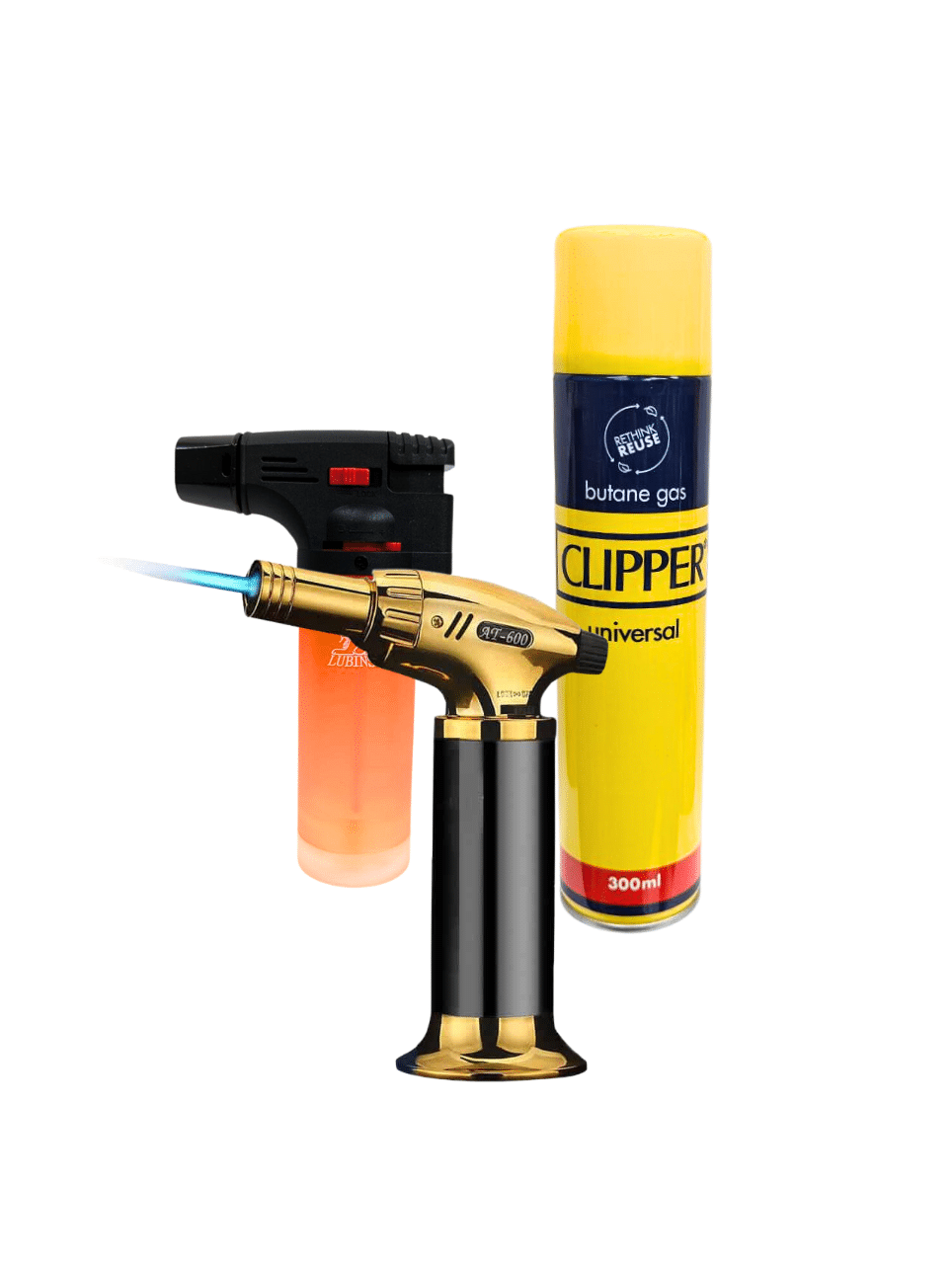 Gas Heat Gun for Epoxy Resin – Precision Tool for Bubble Removal and FinishingPrice range: £4.15 through £13.85The Gas Heat Gun is designed for epoxy resin projects, aiding bubble reduction and finishing with precision heating.
Frequently Asked Questions
Which surfaces can Caldart epoxy primer be applied to?
Caldart epoxy primer is suitable for concrete, timber, screeds, and ceramic tiles.
How long does the primer take to cure?
It usually requires 24–48 hours to fully cure at room temperature before adding resin topcoats.
What are the best tools for applying epoxy primer?
Rollers and brushes are recommended for even application of the primer layer.
How do I remove bubbles after applying epoxy primer?
Use a heat gun lightly over the surface to quickly pop bubbles and smooth the finish.
What is the best way to mix epoxy primer components?
Mix at the correct ratio in a clean bucket, or use a compatible mixer nozzle for precision.
How much primer should I apply per square metre?
Coverage depends on surface porosity, typically from 100–300 g/m² for optimal results.