 Free shipping on orders over £29,85
  Shipping Tracking!


 Google
 Facebook
How to apply floor resin?
Step-by-step guidance for resin floors on various surfaces

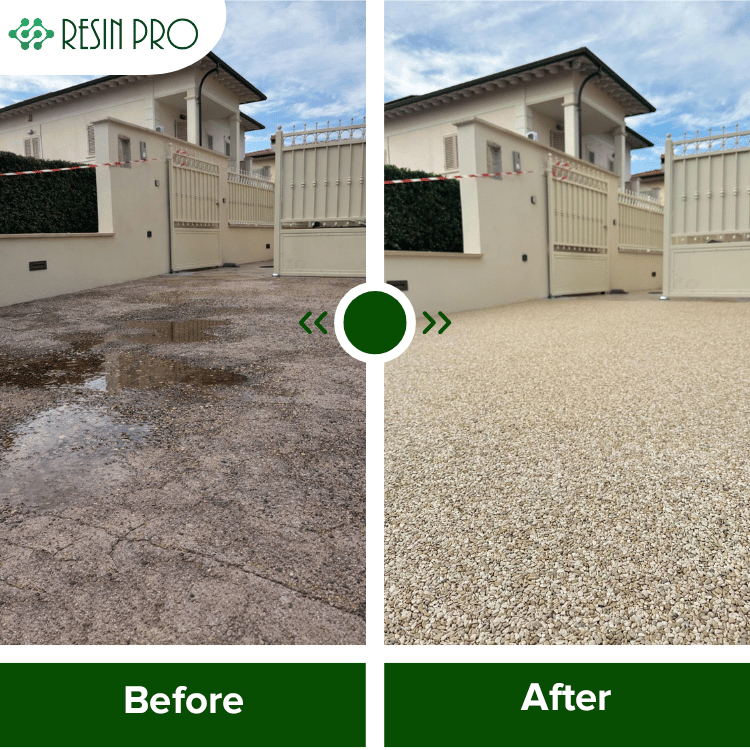
Applying floor resin is a transformative technique to achieve seamless, durable, and visually striking surfaces indoors or outdoors. Whether you are refreshing a tired concrete area, modernising a garage, or installing a decorative permeable path, the right preparation and method make all the difference. This guide is designed for anyone looking to create professional-grade resin floors, from DIY homeowners to experienced installers, bringing a resilient and attractive finish to your floor projects.
What You’ll Need
- “Epoxyprimer” – Universal Water-Based Two-Component Epoxy Floor Primer: For optimal adhesion and long-term durability.
- “Trasparente” – Epoxy Binder for Coloured Pebbles and Grits: To bond coloured or dark aggregates and create attractive resin finishes.
- “Flowstone” – Complete Permeable Floor Kit with Pebbles and Resin: For creating robust, decorative, and draining outdoor surfaces.
- Resin & Paint Application Rollers – Short-Pile, Large, and Sponge Types: For even and controlled application of primers and resins.
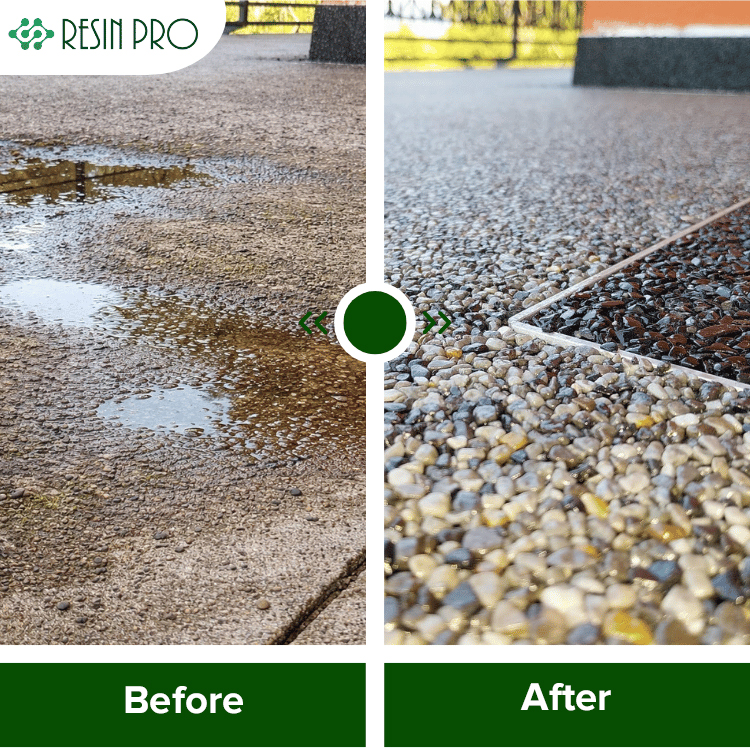
Essential Tools for Flawless Resin Application
Using the right tools makes a marked difference in achieving an even, professional finish on resin floors. Short-pile rollers are ideal for edges, while larger rollers or trowels offer speed and consistency across wide areas. Always select tools suited for resin to avoid wastage and imperfections.
Step 1: Prepare the Surface Thoroughly
Wear suitable protective equipment before beginning any floor resin work. Your results will only be as good as your preparation—take time to assess and clean your substrate. Sweep and vacuum to remove dust, dirt, oil, wax or loose material. For best performance, ensure surfaces are dry, flat, and structurally sound. Repair any cracks or damage before proceeding.
On porous concrete or screed, consider lightly sanding or scouring to increase adhesion. Tiles should be degreased and abraded with a sander. Diligent preparation prevents delamination and uneven finishes.
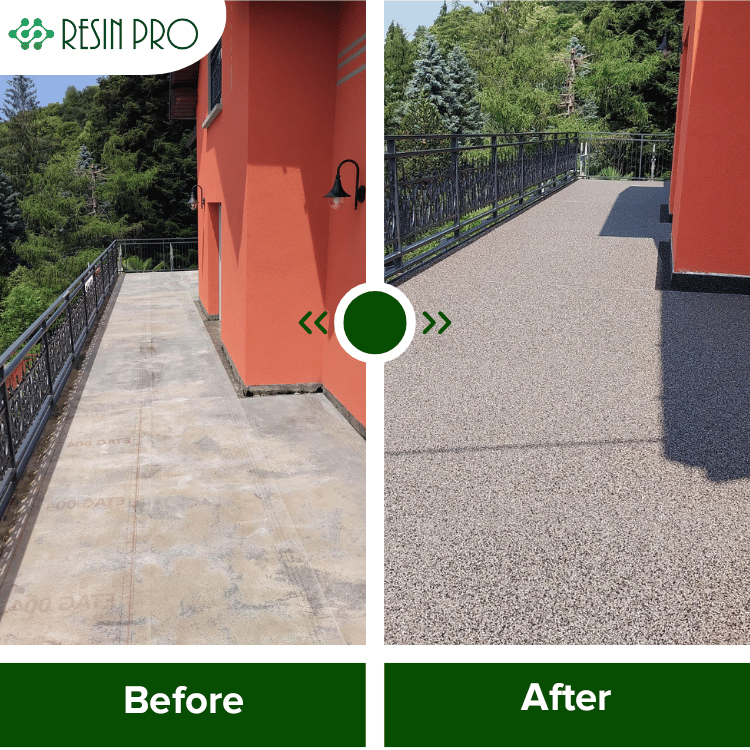
"Flowstone" – Complete Permeable Floor Kit with Pebbles and Resin
Durable, draining pebble and resin floor kit suitable for driveways, paths and patios in the UK climate.
Step 2: Apply the Primer for a Secure Bond
Ensure surfaces are clean, dry, and free of dust before priming. For concrete, screed, tile, or timber, use an epoxy-based primer such as “Epoxyprimer” – Universal Water-Based Two-Component Epoxy Floor Primer. Mix according to instructions and apply the primer evenly using a suitable roller or brush.
Allow the primer to cure fully—typically 24–48 hours—before resin application. Proper priming ensures the resin adheres uniformly and increases the lifespan of the finished floor.
Step 3: Mix and Apply the Resin System
Accurately mix your chosen resin with any required hardener. For decorative pebble surfaces, blend aggregates thoroughly with the resin binder, as supplied in “Trasparente” – Epoxy Binder for Coloured Pebbles and Grits or complete kits like “Flowstone” – Complete Permeable Floor Kit with Pebbles and Resin. Mix resin thoroughly for a uniform finish.
Work in small sections to ensure uniformity, pouring and spreading the resin or resin/pebble mixture with a trowel or use Resin & Paint Application Rollers – Short-Pile, Large, and Sponge Types for smooth coverage. Press aggregates gently for a level surface. Avoid overworking, as this can increase bubbles or trap air.
"Flowstone" – Complete Permeable Floor Kit with Pebbles and Resin
Durable, draining pebble and resin floor kit suitable for driveways, paths and patios in the UK climate.

Step 4: Allow Proper Curing and Finishing Touches
After application, protect the surface from dust or moisture. Allow proper cure time before use, as recommended by the product—usually 24 to 48 hours for foot traffic and up to 7 days for heavy use. Avoid premature contact, as it may damage the finish.
If applying outdoors, check the weather forecast: avoid rain or extreme temperature changes during curing. Once cured, your resin floor is ready for service. Optional surface reinforcement coats can be added for enhanced durability and gloss.
Tips, Common Mistakes, and Troubleshooting
Always follow mixing ratios precisely—incorrect proportions lead to weak or tacky surfaces. Maintain ambient temperatures between 10°C and 30°C for optimal curing. Address bubbles by rolling gently after application, and avoid introducing water or humidity during mixing or setting stages.
If you notice uneven coverage, work in manageable sections and select the right roller or trowel for your task. Never skip the priming stage, especially on porous substrates—this remains a frequent cause of poor adhesion and blistering. If in doubt, test on a small area first to ensure compatibility.

"Epoxyprimer" – Universal Water-Based Two-Component Epoxy Floor Primer
A water-based epoxy floor primer designed for improved adhesion prior to epoxy resin flooring on various substrates.
Surface Compatibility and Long-Term Care
Choose resin solutions tailored to your substrate and intended use. Regular maintenance, such as gentle cleaning and prompt repair of chips, extends the life and beauty of resin floors. Outdoor and permeable finishes require particular attention to drainage and environmental conditions for lasting performance.
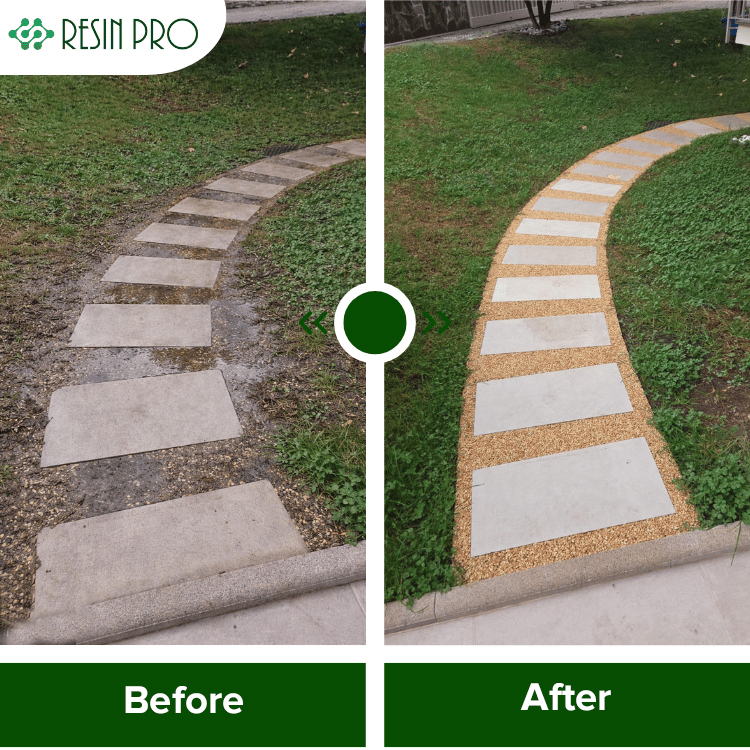
- "Flowstone" – Complete Permeable Floor Kit with Pebbles and ResinPrice range: £42.85 through £3,389.85The Flowstone kit is a permeable pebble and resin system designed to upgrade outdoor spaces with durable, draining floors suited for UK conditions.
- "Epoxyprimer" – Universal Water-Based Two-Component Epoxy Floor PrimerPrice range: £148.84 through £272.45"Epoxyprimer" is a water-based two-component epoxy floor primer designed for use on various surfaces in floor resin applications.
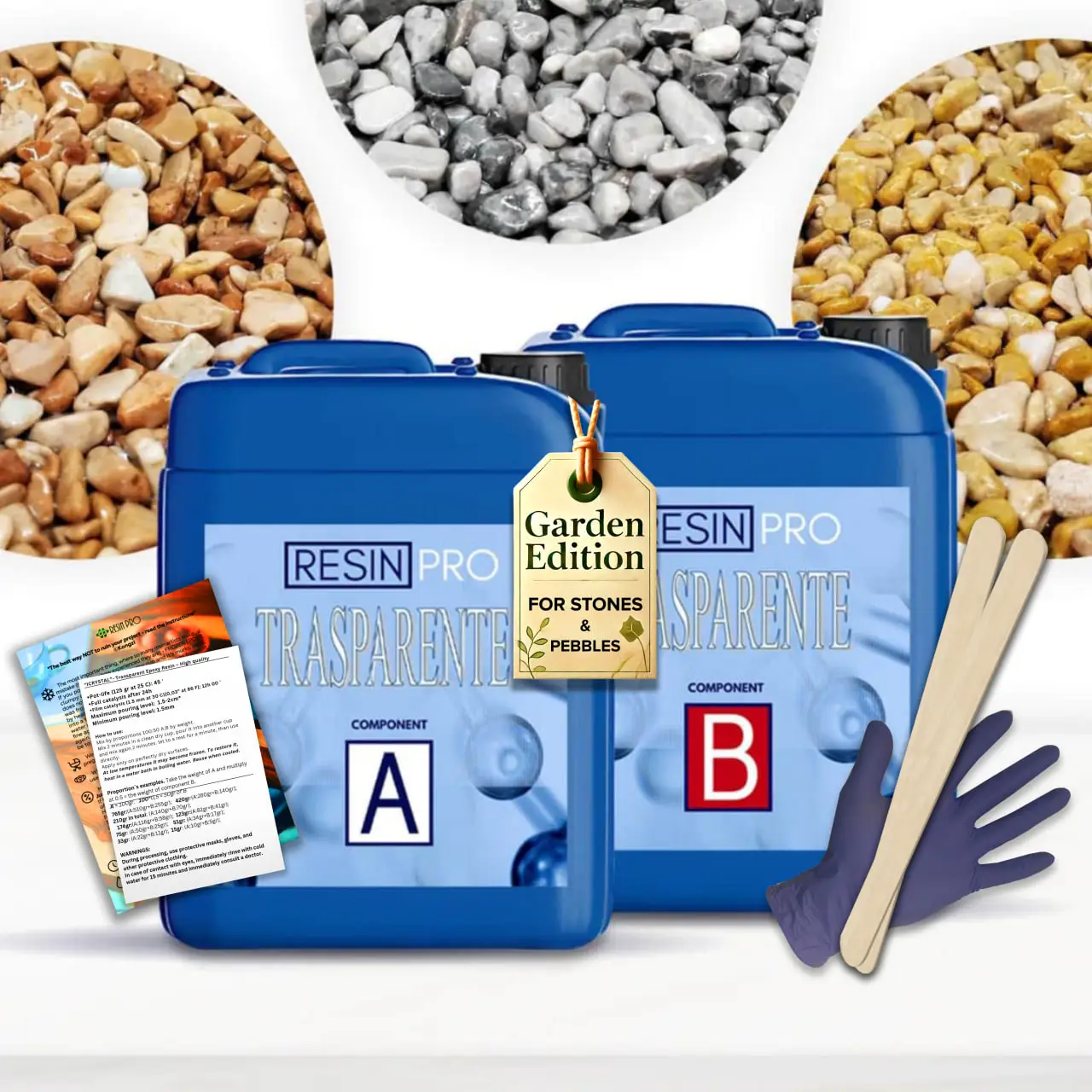 "Trasparente" – Epoxy Binder for Coloured Pebbles and GritsPrice range: £31.85 through £948.85"Trasparente" is a transparent epoxy binder for coloured pebbles and grits, suitable for creating durable, UV-resistant decorative floors.
 Resin & Paint Application Rollers – Short-Pile, Large, and Sponge TypesPrice range: £3.45 through £4.85Rollers designed for epoxy resin applications offer precise and uniform coverage, suitable for resin surfaces in a floor resin application context.
Frequently Asked Questions
What surfaces can I apply floor resin to?
You can apply floor resin to concrete, screeds, ceramic tiles, or timber, provided the base is stable, clean, and properly primed. Preparing and priming the substrate is critical for adhesion and durability on all floors.
How do I prevent bubbles or imperfections in the resin?
Mix and apply resin slowly to reduce trapped air. Roll or trowel gently and avoid overworking. Make sure the floor temperature is stable and protect the area from wind or draughts during application.
When can I walk or place furniture on a new resin floor?
Wait until the resin is fully cured, which normally takes 24 to 48 hours for light use. For heavy weights or vehicle traffic, allow at least 7 days. Avoid dragging or stressing the floor while curing.
Can I use resin flooring outdoors?
Yes, but ensure you use systems suited for outdoor use and follow curing guidelines. Permeable kits like "Flowstone" ensure drainage and durability for UK outdoor conditions. Always check the weather to avoid issues during curing.
What safety precautions should I take when applying floor resin?
Wear gloves, eye protection, and a mask in poorly ventilated areas. Avoid skin contact and be mindful of slips while working with liquid resin. Keep children and pets away from work zones until the floor is fully set.
How do I clean up tools and spills after working?
Clean rollers and mixing tools immediately with solvent or warm soapy water before the resin cures. Follow product guidelines to prevent blockages or contamination for future use.
Do I need professional help or can I apply resin myself?
Many resin systems, especially with kits and guided instructions, are suitable for DIY application. Careful planning, surface prep, and following curing times are key for professional outcomes.