 Free shipping on orders over £29,85
  Shipping Tracking!


 Google
 Facebook
How to install resin flooring?
A practical guide to achieving durable, attractive resin floors

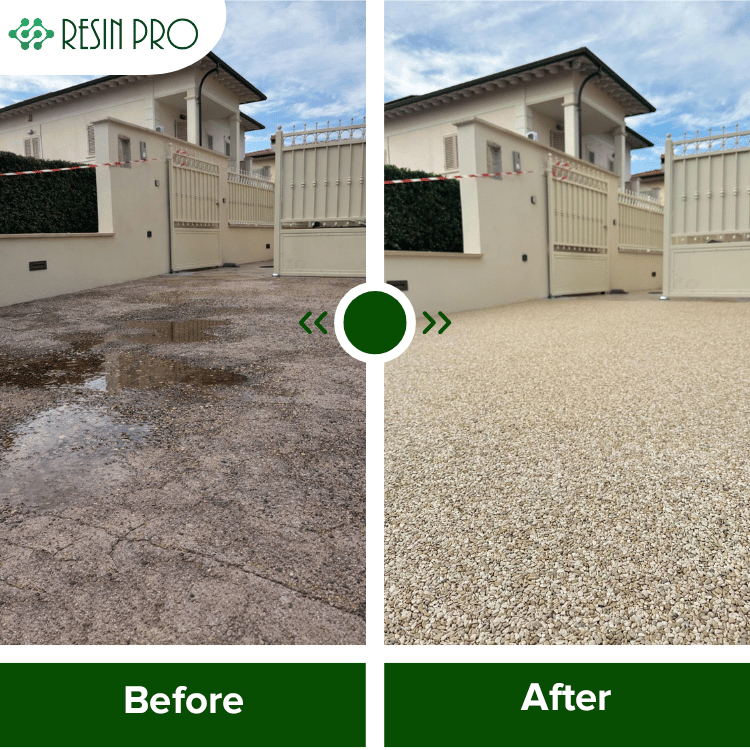
Installing resin flooring can transform your driveway, pathway, or patio into a beautiful and robust surface. This guide offers clear, actionable steps for both new and renovation projects, helping DIYers and professionals ensure a high-quality finish. By following these instructions, you can boost floor durability, safety, and weather resistance outdoors.
What You’ll Need
- “Epoxyprimer” – Universal Water-Based Two-Component Epoxy Floor Primer: Suitable for concrete, tiles, screeds, and timber surfaces.
- “Trasparente” – Epoxy Binder for Coloured Pebbles and Grits: For coloured or dark aggregates in permeable surfaces.
- “Polirock” – Polyurethane Binder for White Stones, 2kg Two-Component Kit: For white decorative stones and outdoor projects.
- “Flowstone” – Complete Permeable Floor Kit with Pebbles and Resin: All-in-one solution for most outdoor resin flooring jobs.
- Clean mixing buckets and trowels
- Protective gloves and goggles
- Roller or brush for primer application
- Aggregate (pebbles, decorative stones, or grits)
- Tape and drop cloths for masking edges
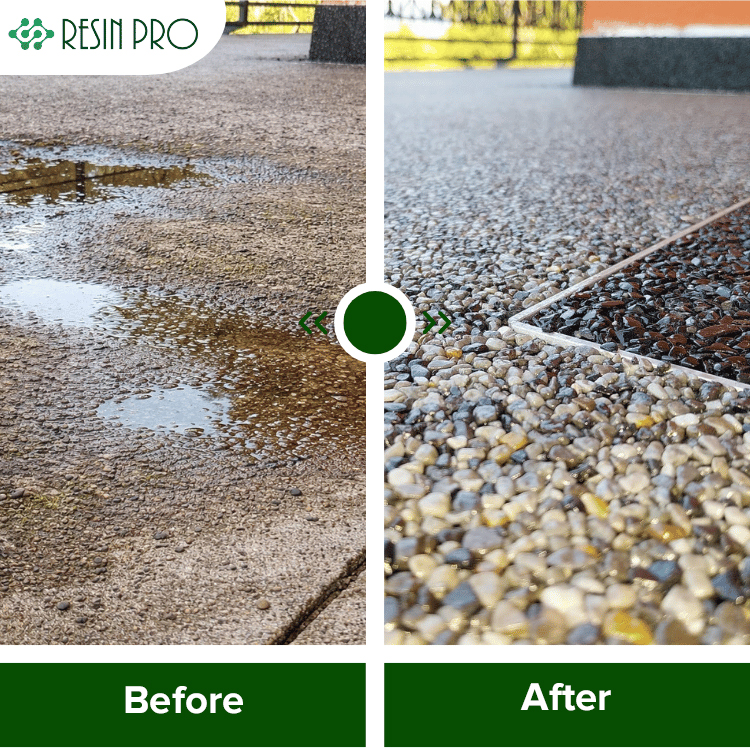
Essential Tools and Materials Explained
For a strong and lasting resin floor, choosing the right products for each stage is vital. Use a water-based epoxy primer for a wide range of substrates such as concrete, tile, or timber. Select a transparent epoxy or polyurethane binder suited to your chosen aggregate colour and finish. Protective gloves, dust masks, and quality mixing tools add both safety and efficiency to your project.
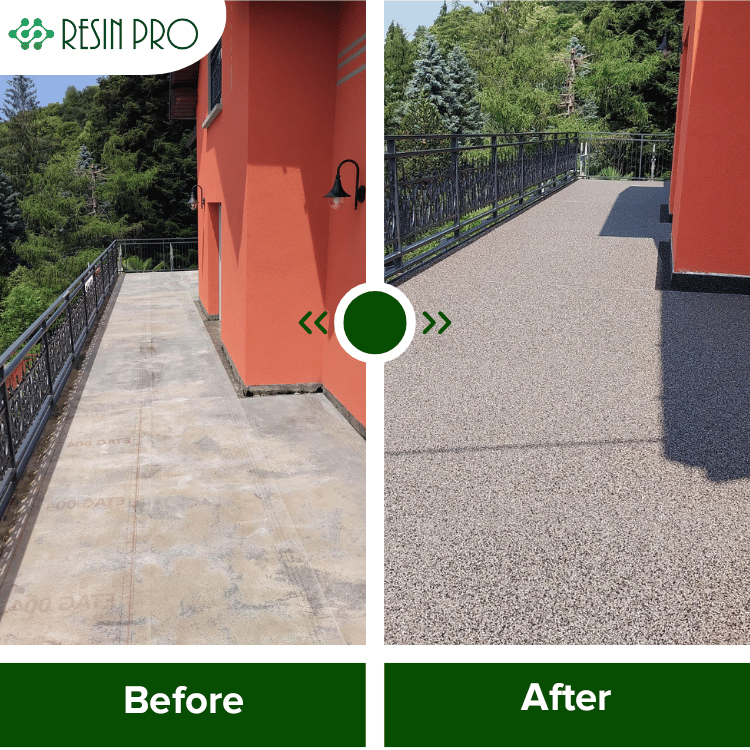
Step 1: Prepare the Surface
Begin by ensuring your substrate is structurally sound, clean, and dry. Remove any dust, grease, or loose material from the area where the resin floor will be laid. It’s important to repair cracks or uneven patches, as these can affect adhesion and lead to surface failures over time. Sweep thoroughly and, if necessary, wash and let the surface dry completely before continuing.
Surface preparation is crucial for a long-lasting resin floor. Neglecting this step can cause even the best resin mixes to fail prematurely.
Step 2: Prime for Perfect Adhesion
Apply a suitable primer to your cleaned and dust-free surface. For concrete, screed, or tiles, an epoxy-based primer ensures excellent bonding between the base and resin top layer. Use a roller or brush to spread the primer evenly, following the grain of timber or the tile pattern if present.
For most substrates, “Epoxyprimer” – Universal Water-Based Two-Component Epoxy Floor Primer offers reliable adhesion and prepares the surface for the following resin layer. Allow the primer to cure fully—usually 24 to 48 hours—before proceeding.
Always choose the correct primer for your substrate to avoid delamination or weak adhesion.
Step 3: Mix and Apply the Resin-Aggregate
Once the primer has fully cured, mix your chosen resin binder thoroughly with the selected aggregate. Coloured or dark stones benefit from a UV-resistant epoxy, while white stones perform best with a non-yellowing polyurethane binder. Add the binder to the aggregate in a clean bucket and stir until each stone is equally coated, avoiding dry patches or clumps.
For coloured or darker aggregates, consider “Trasparente” – Epoxy Binder for Coloured Pebbles and Grits. Where pure white stones are used, “Polirock” – Polyurethane Binder for White Stones, 2kg Two-Component Kit helps prevent yellowing while maintaining clarity. If you want a bundled approach for most UK outdoor applications, the “Flowstone” – Complete Permeable Floor Kit with Pebbles and Resin provides matched materials and detailed guidance.
Trowel out the resin-coated stones to your desired thickness, usually around 15–20 mm, ensuring the surface is even and compacted lightly for strength. Work in sections to avoid resin curing before you can shape it properly. Pay close attention to corners and edges for a uniform finish. Allow to set according to the binder instructions, typically at least 10–24 hours before light foot traffic.
Mix aggregates and resin thoroughly for best strength and finish. Insufficient mixing can cause weak spots and uneven colour.

Step 4: Allow Full Cure and Clean Up
After your resin flooring is installed, allow it to cure fully before placing heavy loads or driving vehicles over it. Curing time may vary with resin type, ambient temperature, and humidity—refer to product instructions for exact durations. Remove masking tapes and covers only once the resin is no longer tacky, and clean your tools promptly using appropriate cleaning agents.
Inspect the finished floor for any missed spots or potential repairs before regular use. Ongoing maintenance is simple: sweep regularly and rinse as needed to prevent debris build-up and preserve the non-slip, permeable qualities of the surface.

Tips and Common Mistakes in Resin Flooring Installation
Resin flooring offers versatility, durability, and style, but installation must be performed with care. Check weather conditions before and during installation, as excessive humidity or temperature extremes can affect curing and bonding. Avoid working in rainy, frosty, or very hot conditions. Always follow the resin and aggregate mixing ratios provided in product instructions—using too little binder may result in loose, unstable flooring.
Use all safety equipment and protect surrounding areas from spills. If a patch remains tacky after curing, it may indicate insufficient mixing or adverse conditions—remove and recoat as necessary. For best results, stick to trusted products and guides tailored for the UK climate.
Installation Insights: Project Planning
Plan your project timeline carefully**—curing periods for primers and resin binders can vary, so allow for each layer to set fully before proceeding. Keep weather forecasts in mind, as humidity and temperature have a significant impact on success. Organising your mixing and placement tools beforehand can save precious time when working with reactive resin systems.
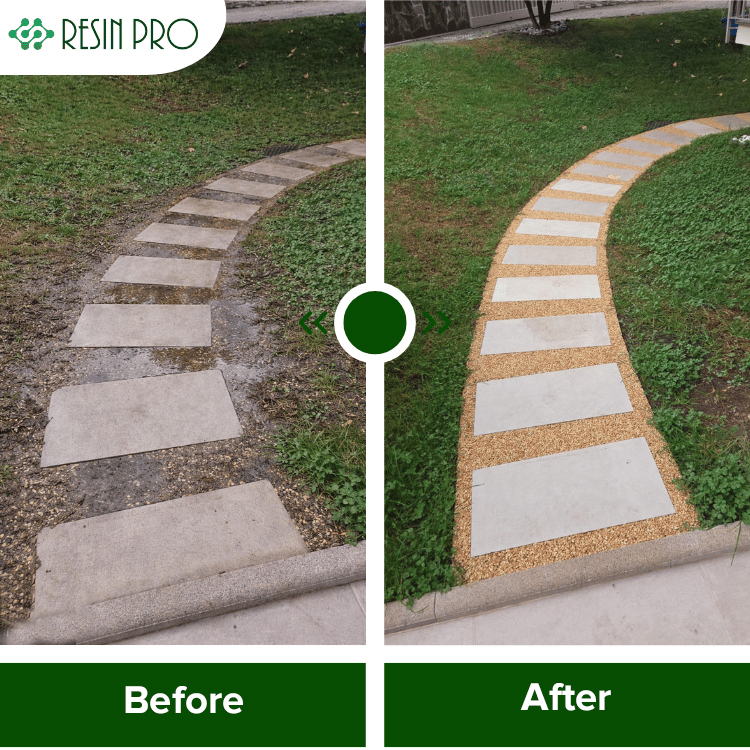
- "Flowstone" – Complete Permeable Floor Kit with Pebbles and ResinPrice range: £42.85 through £3,389.85"Flowstone" offers a durable, permeable pebble and resin system with guidance on resin selection, suited for outdoor U.K. surfaces.
- "Trasparente" – Epoxy Binder for Coloured Pebbles and GritsPrice range: £31.85 through £948.85"Trasparente" is a transparent epoxy binder designed for coloured pebbles and grits, providing a clear, UV-resistant finish suitable for resin…
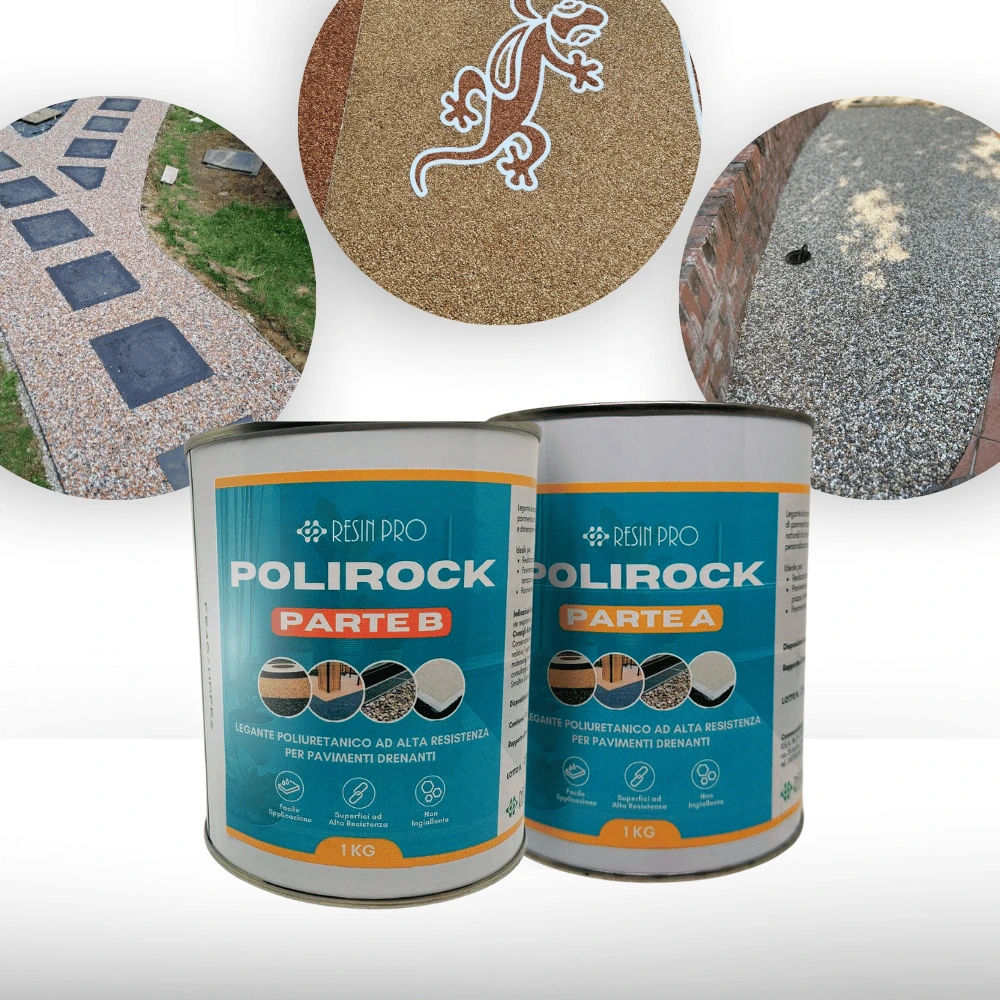 "Polirock" – Polyurethane Binder for White Stones, 2kg Two-Component Kit£58.85Polirock is a two-component polyurethane binder for decorative, durable white stone surfaces suitable for outdoors.
 "Epoxyprimer" – Universal Water-Based Two-Component Epoxy Floor PrimerPrice range: £148.84 through £272.45"Epoxyprimer" is a water-based epoxy floor primer designed for reliable adhesion on various substrates in resin flooring projects.
Frequently Asked Questions
Can resin flooring be installed on concrete or tile?
Yes, resin flooring can be installed on concrete, screed, timber, or ceramic tiles when the correct primer is used.
How long does resin flooring take to cure?
Curing time depends on resin type and temperature but is usually between 10 and 48 hours for foot traffic. Full use may require longer.
Which resin binder should I use for my chosen aggregates?
Transparent epoxy binders are best for coloured stones, while polyurethane binders suit white aggregates and prevent yellowing.
Is resin flooring suitable for high-traffic areas?
Yes, when the proper binder and mixing ratios are used, resin flooring is suitable for both pedestrian and light vehicle zones.
What are common mistakes to avoid in resin flooring installation?
Skipping proper surface preparation, incorrect resin-aggregate ratios, and working in wet or very hot weather can all cause floor failures.
Does resin flooring require special maintenance?
Regular sweeping and occasional rinsing are all that’s needed. Avoid strong solvents or abrasive cleaners.