 Free shipping on orders over £29,85
  Shipping Tracking!


 Google
 Facebook
how to make a mould in epoxy resin
Step-by-step guide for creating detailed and reusable moulds

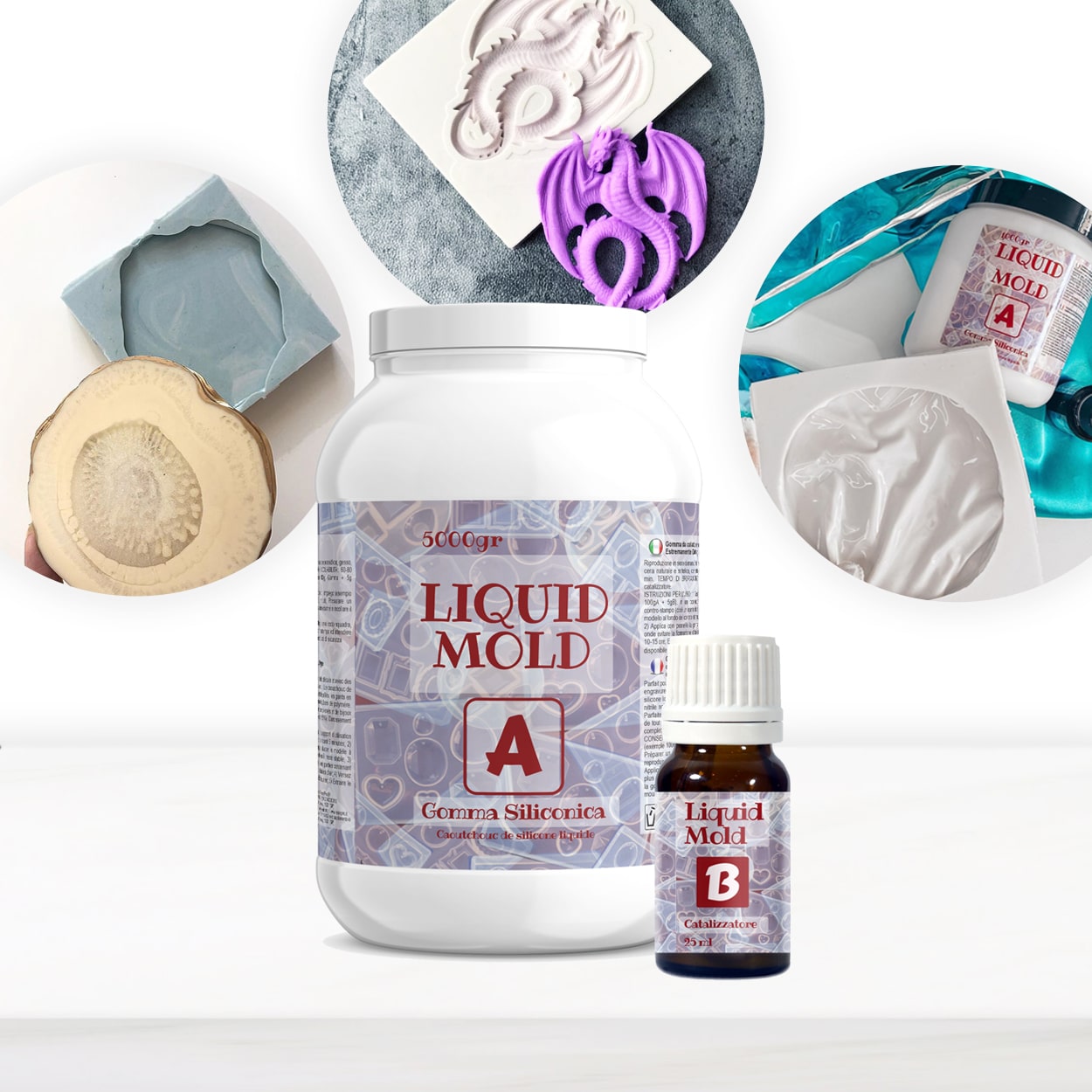
Making a high-quality mould is essential to successful resin casting projects, whether you’re crafting jewellery, furniture inlays or decorative items. This guide explains how to create a reliable, detailed mould for epoxy resin, covering each important stage—from preparing the master model to removing your finished mould. Ideal for beginners and enthusiasts looking for precision and repeatable results.
What You’ll Need
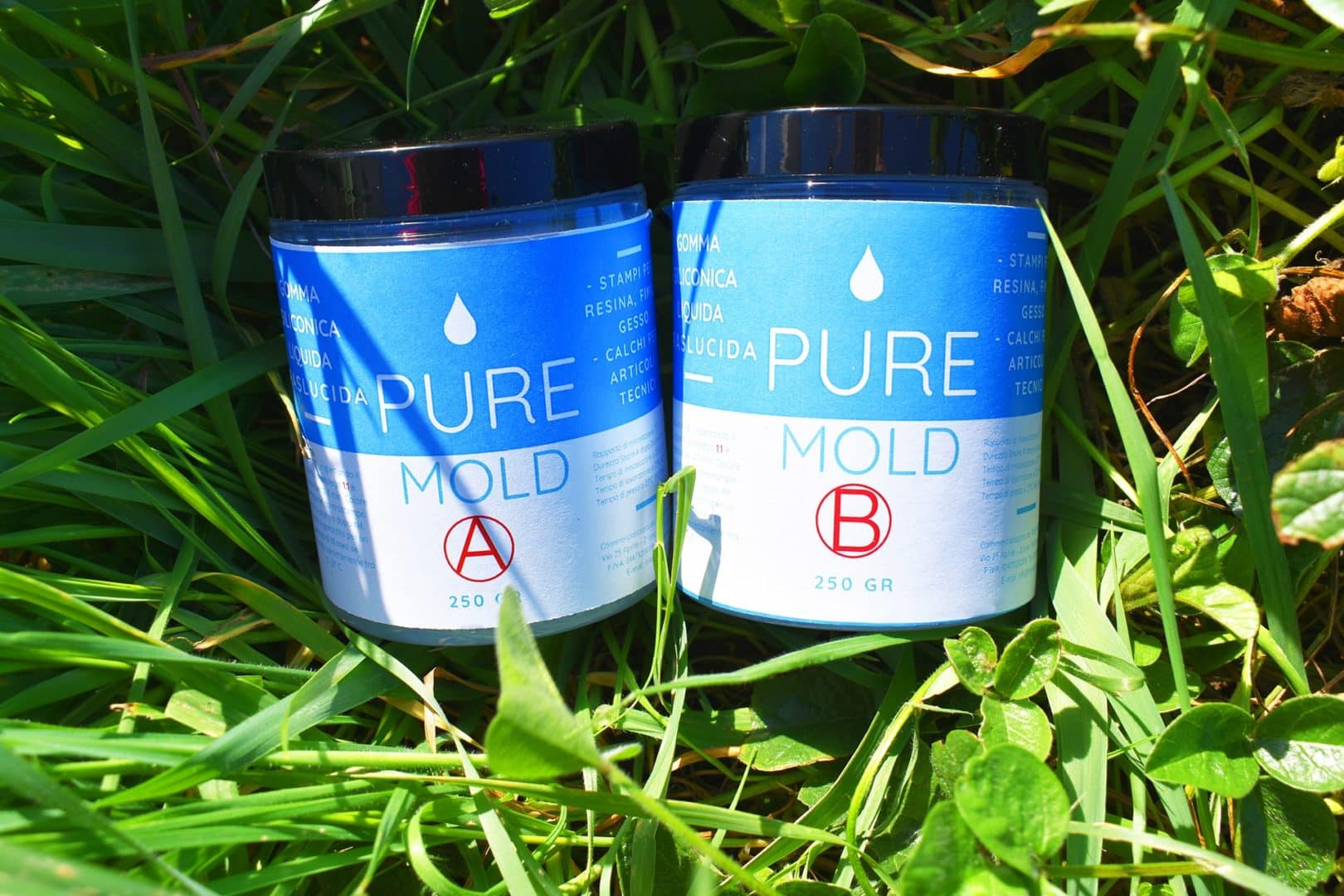
- “Pure Mould” – Translucent Liquid Silicone Rubber for Mould Making: A fast-curing, translucent platinum silicone rubber suitable for making detailed and reusable moulds.
- “Liquid Mould” – Casting Liquid Silicone Rubber, 5-40 Shores, Bi-Component A+B: Ideal for reproducing objects with delicate details or complex undercuts.
- “I–Gum” – Non-Toxic Silicone Putty for Mould Making: A user-friendly, hand-mixable silicone putty for moulding smaller items or quick prototypes.
- “River-Table” – Complete Kit for Creating Your First Epoxy Resin Table: Includes essential supplies and step-by-step instructions for larger resin projects.
- Mixing containers and spatula
- Protective gloves (for some silicone types)
- A master model (the original piece you want to reproduce)
- Mould box or containment form (plastic, wood or cardboard)
- Release agent (where appropriate)
- Scales for precise weighing
Choosing Your Silicone and Project Setup
Pick your silicone based on project complexity. Liquid rubbers are best for fine details, while putty types let you work by hand for smaller objects. Clear workspace, gather the right tools, and choose a product designed for your object’s size and shape.
Step 1: Prepare Your Master Model and Workspace
Begin by cleaning your master model thoroughly to remove dust, oils and fingerprints. Any surface imperfections on your original will transfer to the final mould, so take care at this stage. Choose a mould box that fits your master closely but leaves enough space around all sides, as too little gap can make the mould fragile. Secure the model inside the box using adhesive or apply a small dot of hot glue beneath it.
Some materials, such as unsealed wood or porous items, may benefit from a thin layer of release agent to prevent sticking. For non-porous objects, the inherent non-stick nature of silicone is typically sufficient. Ensure your workspace is well-ventilated and at room temperature for best results.
Step 2: Mix and Pour the Silicone Rubber
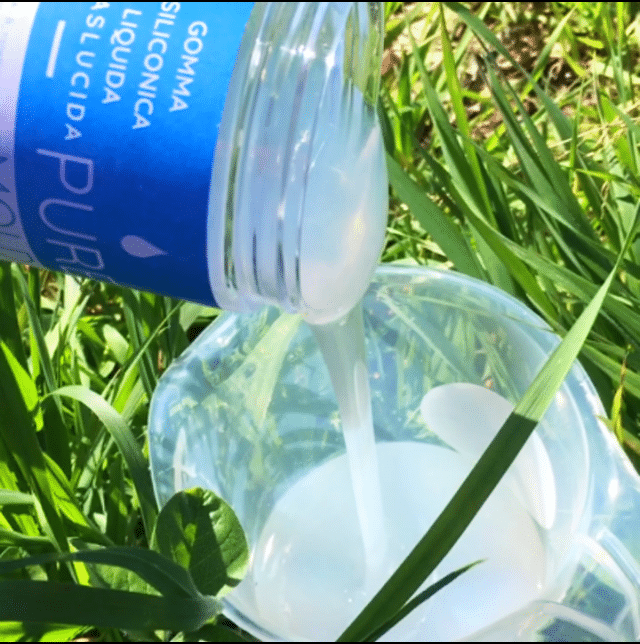
Carefully follow the manufacturer’s instructions for your chosen silicone rubber. For instance, products such as “Pure Mould” – Translucent Liquid Silicone Rubber for Mould Making feature a simple 1:1 mix ratio, ensuring easy and accurate blending. Use digital scales to weigh both components for precision. Stir gently with a spatula, mixing slowly to avoid trapping air bubbles that could mar the mould’s surface.
Once mixed, steadily pour the silicone into one corner of the mould box, allowing it to flow over and around the master model naturally. This method helps to further reduce bubble formation. If working with highly detailed or undercut models, you may gently tap or vibrate the box to help any trapped air escape.
Step 3: Allow the Mould to Cure Fully
Leave the poured silicone to cure according to the product guidelines. Silicone rubbers can vary; for example, “I–Gum” – Non-Toxic Silicone Putty for Mould Making delivers rapid curing in as little as 10–20 minutes (depending on the type), while some liquid rubbers may require several hours. Warm ambient temperatures can support even curing but avoid excessive heat or drafts. Resist the urge to demould early, as this can deform or damage the final product.
Step 4: Demould and Inspect Your Silicone Mould
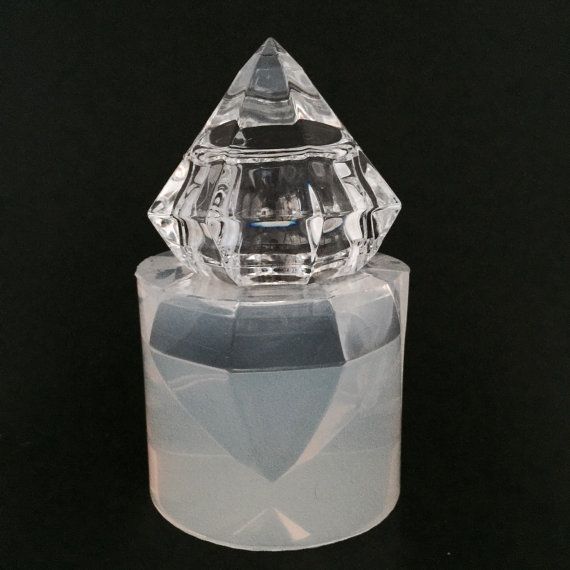
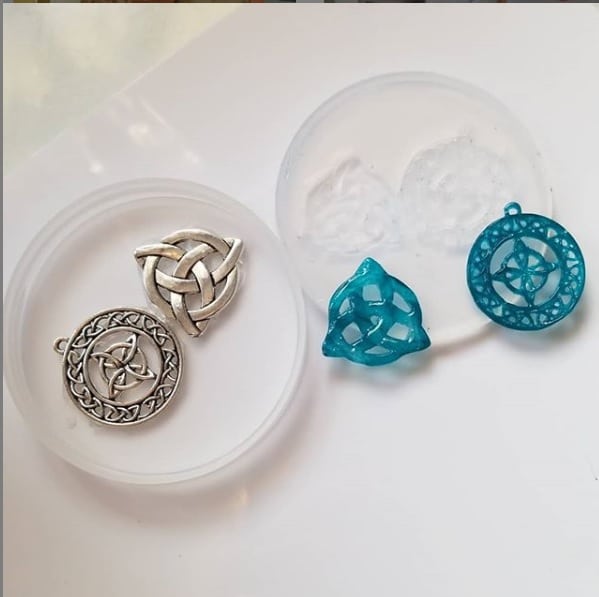
Once the recommended curing time has elapsed, gently disassemble the mould box and remove your master model. Flexible silicones release easily from most surfaces, but proceed slowly around complex shapes or fine details to avoid tearing thin sections. Examine the resulting cavity for trapped bubbles or surface defects. If any issues are found, they can sometimes be corrected with a craft knife or by repeating the process for more intricate details.
Tips and Common Mistakes for Epoxy Resin Mould Making
- Always measure silicone components accurately to guarantee a consistent cure.
- Ensure the model is dust-free; even minor particles can leave marks in your resin cast.
- Allow full curing time before demoulding for a robust and reusable mould.
- Work at room temperature to optimise the flow and cure of silicone materials.
- Avoid rushing the curing process as impatience can lead to distorted or weak results.
- Plan your mould box assembly—leaks during silicone pour are a common beginner mistake, so always check seals before mixing.
- Practice with smaller, simple shapes before attempting complex or multi-part moulds.
Finishing Touches and Reuse
Clean your silicone mould after each use with mild soap and water to prolong its life. Store in a cool, dry place. Well-maintained moulds ensure reliable resin results for future projects.
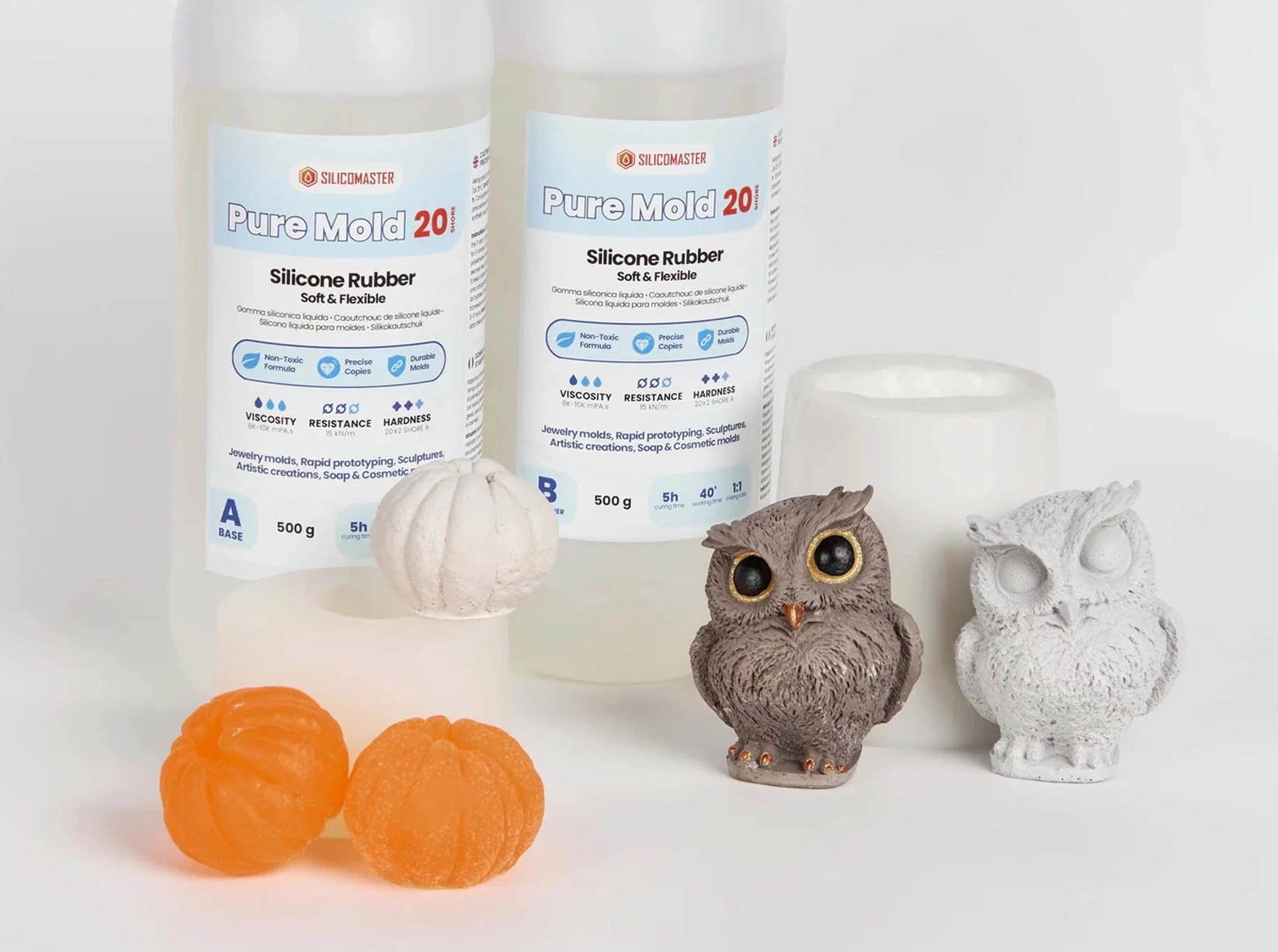
- "Pure Mould" – Translucent Liquid Silicone Rubber for Mould MakingPrice range: £22.85 through £158.85"Pure Mould" is a translucent liquid silicone rubber suitable for mould making with epoxy resins, plaster, and cement.
- "Liquid Mould" – Casting Liquid Silicone Rubber, 5-40 Shores, Bi-Component A+BPrice range: £13.45 through £368.85"Liquid Mould" casting liquid silicone rubber suitable for making highly detailed moulds of small objects and models.
 "I–Gum" – Non-Toxic Silicone Putty for Mould MakingPrice range: £22.85 through £99.85"I–Gum" is a non-toxic, two-component silicone putty designed for mould making with epoxy resin and other materials.
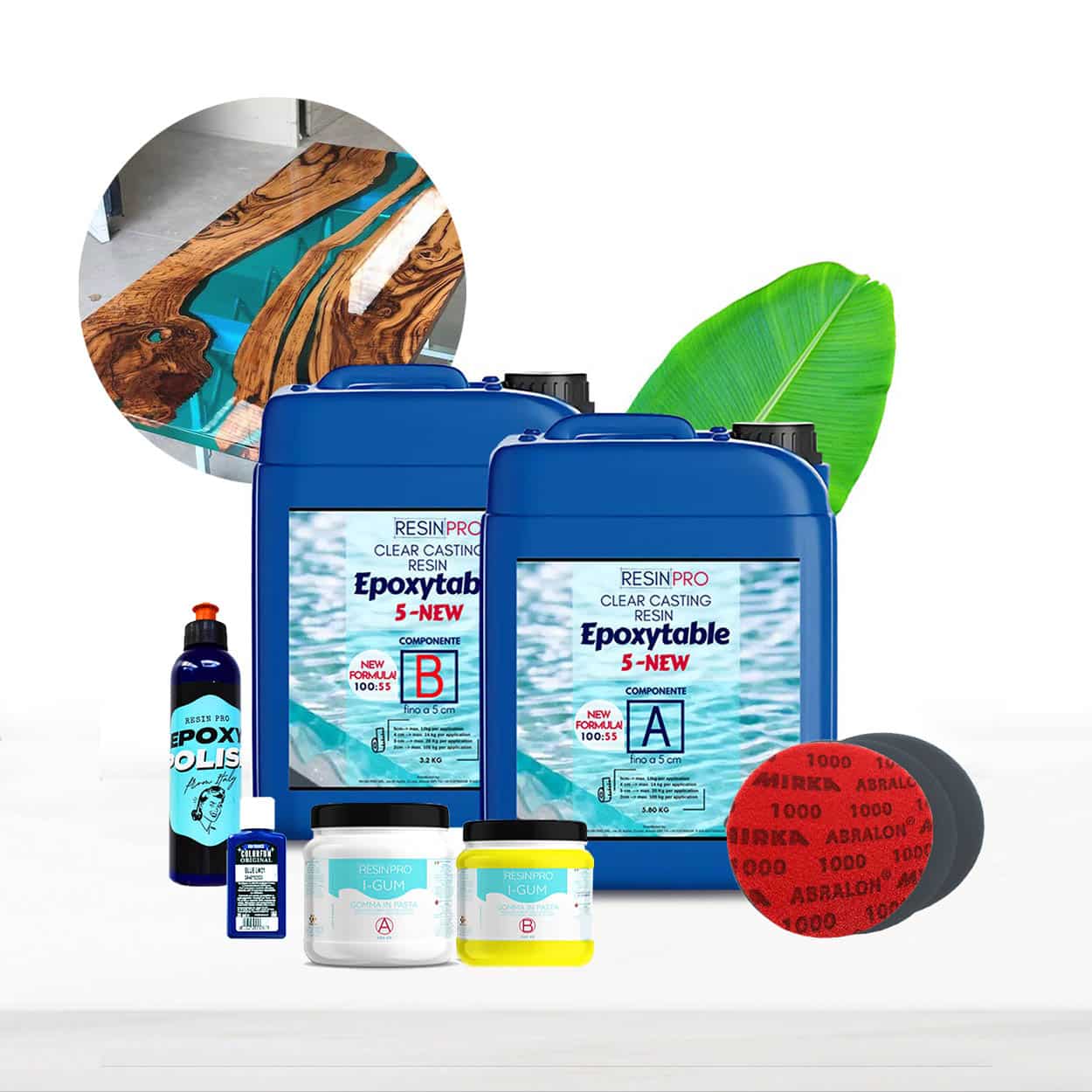 "River-Table" – Complete Kit for Creating Your First Epoxy Resin TablePrice range: £188.85 through £444.85"River-Table" kit contains resin, silicone sealant, polishing kit and pigments with instructions for epoxy projects.
Frequently Asked Questions
What is the best silicone for epoxy resin mould making?
Choose based on your project's detail level and size. Liquid rubbers offer fine detail, while putties suit smaller items.
Do I need a release agent when making silicone moulds for resin?
Silicone rubbers usually release easily from most models, but use a release agent for porous or unsealed surfaces.
How long should my silicone mould cure before use?
Curing times vary by product—from 10 minutes up to 12 hours. Always follow the specific instructions provided.
How do I avoid bubbles in my silicone mould?
Pour silicone slowly into one corner of your mould box and mix gently to minimise trapped air.
Can I reuse my silicone moulds for epoxy resin?
Yes, most silicone moulds are reusable multiple times if cleaned and stored correctly after each cast.
What is the best way to clean silicone moulds after casting?
Wash with mild soap and water, ensuring all resin debris is removed. Allow to dry fully before storage.