 Free shipping on orders over £29,85
  Shipping Tracking!


 Google
 Facebook
how to slope a resin floor
Achieve a professional finish on resin floors by creating the right slope

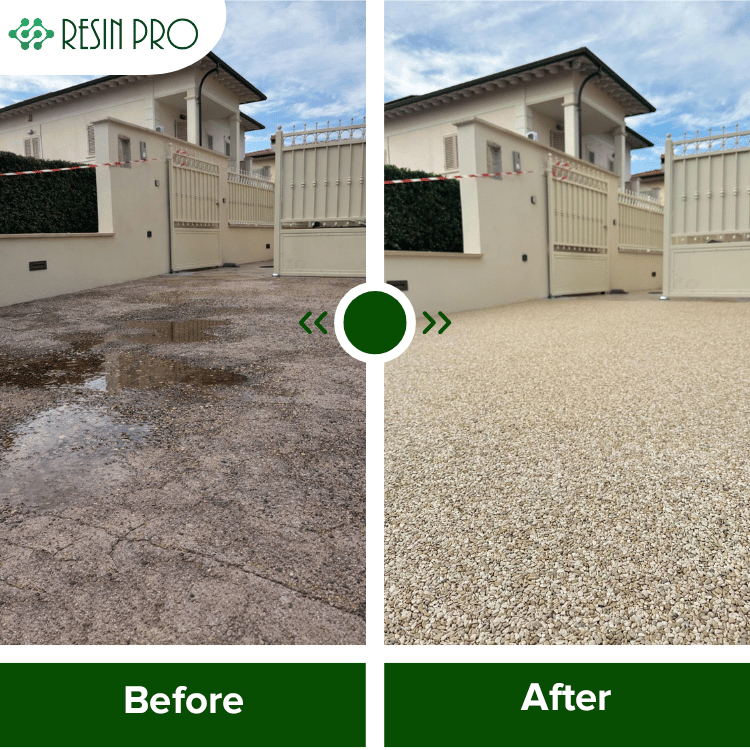
Sloping a resin floor is essential for external surfaces where water needs to drain efficiently, such as patios, driveways, or pathways. A well-executed slope not only directs water away, preventing puddles and long-term damage, but also ensures your resin floor remains durable and safe. This guide walks you through planning, preparing, and applying a sloped resin floor surface so your outdoor area maintains both function and finish in the UK climate.
What You’ll Need
- “Flowstone” – Complete Permeable Floor Kit with Pebbles and Resin – for a ready-to-use draining floor solution
- “Epoxyprimer” – Universal Water-Based Two-Component Epoxy Floor Primer – to prepare and seal the substrate
- “Polirock” – Polyurethane Binder for White Stones, 2kg Two-Component Kit – for white or light stone applications where a non-yellowing finish is required
- Washed Pebbles for Permeable Floors 25kg – Outdoor Resin-Bound Surfaces – as your aggregate base
- Spirit level or laser level
- Measuring tape and stakes/string
- Straight edge or screed tool
- Protective gloves and mask
- Mixing bucket and trowel
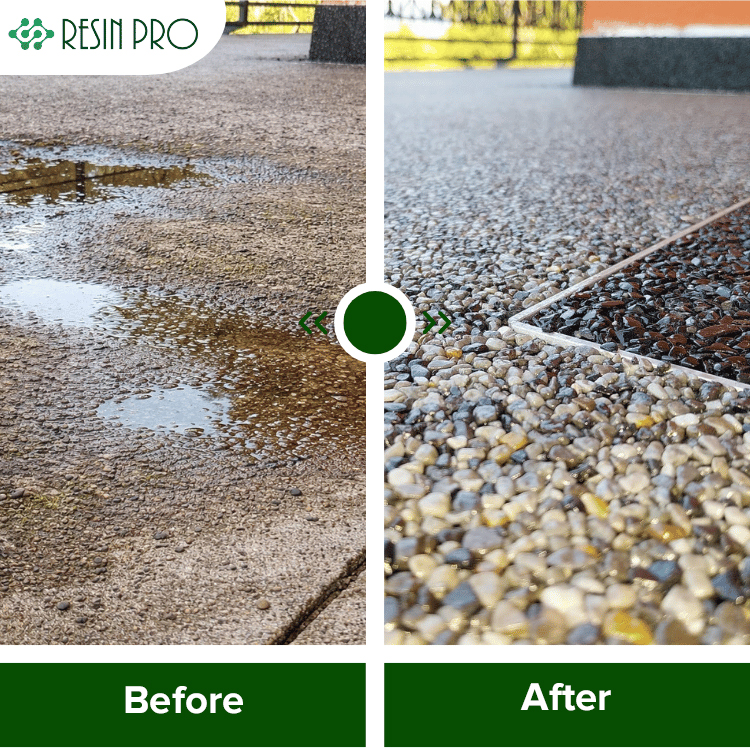
Visualising Slope and Drainage in Outdoor Resin Floors
Planning a sloped resin floor begins with clear visual references and proper measurement tools. Setting string lines, using a spirit level, and physically checking the gradient across your space ensures accuracy. Adequate slope guides water efficiently off the surface and protects your investment in long-term durability.
Step 1: Plan and Mark Out the Desired Slope
First, assess the area where you wish to install the resin floor. Efficient drainage relies on a minimum slope of 1.5–2% (i.e., a 1.5–2 cm drop per 1 metre). Mark the highest and lowest points of your surface using stakes and string, confirming the fall with a spirit or laser level. This visual guide will serve as your reference line throughout installation.
Double-check that the planned direction of runoff leads water away from buildings and does not cause pooling elsewhere. If the sub-base is concrete, ensure it is sound and stable, as uneven bases can complicate achieving a consistent slope.
Step 2: Prepare the Substrate
With your lines marked, clean the existing substrate thoroughly, removing any dust, grease, loose material, or previous coatings. This is particularly vital for outdoor resin floor installations. Repair any major cracks, holes or imperfections in the base—these can compromise the finished floor and introduce points of weakness on a slope.
Once the surface is clean and dry, apply a primer to ensure robust adhesion with the resin system. For diverse surfaces such as concrete, timber or tiles, “Epoxyprimer” – Universal Water-Based Two-Component Epoxy Floor Primer is recommended. Use a brush or roller for an even coat, and allow it to cure as instructed—generally 24–48 hours.
Step 3: Create or Correct the Base Slope
If your substrate already has the correct fall, you may proceed. If not, use a levelling compound suitable for outdoor use to build up low spots or fill high points to match your string line. Allow these compounds to cure before the resin stage. Always check levels at every stage, and remember to keep the fall continuous and as smooth as possible.
Taking time in this step prevents costly re-work and ensures the resin system will follow the desired contours.

Step 4: Mix and Apply the Resin-Bound System
When the base is dry, primed, and properly sloped, prepare your aggregate and resin binder. Pour measured aggregates and resin into a mixing bucket, blending thoroughly for consistent coating. For most outdoor surfaces, an all-in-one kit like “Flowstone” – Complete Permeable Floor Kit with Pebbles and Resin offers reliable drainage and clear instructions, making it an ideal choice for both professionals and DIY users.
If your project involves light or white stones, choose a non-yellowing polyurethane binder such as “Polirock” – Polyurethane Binder for White Stones for a lasting, clear finish. For other aggregates, follow kit recommendations for optimal colour stability.
Spread the mixture evenly with a trowel or screed to match your guide lines, working systematically from the high end towards the drain point. Work in manageable sections and avoid excessive build-up at any point. Maintain a minimum slope of 1.5–2% for effective drainage.

Step 5: Finishing Touches and Curing
Check the completed surface with a long straight edge and level, adjusting while the resin is still workable if necessary. Pay particular attention to edges and drainage areas, ensuring no high spots remain to block water flow. Allow each layer to fully cure before moving ahead or exposing the area to foot or vehicle traffic.
Most resin-bound systems provide instructions for curing times, which may vary with temperature and humidity. Protect the finished surface from rain, dust and traffic while curing continues to ensure a flawless slope and lasting performance.
Tips for a Lasting Sloped Resin Floor
Maintain a minimum slope of 1.5–2% for effective drainage—any less can lead to pooling even on permeable surfaces. Always check levels at every stage, from base preparation through resin application. For the most professional finish, use pre-washed aggregates and the appropriate binder for your colour selection.
Allow each layer to fully cure before moving ahead—rushing the process or applying the next step on a soft layer will compromise durability. Choose days with mild, dry weather for installation, and avoid extremely hot, cold, or damp conditions as these can affect curing and adhesion.
Application Examples and Curing Stages
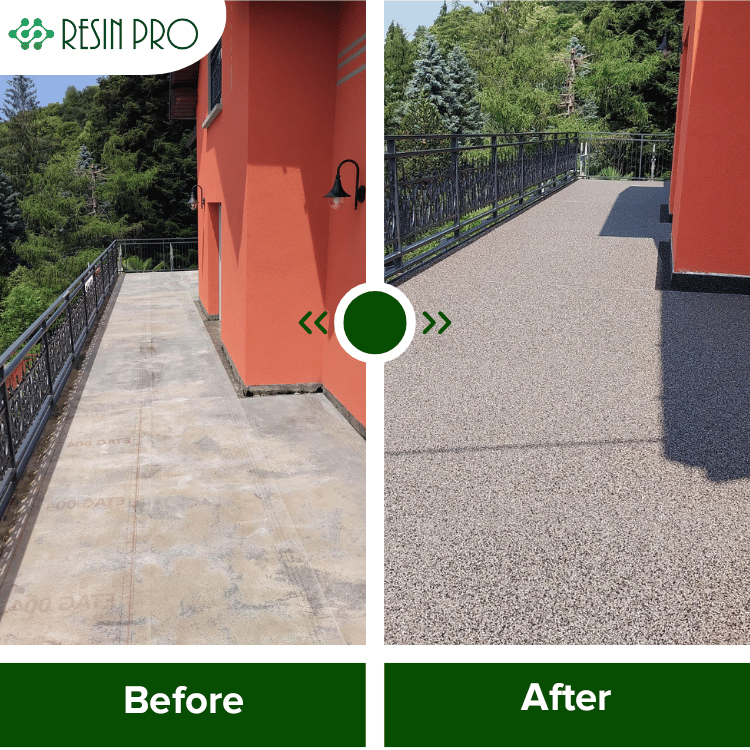
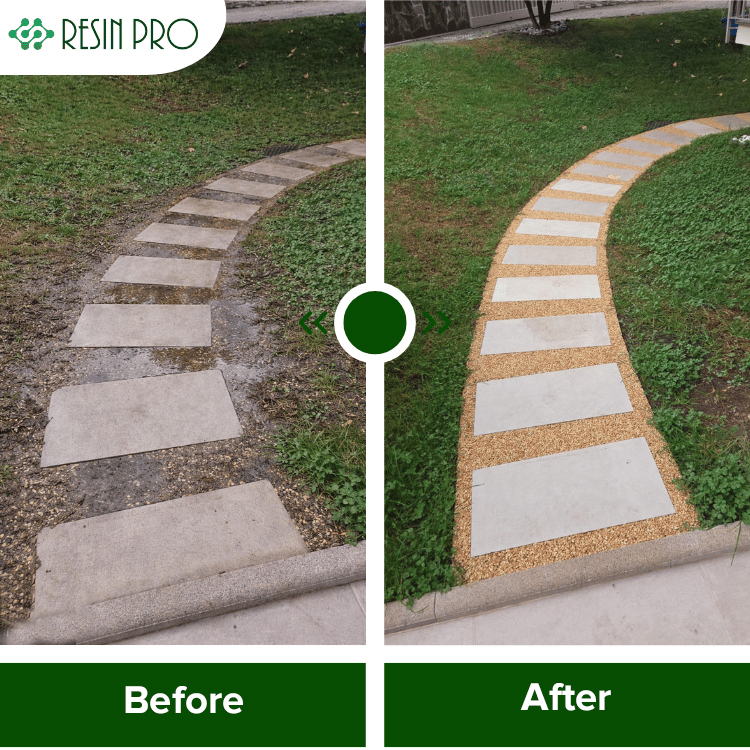
Before and after shots of resin-bound floors reveal the importance of base preparation and slope. Notice how sharp edges and even gradients result in smooth, functional outdoor finishes that allow water to drain freely without puddling on your patio or driveway.
- "Flowstone" – Complete Permeable Floor Kit with Pebbles and ResinPrice range: £42.85 through £3,389.85The Flowstone kit provides a durable, permeable pebble and resin floor solution suitable for outdoor surfaces needing drainage and custom finishes.
- "Epoxyprimer" – Universal Water-Based Two-Component Epoxy Floor PrimerPrice range: £148.84 through £272.45"Epoxyprimer" is a water-based two-component primer designed for reliable adhesion and durability on various substrates within resin flooring.
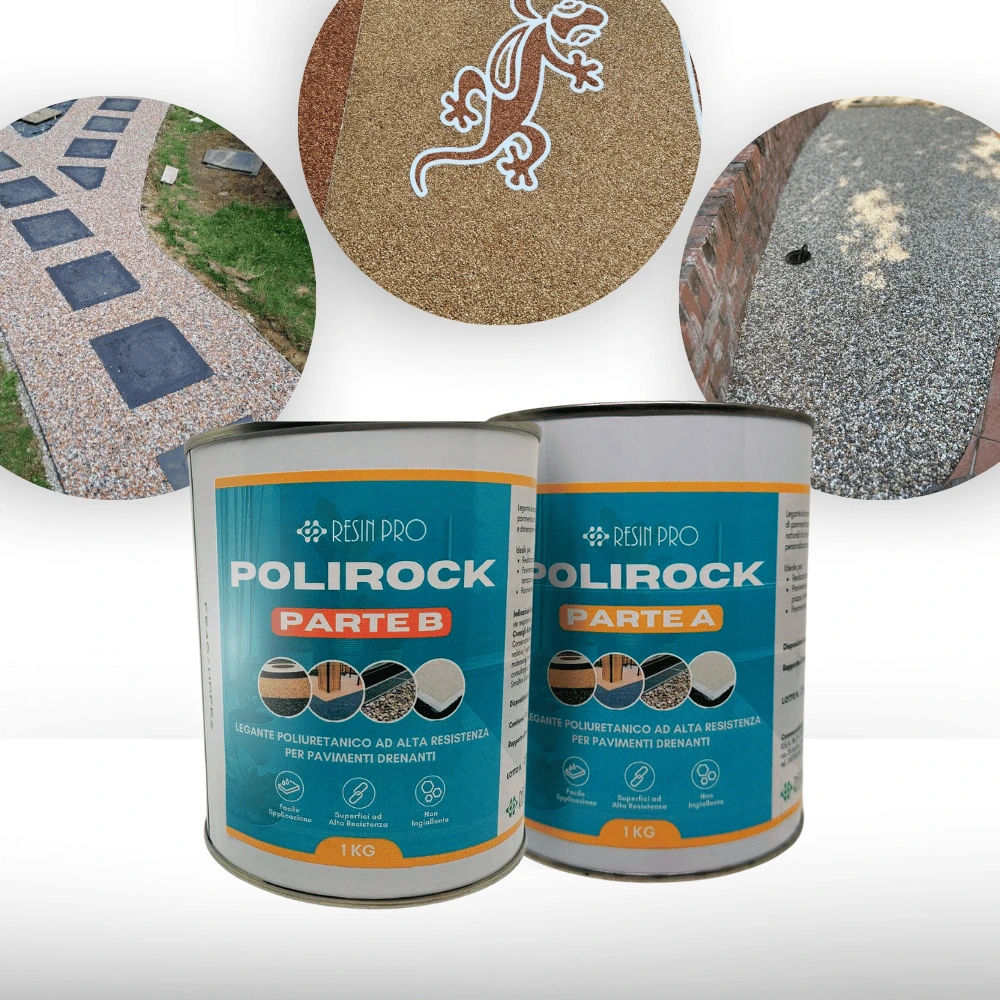 "Polirock" – Polyurethane Binder for White Stones, 2kg Two-Component Kit£58.85"Polirock" is a two-component polyurethane binder kit designed for durable, decorative outdoor stone surfaces with lasting clarity.
- Washed Pebbles for Permeable Floors 25kg – Outdoor Resin-Bound Surfaces£26.85Washed Pebbles designed for permeable outdoor resin floors, supporting sustainable and drainable surfaces.
Frequently Asked Questions
What slope is recommended for outdoor resin floors?
A minimum gradient of 1.5 to 2% is advised to ensure effective water drainage for resin-bound outdoor surfaces.
How should I prepare the sub-base before installing resin?
The sub-base must be levelled, stable, clean, free of oil or dust, and repaired if cracked or uneven.
Is priming required before laying a resin-bound floor?
Yes, priming ensures strong adhesion between the base and resin, especially on concrete, timber, or tiles.
Which resin binder is best for white or light stones?
A non-yellowing polyurethane binder is recommended to maintain lasting clarity and prevent discolouration.
What type of aggregate works best for sloped resin floors?
Washed pebbles 4–8 mm in size offer optimal permeability, strength, and ease of application on gradients.
How long should a resin floor cure before use?
Allow at least 24–48 hours for initial curing. Full load capacity and weather resistance may take several days.