 Free shipping on orders over £29,85
  Shipping Tracking!


 Google
 Facebook
Who makes resin floors?
Explore top resin-bound flooring kits, binders, and primers for outdoor use

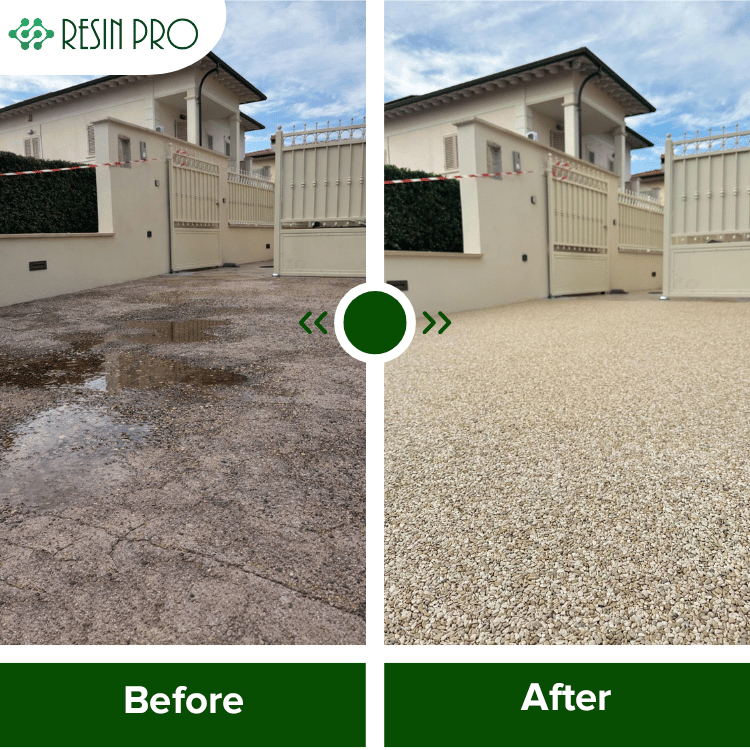
Looking to upgrade your driveway, path, or patio with a modern, durable finish? This guide explores the top resin systems and kits available to create beautiful, permeable, and long-lasting resin floors. Whether you’re a professional, an experienced tradesperson, or a DIY enthusiast, here you’ll find the best options for transforming and protecting outdoor spaces across the UK.
Resin Floors: Comparison & Key Differences
Resin floors have rapidly gained popularity for their seamless look, weather resistance, and ability to handle heavy use. But not all resins are the same. The main factors in choosing the right floor include permeability, surface type, the colour of aggregate, UV resistance, and the ease of installation. For white and light-coloured stones, a polyurethane binder prevents yellowing, while for coloured or dark pebbles, epoxy binders ensure a lasting, crystal-clear finish. Resin-bound kits offer a complete solution for both professional and DIY projects, and primers are essential for ensuring your floor’s durability.
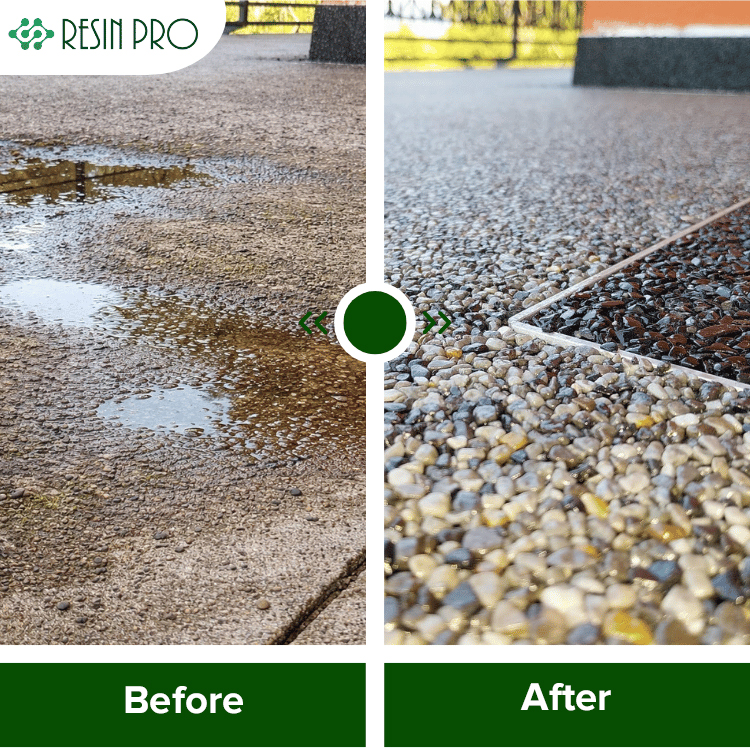
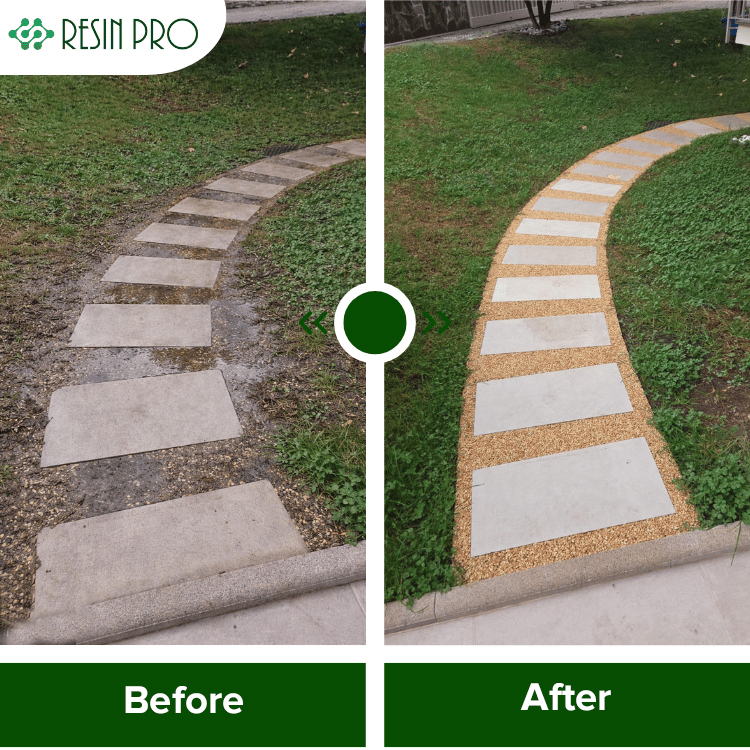
See The Difference: Resin Bound Floors in Action
Discover stunning transformations with permeable pebble floors and resin-bound surfaces designed for UK weather. From driveways to patios, these solutions combine practical drainage with beautiful finishes, reducing maintenance year-round. Visualise your next project before you begin.
“Flowstone” – Complete Permeable Floor Kit with Pebbles and Resin
For a truly robust all-in-one solution, “Flowstone” – Complete Permeable Floor Kit with Pebbles and Resin delivers everything needed to install a permeable resin-bound floor. Especially suited for UK driveways, footpaths and patios, Flowstone is tailored for outdoor environments where drainage is a top concern. Each kit is sized per surface area and comes with precise resin guidance—opt for non-yellowing polyurethane with white aggregate, and low-yellowing epoxy with coloured stones for colour retention. Featuring a wide choice of colours and granule sizes, the system is both affordable and easy to apply, making it a favourite for both professionals and first-time installers. The permeable nature prevents puddles, and maintenance is minimal throughout the seasons.
“Trasparente” – Epoxy Binder for Coloured Pebbles and Grits
When working with colourful or dark-toned pebbles, “Trasparente” – Epoxy Binder for Coloured Pebbles and Grits is your specialist solution. It is a transparent, two-part epoxy binder that delivers a bubble-free, high-clarity finish with excellent UV resistance. Its low viscosity ensures that aggregates are fully encapsulated, providing strength and vibrancy to decorative pebble floors. Ideal for both professional landscapers and DIYers, this binder is certified non-toxic after curing. Note that Trasparente is best for exterior applications where coloured aggregates or grits are preferred for standout design.
“Polirock” – Polyurethane Binder for White Stones
For projects featuring brilliant white stones, “Polirock” – Polyurethane Binder for White Stones, 2kg Two-Component Kit ensures lasting clarity and zero yellowing. Engineered specifically for white or lightly tinted aggregates, Polirock forms a robust, anti-slip, UV-resistant, and weatherproof finish. It’s suitable for both pedestrians and light vehicle traffic, and is customisable for various aggregate sizes. Easy to mix and reliable under UK weather extremes, Polirock is ideal for professionals creating elegant yet functional outdoor spaces as well as confident DIYers.
“Epoxyprimer” – Universal Water-Based Two-Component Epoxy Floor Primer
For the strongest, most resilient base, “Epoxyprimer” – Universal Water-Based Two-Component Epoxy Floor Primer is a must before applying resin-bound systems. This eco-friendly, odourless primer is compatible with concrete, tiles, timber, and screeds, maximising bond strength and long-term durability. Suitable for prep work on driveways and patios, it cures quickly (24–48 hours) and is applied with a roller, brush, or spatula for even coverage. Reliable priming is the first step to achieving a resin floor that lasts for years.
Choosing the Right Resin Floor for Your Project
Selecting the right type of resin floor depends on your specific project needs, substrate, and preferred finish. For white or light stones, always choose polyurethane to prevent discolouration. Coloured or darker stones work best with epoxy binders for UV stability and clarity. Consider drainage requirements—permeable kits are ideal for outdoor areas exposed to rain. Don’t forget a quality primer if you’re working on an existing hard surface. Assess usage—driveways and patios exposed to high traffic may need a thicker base or special grid systems for additional reinforcement. If unsure, explore the Pebble Floors category for inspiration or professional advice.
Expert Tips for Resin Floor Installation
Choose the correct binder for your aggregate colour and prepare surfaces thoroughly for best results. Browse our Pebble Floors range for inspiration and technical guidance. Careful planning ensures a resin floor that lasts.
- "Flowstone" – Complete Permeable Floor Kit with Pebbles and ResinPrice range: £42.85 through £3,389.85"Flowstone" kit provides a durable, permeable pebble and resin floor system suited for outdoor UK environments with guidance for effective use.
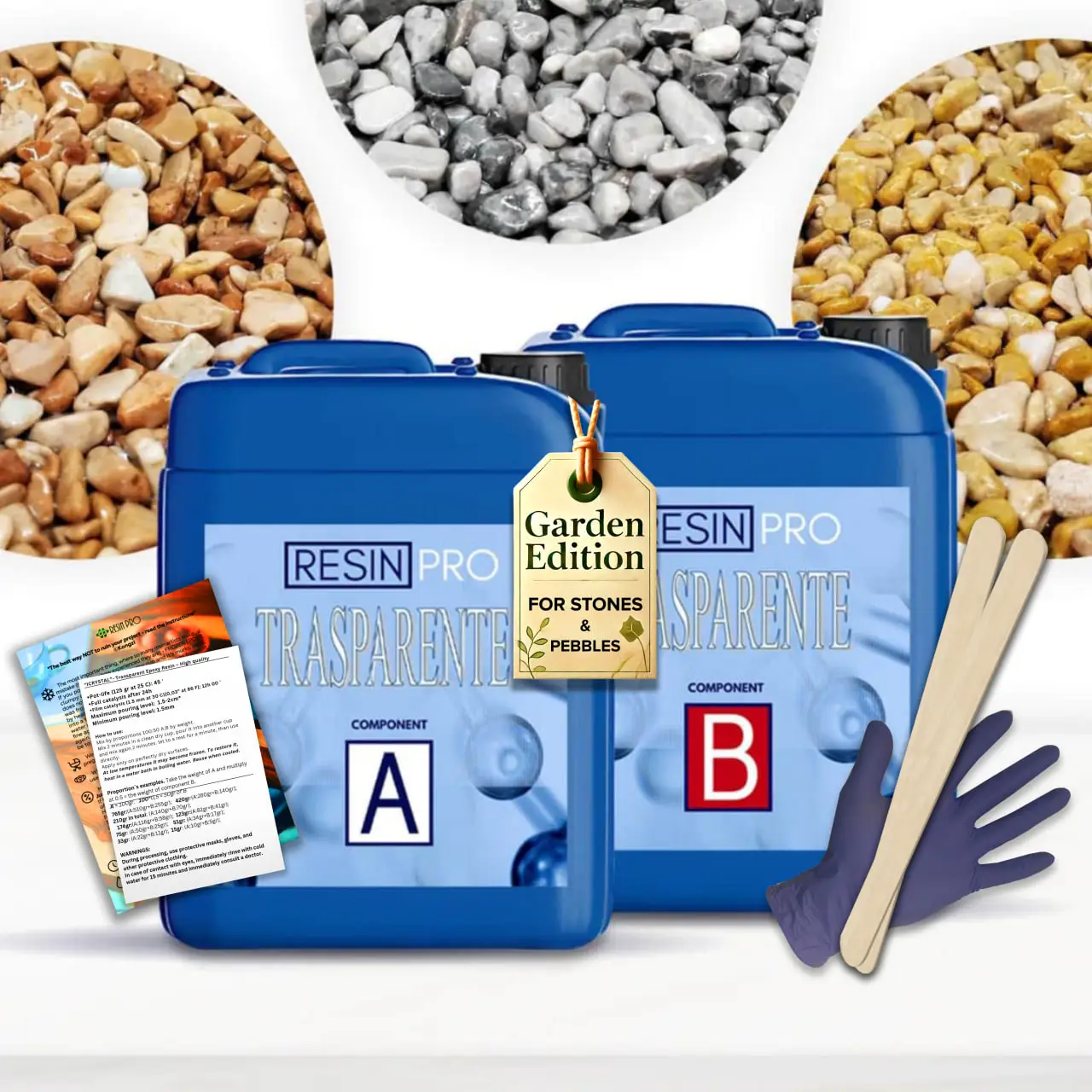 "Trasparente" – Epoxy Binder for Coloured Pebbles and GritsPrice range: £31.85 through £948.85"Trasparente" provides a clear, durable epoxy binder designed for coloured pebbles and grits, suitable for various pebble floor applications.
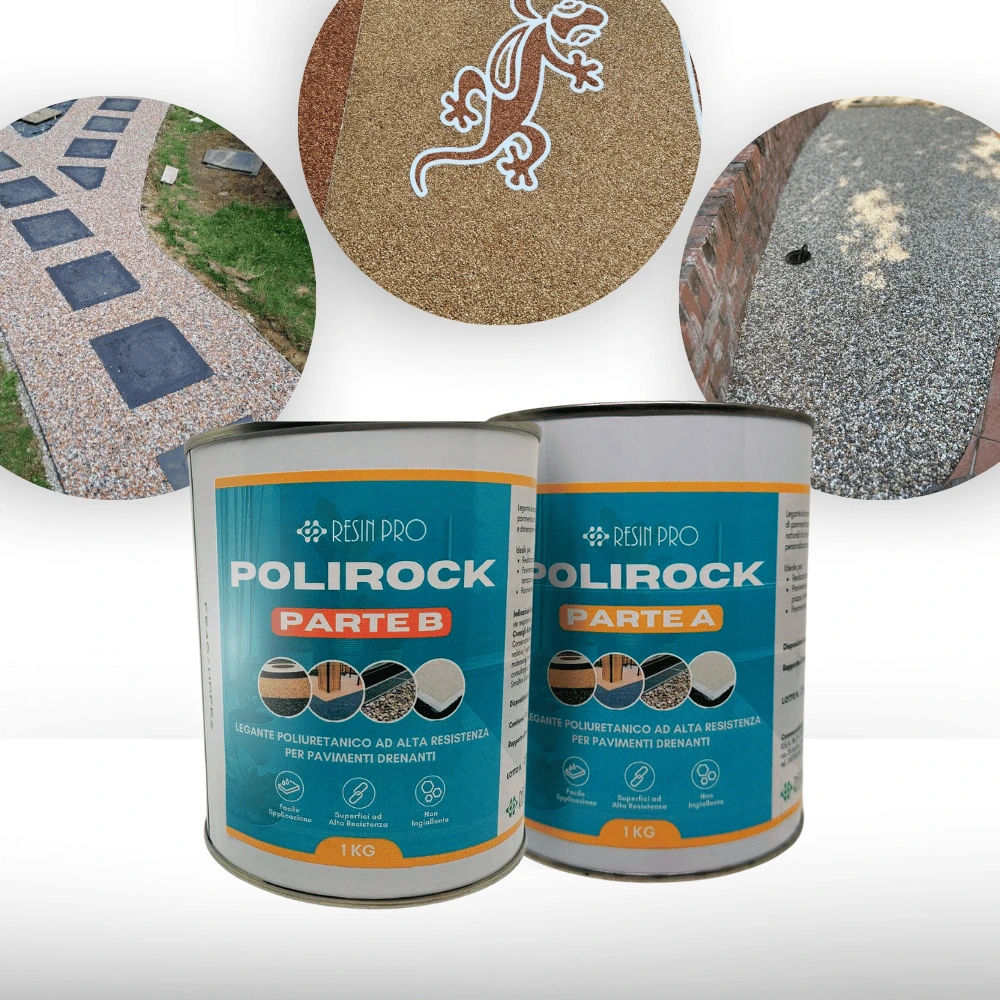 "Polirock" – Polyurethane Binder for White Stones, 2kg Two-Component Kit£58.85"Polirock" polyurethane binder creates durable, clear outdoor stone surfaces suitable for pedestrian and vehicular areas under the theme Who makes…
 "Epoxyprimer" – Universal Water-Based Two-Component Epoxy Floor PrimerPrice range: £148.84 through £272.45"Epoxyprimer" is a water-based two-component epoxy floor primer, suitable for concrete, wood, tiles, and screed surfaces under the theme Who makes…
Frequently Asked Questions
Frequently Asked Questions
What is the difference between epoxy and polyurethane binders?
Epoxy binders are recommended for coloured stone and aggregate, offering a crystal-clear, durable, UV-stable finish. Polyurethane binders are essential for white or pale stones, providing superior resistance to yellowing and excellent performance outdoors. Your choice should depend primarily on the colour of aggregate and desired longevity in the UK's outdoor climate.
Do I need a primer for resin flooring?
A primer is strongly advised, particularly on porous or mixed substrates like concrete, timber or tiles. Priming maximises adhesion, minimises bubbles, and increases the overall lifespan of the floor. It's the foundation for a perfect and lasting resin installation.
Can resin-bound floors be installed by DIYers?
Absolutely. Most modern resin-bound floor kits provide straightforward instructions for non-professional installation. Following the application steps and using the right tools ensures a professional finish, even for first-timers.
How do I prevent resin floors from yellowing?
Select non-yellowing polyurethane binders for white or light stones and UV-stable epoxies for coloured aggregates. Always check product suitability for your chosen aggregate to maintain clarity and colour for years.
Are permeable resin floors suitable for high-traffic areas?
Yes, provided the right materials and installation methods are used. Permeable resin floors are extensively used for driveways, public pathways, and terraces. For car parks and heavy vehicular use, pay close attention to thickness and sub-base reinforcement.
What surfaces can resin floors be installed on?
Resin systems are compatible with stable concrete, screeds, timber, compacted soil (in some cases), ceramic tiles, and specialist grids. Review each product's guidance to match the substrate for best adhesion and durability.
How long does a resin floor take to cure?
A standard resin primer or binder will be touch-dry or strong enough for light use within 24–48 hours under normal UK temperatures. Always follow the specific curing guidelines for your chosen product and adjust for climate.
Do I need a primer for resin flooring?
Primers are strongly recommended, especially on porous or mixed substrates like concrete, wood, or tiles. They maximise adhesion and extend the floor’s lifespan, reducing the risk of bubbling or peeling over time.
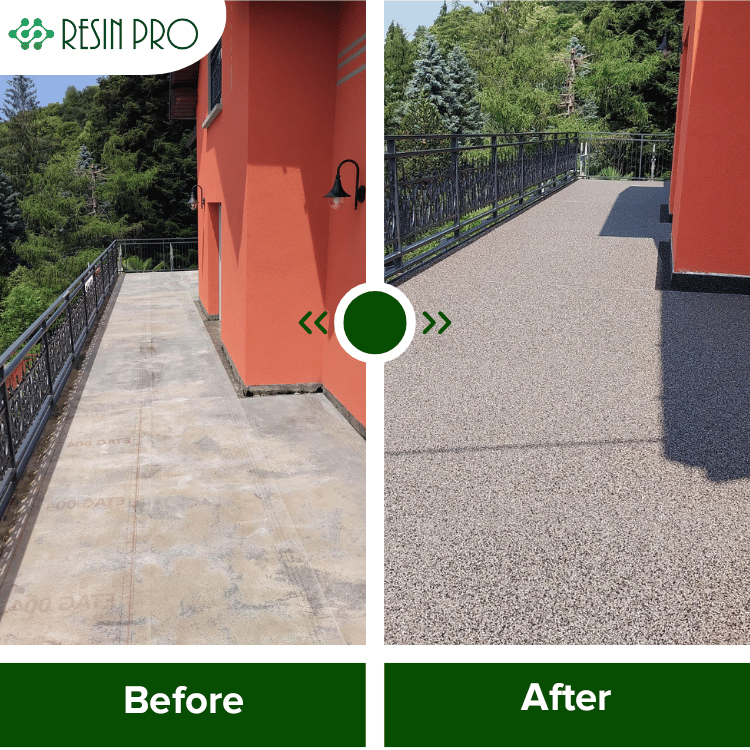
"Flowstone" – Complete Permeable Floor Kit with Pebbles and Resin
The Flowstone kit is a complete solution for creating permeable, decorative, and durable pebble flooring with resin binders suitable for outdoor UK spaces.
Can resin-bound floors be installed by DIYers?
Yes. Many resin-bound systems are designed for easy, step-by-step application by non-professionals. Just follow the manufacturer’s instructions for best results, and consider a cement mixer for large areas to simplify the mixing process.
How do I prevent resin floors from yellowing?
For white and light stones, use a non-yellowing polyurethane binder such as Polirock. For coloured aggregates, choose a UV-stable epoxy binder like Trasparente. Correct binder selection is crucial for long-term clarity.
"Flowstone" – Complete Permeable Floor Kit with Pebbles and Resin
The Flowstone kit is a complete solution for creating permeable, decorative, and durable pebble flooring with resin binders suitable for outdoor UK spaces.

Are permeable resin floors suitable for high-traffic areas?
With the correct materials and installation, permeable resin floors are strong enough for driveways, public paths, and even some vehicular areas. Always follow guidance on thickness and reinforcement for heavy use.
What surfaces can resin floors be installed on?
Resin floors are compatible with concrete, timber, screed, compacted soil (with limitations), tile, and specialist grids for reinforcement. Check the product’s recommended substrate for optimal results.
"Trasparente" – Epoxy Binder for Coloured Pebbles and Grits
Transparent epoxy resin designed for durable and clear bonding of coloured pebbles and grits on permeable surfaces.
How long does a resin floor take to cure?
Curing times depend on temperature, product, and thickness, but most resin primers and binders reach full strength after 24–48 hours at room temperature. Always check specific product instructions.