 Free shipping on orders over £29,85
  Shipping Tracking!


 Google
 Facebook
How do you anchor rebar with epoxy resins?
Secure rebar in concrete or stone using epoxy adhesives safely.
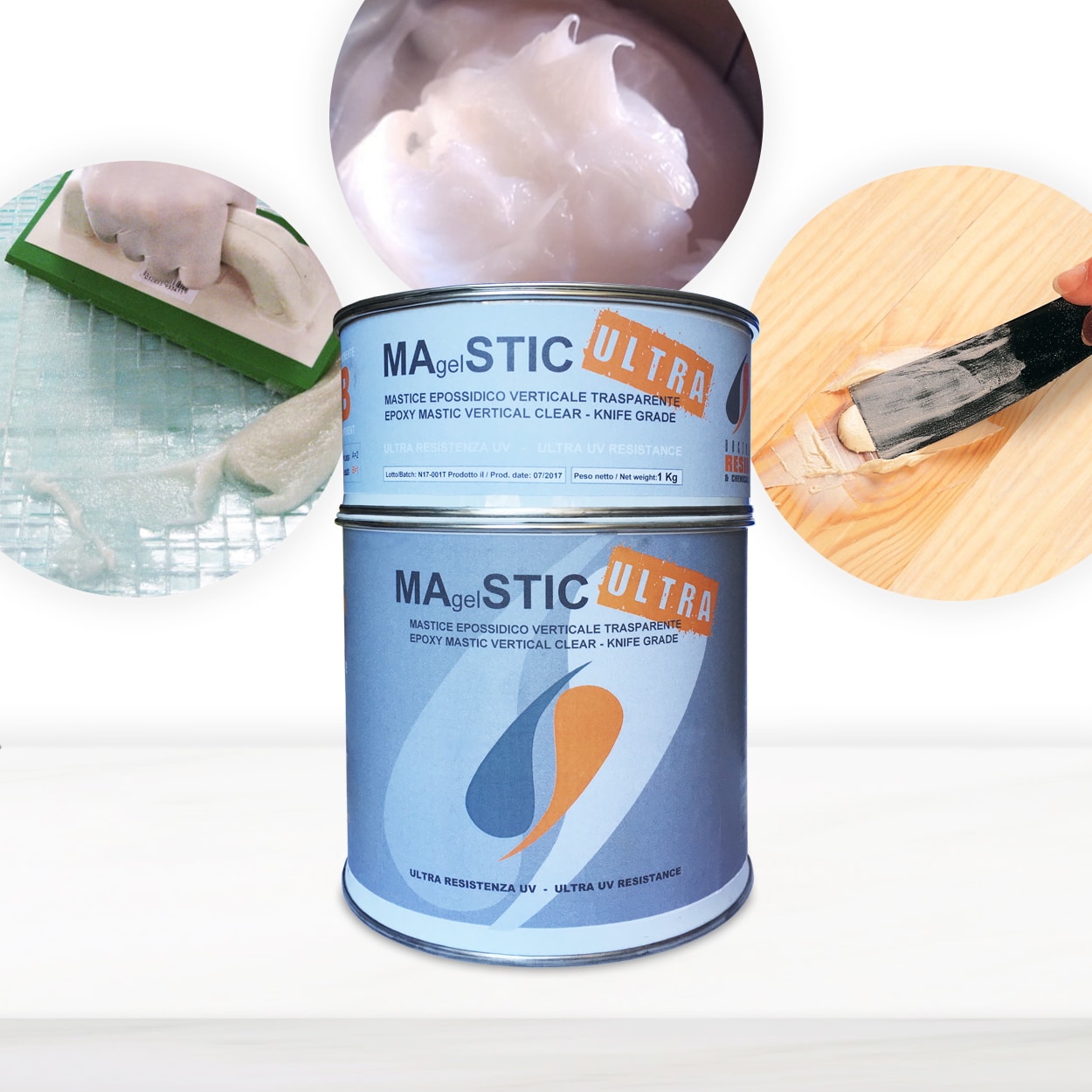
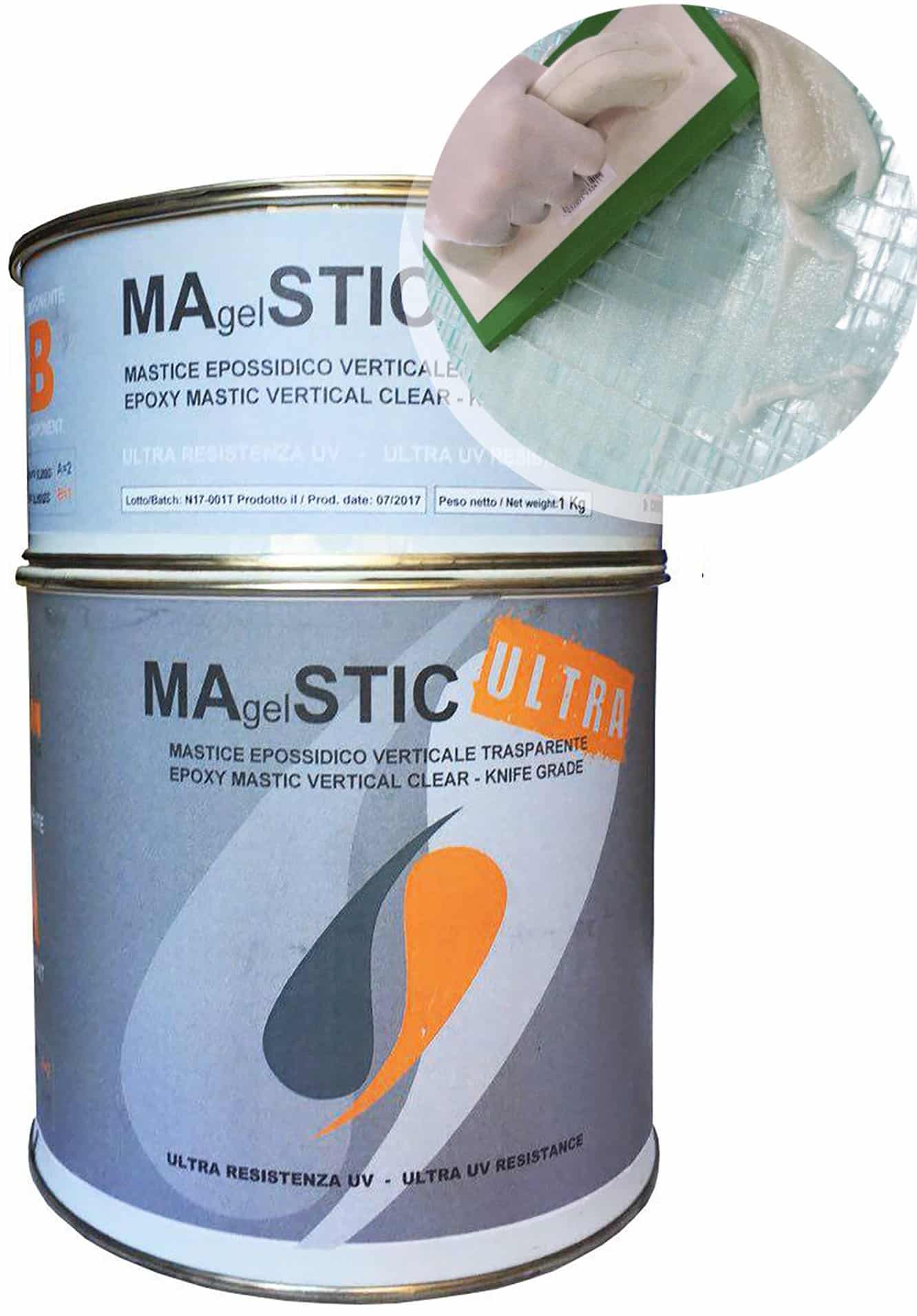
Anchoring rebar with epoxy resin provides a robust and long-lasting bond to concrete, stone, or masonry. Whether you are reinforcing structures in new builds or retrofitting during restoration, using high-quality epoxy ensures optimal strength, durability, and ease of application. On this page, you will learn how to anchor rebar safely and effectively using professional epoxy products for reliable results on both indoor and outdoor projects.
What You’ll Need
Before you begin, gather the following materials and tools:
- “Magelstick” – Epoxy Mastic for Stone, Metal, and Cement Bonding and Grouting – ideal for vertical surfaces and high mechanical strength
- “Klebfix” – Two-Component Fast Epoxy Glue 2K, 25g Syringe – fast-setting, suitable for versatile bonding needs
- “FixExpress” – Two-Component Epoxy Glue 500g – ultra-fast setting, great for quick anchoring work
- Clean, dry rebar rods (free from oil, rust, or debris)
- Drill with masonry bit (for creating anchor holes)
- Wire brush and compressed air (for cleaning holes)
- Protective gloves and safety goggles
- Mixing tools appropriate for selected epoxy
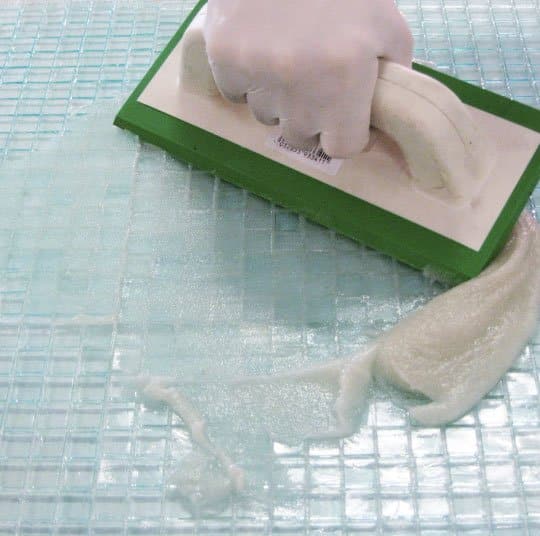
Epoxy in Action: Practical Use for Anchoring Rebar
See epoxy resin applied for fastening rebar into concrete. Proper technique ensures durable, robust anchoring, vital for safe structural reinforcement. Techniques shown work equally well for repair and new installations using professional adhesives such as Magelstick or Klebfix.
Step 1: Prepare the Base Material and Rebar
Begin by marking the drilling locations where each rebar will be anchored. Using a drill with a masonry bit, create holes of appropriate diameter and depth. After drilling, clean out all dust and debris from the holes using a wire brush and compressed air. Ensure both the holes and rebar are dry and free of oil, rust, or residue to guarantee strong adhesion.
Step 2: Mix and Prepare the Epoxy Resin
Select the epoxy best suited for your task: for vertical or restoration work, “Magelstick” – Epoxy Mastic is recommended. For rapid jobs, you might use “Klebfix” or “FixExpress”. Mix the epoxy according to its instructions – maintaining the right ratio is vital; for example, “Magelstick” requires a 100:50 mix and both “Klebfix” and “FixExpress” use a 1:1 ratio. Only mix as much epoxy as you can apply within the work time specified.
Step 3: Apply Epoxy and Insert the Rebar
Fill each clean hole with the prepared epoxy resin using a spatula or syringe, ensuring the adhesive contacts the entire surface. Immediately insert the rebar, twisting as you push it in to ensure even coverage and air removal. For vertical or overhead applications, the thixotropic nature of “Magelstick” prevents running, while faster-setting glues like “Klebfix” or “FixExpress” deliver secure, quick anchoring. Wipe away any excess epoxy before it begins to cure.
Step 4: Allow to Cure and Inspect
Leave the installation undisturbed as per the resin’s recommendations – typically, rapid-set types such as “Klebfix” and “FixExpress” become solid in 5 minutes but develop full strength after several hours. Refer to manufacturer guidelines for full cure times before placing any load on the anchored rebar. Once cured, inspect all anchors for integrity and ensure no voids are present around the rebar.
Tips and Common Mistakes When Anchoring Rebar
Professional-grade, bi-component epoxy putty like “Magelstick” offers superior vertical hold and minimal shrinkage—excellent for restoration. Super-strong 2K epoxy resin types like “Klebfix” and Ultra-fast setting glues such as “FixExpress” are best when speed and versatility are key.
Always observe correct mixing ratios for maximum Exceptional mechanical strength. Avoid overfilling holes, as this could hinder rebar insertion and create air pockets. Do not attempt application below the recommended temperature (10°C for “Magelstick”). Working with overly large batches reduces work time and efficiency.
Expert Tips for Flawless Epoxy Anchoring
Plan your workflow around the resin’s setting time: have all holes cleaned and rebar ready before mixing epoxy. Epoxies like FixExpress set quickly, so preparation is key for perfect results.
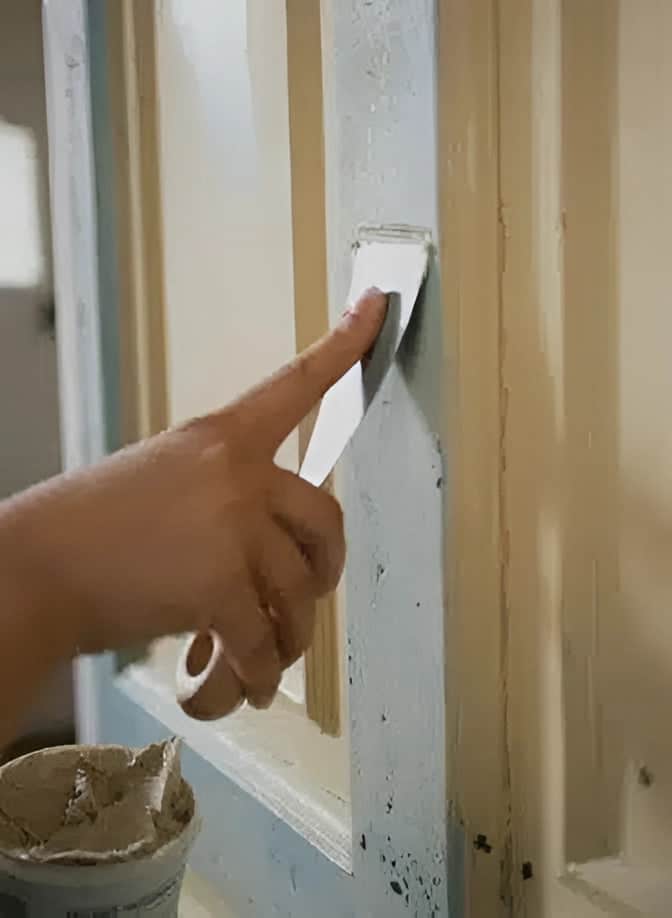
- "Magelstick" – Epoxy Mastic for Stone, Metal, and Cement Bonding and GroutingPrice range: £43.85 through £166.45"Magelstick" Epoxy Mastic is designed for precise bonding and grouting of stone, metal, and cement, suitable for vertical applications and…
 "Klebfix" – Two-Component Fast Epoxy Glue 2K, 25g Syringe£22.85"Klebfix" Two-Component Fast Epoxy Glue is a professional-strength adhesive suitable for bonding various materials with reliable fastening.
 "FixExpress" – Two-Component Epoxy Glue 500g£25.45"FixExpress" is a two-component epoxy glue suitable for rapid repairs and strong bonds on various materials.
Frequently Asked Questions
What are the advantages of using epoxy resin for anchoring rebar?
Epoxy resin provides exceptional adhesion to both steel and substrate materials like concrete or stone. It cures to create a very strong bond, often stronger than the base material itself, and offers resistance to moisture, chemicals, and weathering.
Can you use these epoxy products for outdoor anchoring?
Yes. Products like "Magelstick" are UV and weather resistant and suitable for both indoor and outdoor applications. Ensure the product selected specifically indicates suitability for external use.
How important is surface preparation in rebar anchoring?
Surface and hole cleanliness are vital. Dust, debris, oils or rust dramatically decrease the final bond strength and may lead to premature failure of the anchoring system.
Which epoxy should I choose for vertical or overhead anchoring?
For vertical jobs, select epoxies like "Magelstick" with a thixotropic formula. This prevents the resin from sagging or dripping, maintaining the anchor's position as it cures.
How quickly can I load the rebar after anchoring?
Fast-setting resins such as "Klebfix" and "FixExpress" set in about 5 minutes, but maximum strength is usually achieved after several hours. Always follow the product's curing guidelines before applying stress or load.
Do these epoxy products shrink or expand after curing?
Modern epoxies like "Magelstick" are formulated with minimal shrinkage, ensuring a solid, gap-free bond without compromising strength or finish.
What are common mistakes to avoid when mixing epoxy resin?
Major pitfalls include using incorrect ratios, mixing too large batches, or not blending thoroughly. Always mix as per the technical sheet and only as much as you can use within the work time.
Can rebar be anchored in both concrete and natural stone with these epoxies?
Yes. The listed resins bond well with concrete, natural, and artificial stone as well as metals, making them broadly suitable for construction and renovation projects.