 Free shipping on orders over £29,85
  Shipping Tracking!


 Google
 Facebook
How to create a resin floor?
Step-by-step method for strong, decorative resin flooring

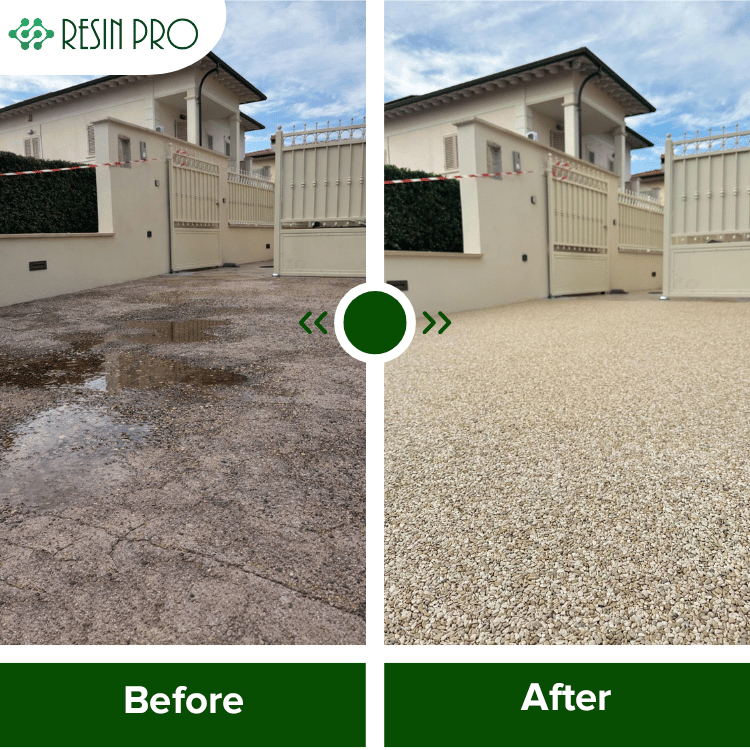
Creating a resin floor is an accessible project that delivers a durable, attractive, and low-maintenance surface for both indoor and outdoor spaces. This guide will show you how to install a resin floor, from preparing your substrate to applying resin and finishing for a flawless, long-lasting result. Whether your application is for a patio, driveway, or footpath, careful technique is key to ensuring the best performance and finish.
What You’ll Need
- “Flowstone” – Complete Permeable Floor Kit with Pebbles and Resin: Complete kit for decorative, permeable pebble flooring.
- “Epoxyprimer” – Universal Water-Based Two-Component Epoxy Floor Primer: Ensures strong adhesion and compatibility for various bases.
- “Trasparente” – Epoxy Binder for Coloured Pebbles and Grits: Ideal if using coloured or dark aggregates.
- “Polirock” – Polyurethane Binder for White Stones, 2kg Two-Component Kit: Perfect for white or light stone finishes.
- Protective gloves, mixing buckets, trowel or float, roller or brush, appropriate PPE.
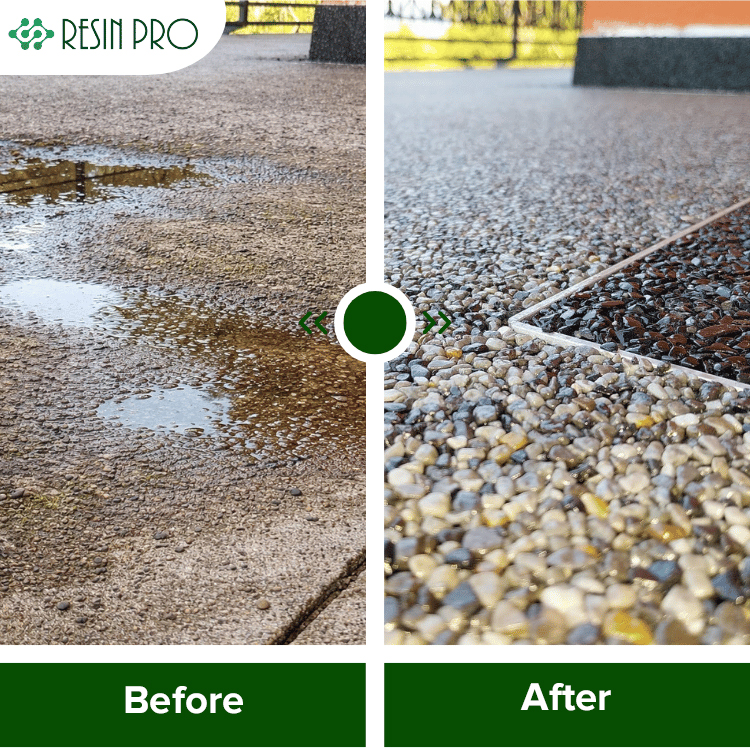
See Resin Flooring in Action
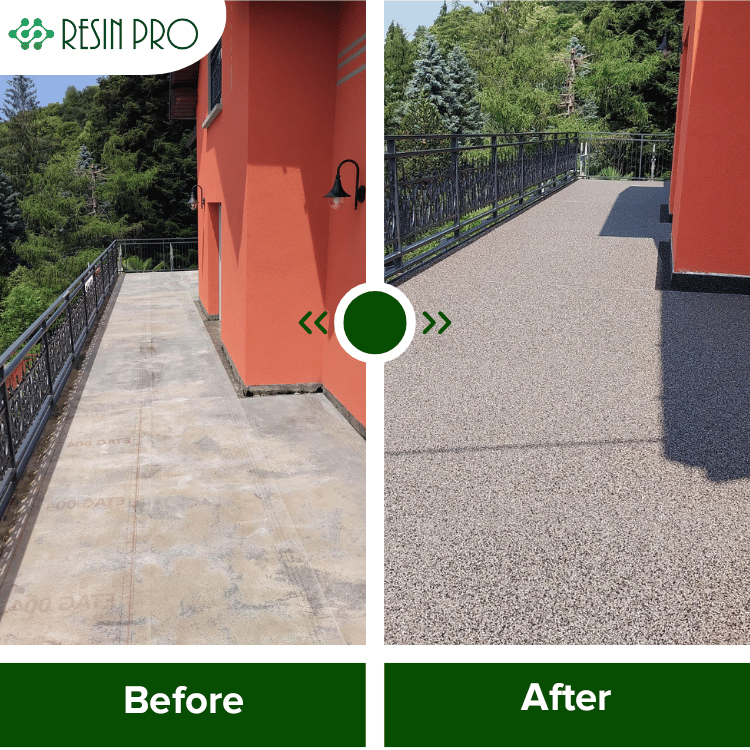
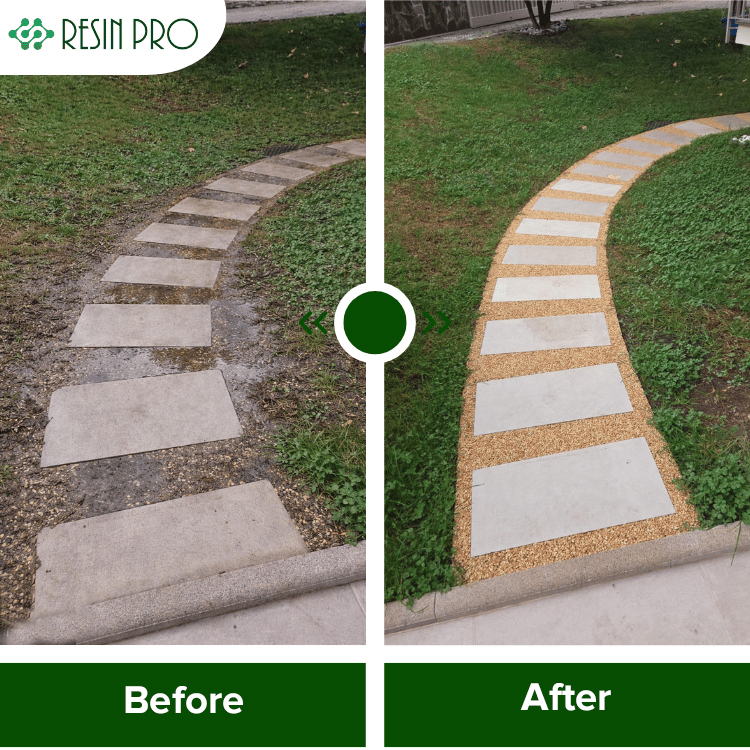
Transform any driveway or patio with a permeable resin-pebble finish. Our customer gallery features real projects showcasing practical preparation, rolling primer application, and creative aggregate choices for lasting results. Browse to spark inspiration!
Step 1: Prepare the Substrate
Start by ensuring the surface is structurally sound and level. Remove dust, grease, loose materials, or previous coatings. If the base is unstable or has cracks, repair these to provide a solid foundation. Moisture content should be low, as excess water can hinder resin adhesion and curing. Concrete, screed, tile, or timber are all acceptable bases if properly prepared. Thorough preparation prevents delamination and ensures maximum lifespan for your new floor.
Step 2: Apply an Epoxy Primer
Once your substrate is ready, apply a high-quality primer to promote strong bonding between the surface and subsequent resin layers. Using a roller or brush, evenly coat the area with your selected primer – for example, “Epoxyprimer” – Universal Water-Based Two-Component Epoxy Floor Primer is suitable for concrete, tile, screed, or wood. Allow the primer to cure according to instructions, typically 24–48 hours. Proper priming minimises bubbling and movement, and is essential for a flawless finish.
Step 3: Mix Aggregates and Binder
For resin-bonded pebble floors, select your preferred aggregate colour and size. In a clean mixing vessel, blend the stones thoroughly with the appropriate resin binder. Use “Trasparente” – Epoxy Binder for Coloured Pebbles and Grits when working with coloured or dark stones, or “Polirock” – Polyurethane Binder for White Stones with white aggregates to prevent yellowing. Always mix aggregates and binder fully to coat every particle and achieve a uniform matrix ready for application.

Step 4: Lay and Finish the Resin Floor
Pour the mixed product onto your primed surface and spread it evenly using a trowel or float to achieve the desired thickness (typically around 1.5–2cm for pebble flooring). Pay close attention to corners and edges. Work steadily and do not delay – work within pot life—do not apply curing resin as this can lead to uneven finish or poor bond. Smooth the surface for an even appearance. For large areas, use a mixer for better consistency and efficiency. Allow the floor to cure fully before use; walking is usually possible after about 10 hours, but wait at least 24 hours for complete curing. Allow correct cure times for each resin layer for the best result.

Tips, Common Mistakes, and Troubleshooting
Always check the weather before installation; avoid extremely cold, hot, or humid conditions which can affect the cure and bond. Ensure the substrate is dry and clean—avoid too much water when cleaning substrate, as moisture hinders resin adhesion. Clean tools promptly after use to prevent hardening. Measure and mix components precisely as per product guidelines. Rushing or skipping steps can result in weak spots, so follow each cure period faithfully and do not force-dry surfaces. Use the correct binder for your chosen gravel to prevent yellowing (white stones require polyurethane binders). If bubbles or patchiness appear, review substrate priming or aggregate mixing for next time.
Why Choose Resin for Your Floor?
Resin floors outperform traditional surfaces in durability and design flexibility. From anti-slip patios to vibrant driveways, resin systems combine style with practicality. Discover all resin floor solutions to suit every outdoor project.
- "Flowstone" – Complete Permeable Floor Kit with Pebbles and ResinPrice range: £42.85 through £3,389.85"Flowstone" kit provides a permeable, durable pebble and resin flooring solution designed for UK outdoor spaces.
- "Epoxyprimer" – Universal Water-Based Two-Component Epoxy Floor PrimerPrice range: £148.84 through £272.45Epoxyprimer is designed for reliable adhesion and durability in epoxy resin flooring, suitable for various surfaces in resin floor creation.
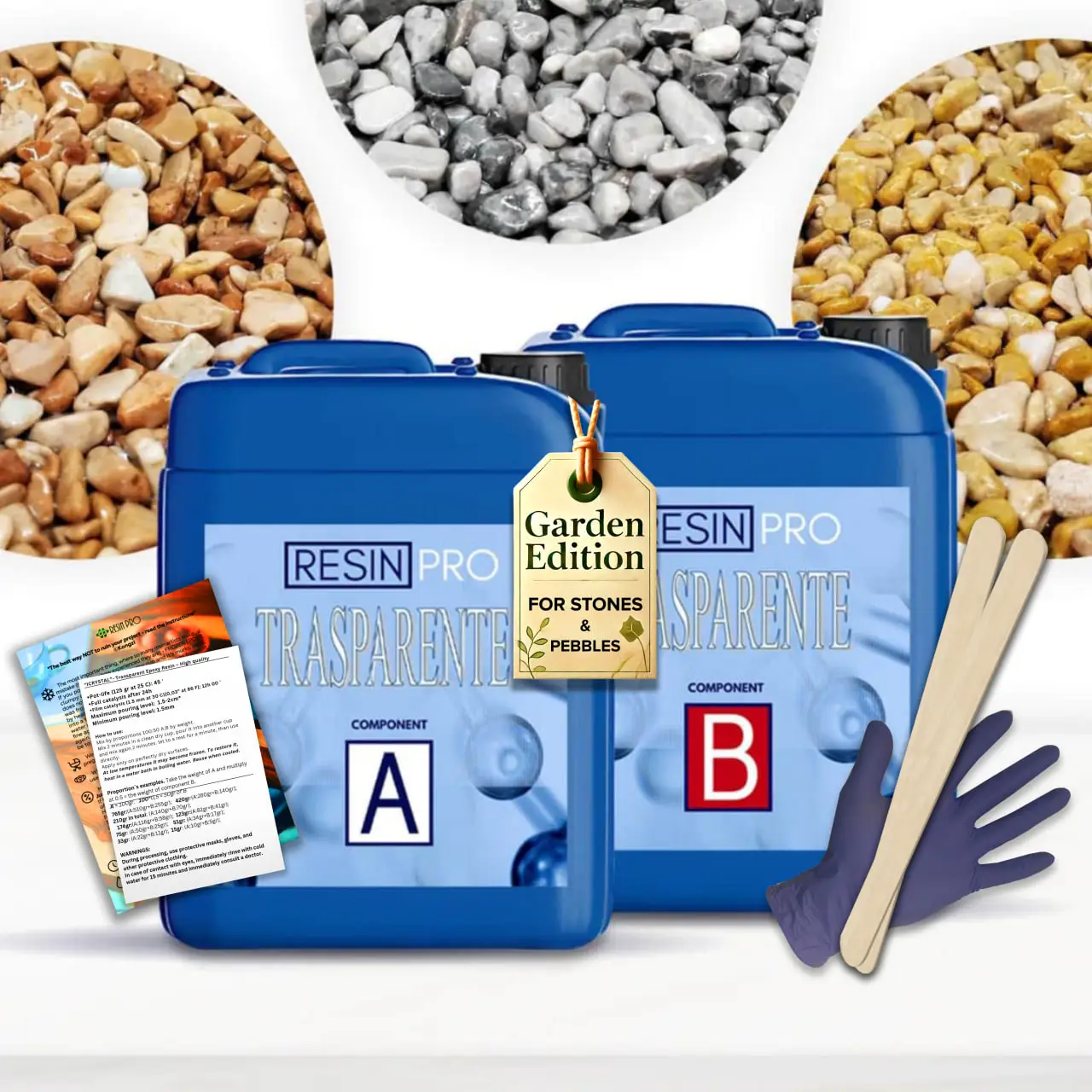 "Trasparente" – Epoxy Binder for Coloured Pebbles and GritsPrice range: £31.85 through £948.85"Trasparente" is a transparent epoxy binder suitable for coloured pebbles and grits, designed to provide a clear, durable finish for resin floors.
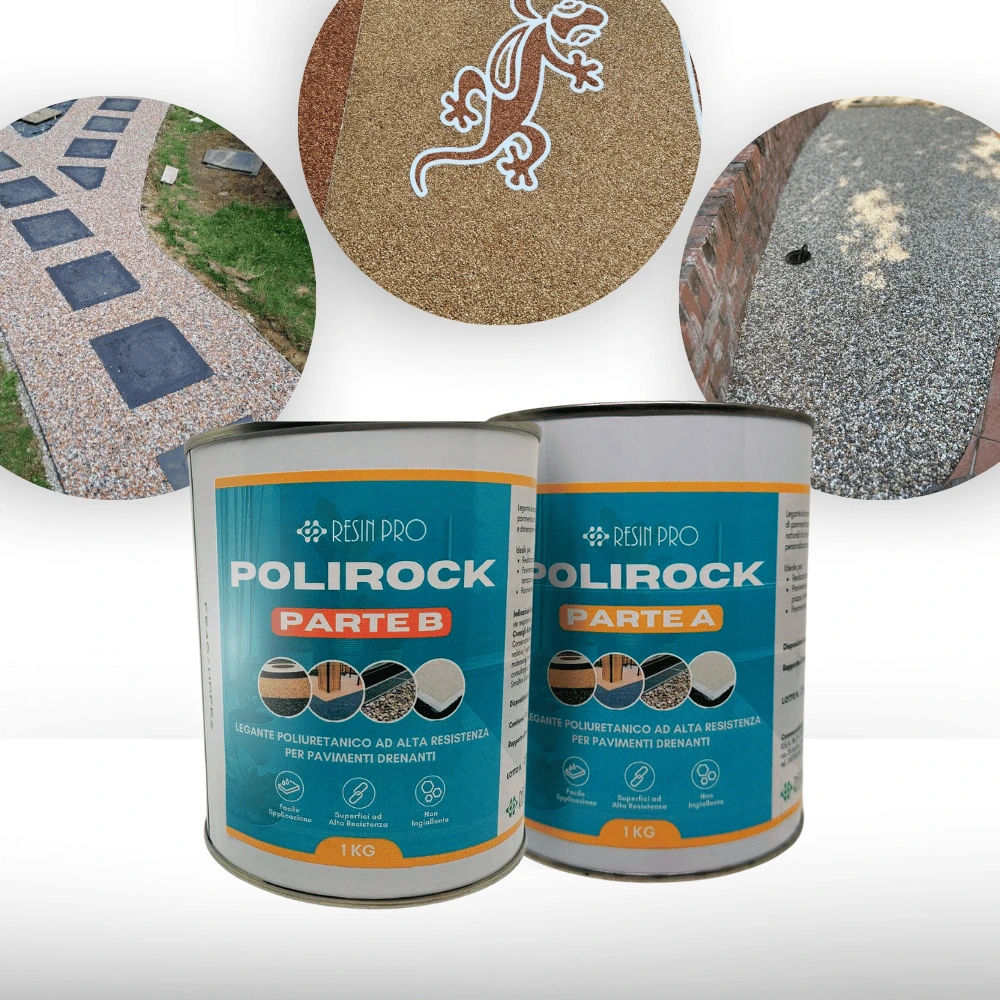 "Polirock" – Polyurethane Binder for White Stones, 2kg Two-Component Kit£58.85POLIROCK is a two-component polyurethane binder suitable for durable, decorative, and permeable outdoor stone surfaces.
Frequently Asked Questions
Which resins and surfaces are suitable for resin flooring?
Resin can be applied to concrete, screed, timber, tiles, and more using suitable primers. Epoxy or polyurethane resin systems are commonly used.
What is a permeable resin floor and why use it?
A permeable resin floor allows water to drain through, reducing puddles and flood risk. It's ideal for UK patios, driveways and paths.
What’s the best weather for applying a resin floor?
Apply resin floors in mild, dry conditions. Avoid very cold, hot, or humid days to ensure best curing and adhesion.
Can I install a resin floor myself?
Yes, resin floors are suitable for DIY with the right products and careful preparation. For large areas, additional tools may help.
Which binder should I use with white stones?
Use a polyurethane binder, such as Polirock, to prevent yellowing and ensure a clear finish with white aggregate.
Why is surface preparation important for resin flooring?
A clean, dry and stable base is essential for proper bonding and prevents issues like bubbles, cracks, or delamination.
How long before I can use my new resin floor?
Light foot traffic is possible after around 10 hours, but wait 24 hours for the surface to fully cure before heavy use or parking a vehicle.