 Free shipping on orders over £29,85
  Shipping Tracking!


 Google
 Facebook
How to make two-part moulds for modelling resin?
A complete guide for precise, reusable resin moulds every time
Creating precise two-part moulds allows you to replicate intricate details and cast complex shapes in modelling resin with ease. Whether you’re an experienced hobbyist or a beginner eager to improve your craft, learning this method opens doors to a world of creative reproduction and custom resin casting.
What You’ll Need
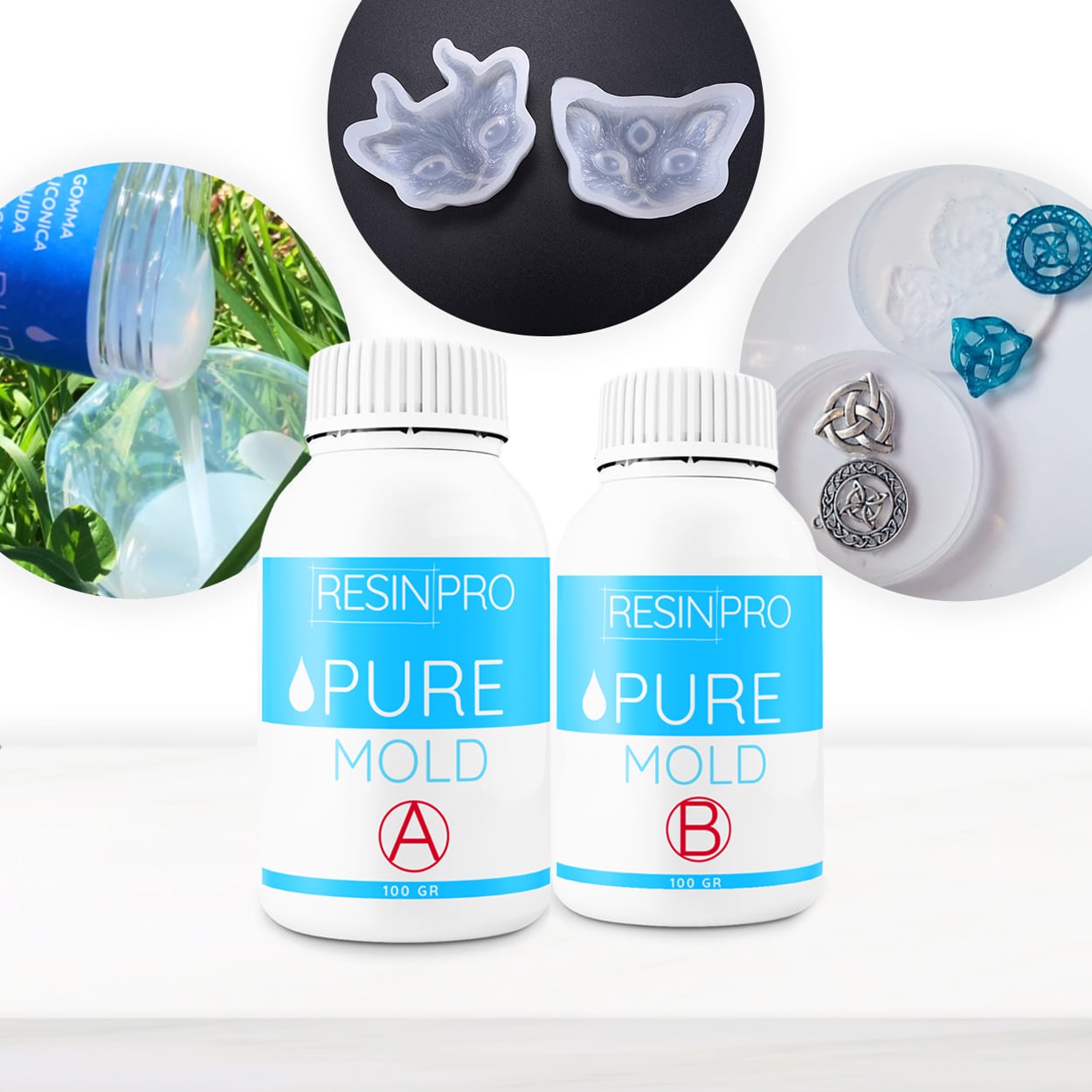
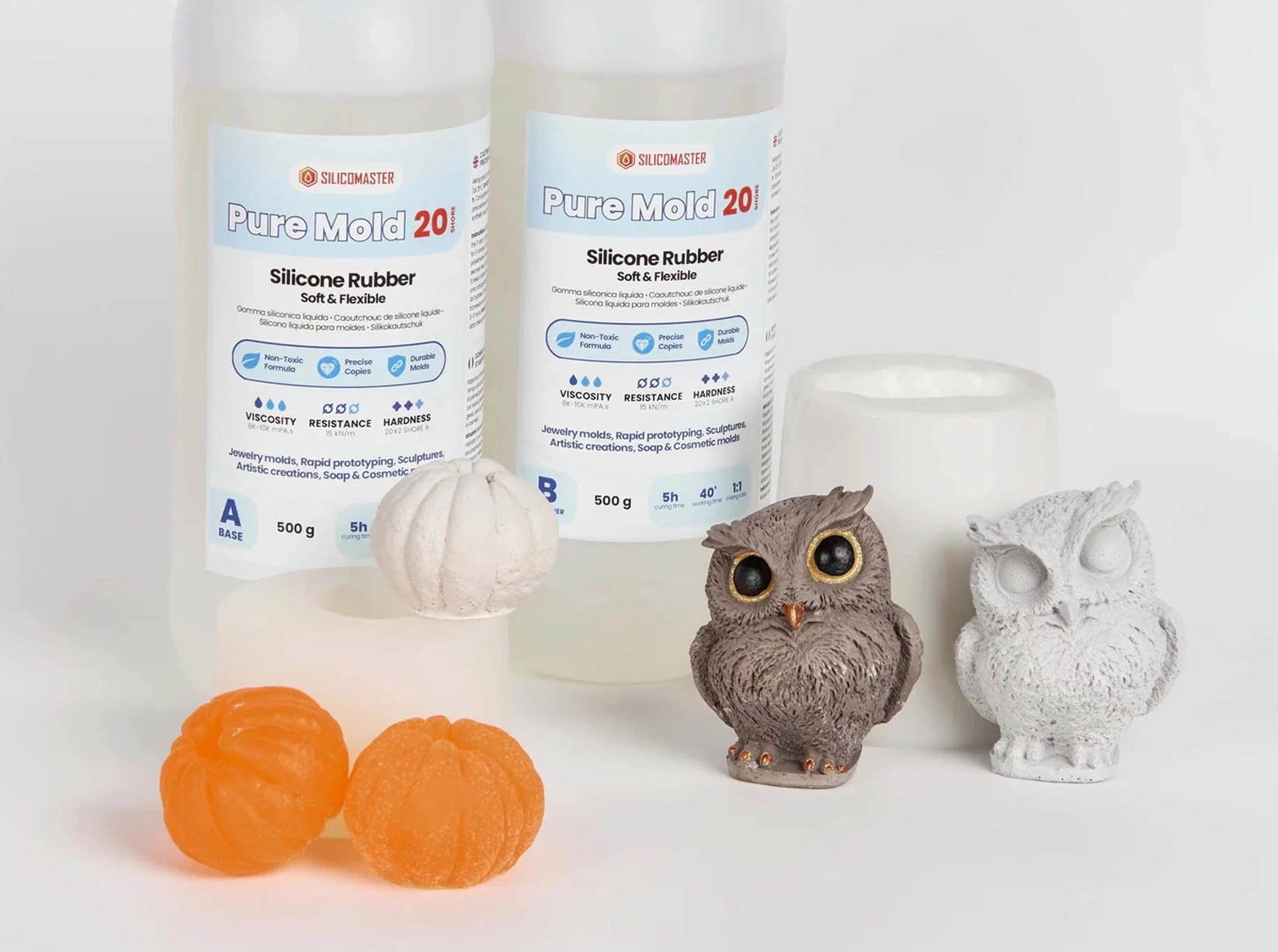
- “Pure Mould” – Translucent Liquid Silicone Rubber for Mould Making: Translucent silicone rubber designed for detailed and reusable moulds compatible with a wide range of casting materials.
- “Mixer Nozzle” – For Mixing Epoxy Glue, 50ml, Araldite 2000 Series Compatible: Practical for accurate mixing of two-part adhesives if reinforcement or structural elements are required.
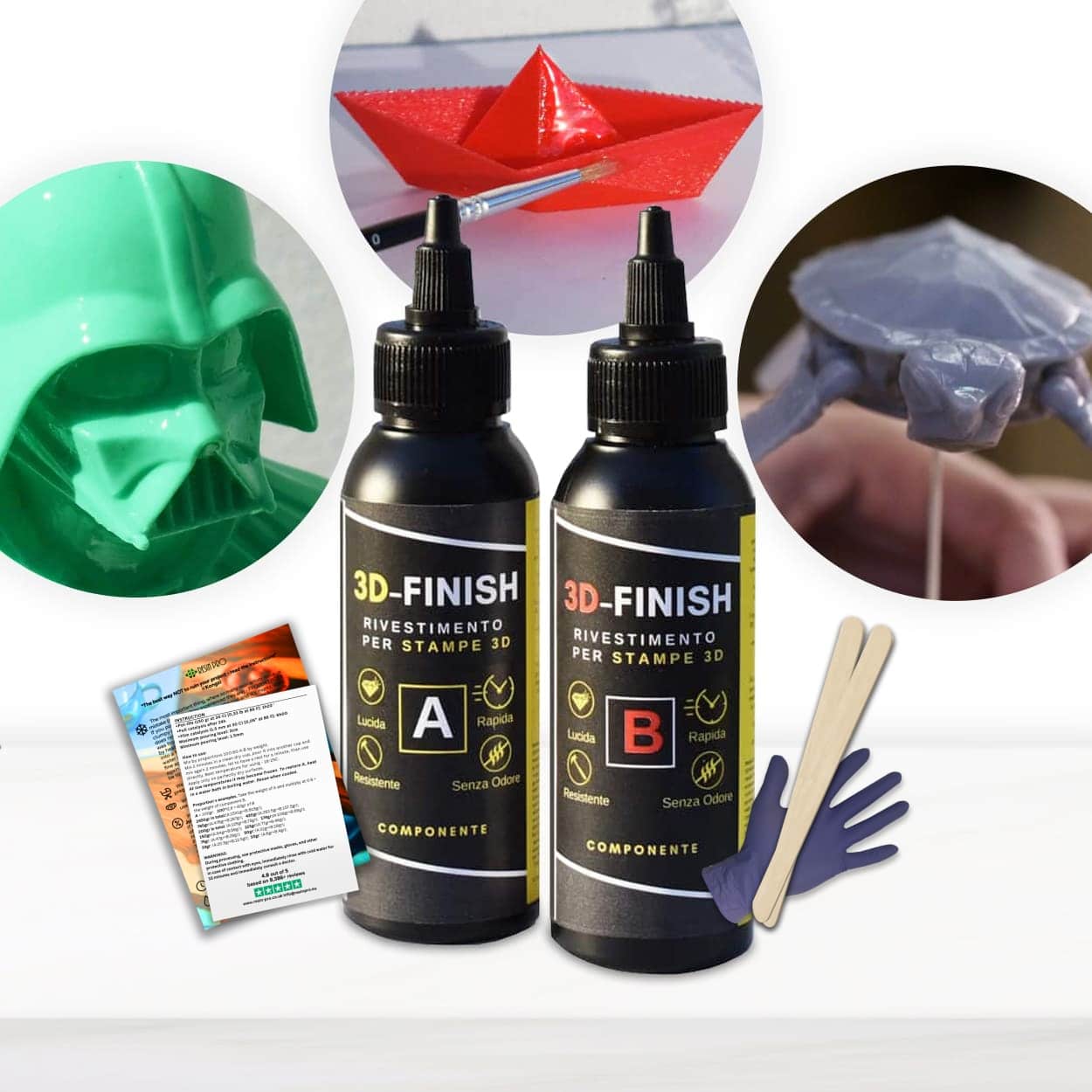
- “3D Finish” – Fast Coating Epoxy Resin for 3D Prints: Used for sealing 3D printed masters to ensure a smooth mould surface.
- “Klebfix” – Two-Component Fast Epoxy Glue 2K, 25g Syringe: Excellent for rapid assembly or repair of master models before moulding.
- Modelling clay or plasticine
- Mould box or barrier system
- Mixing tubs and spatulas
- Release agent (suitable for silicone)
- Disposable gloves and safety protection
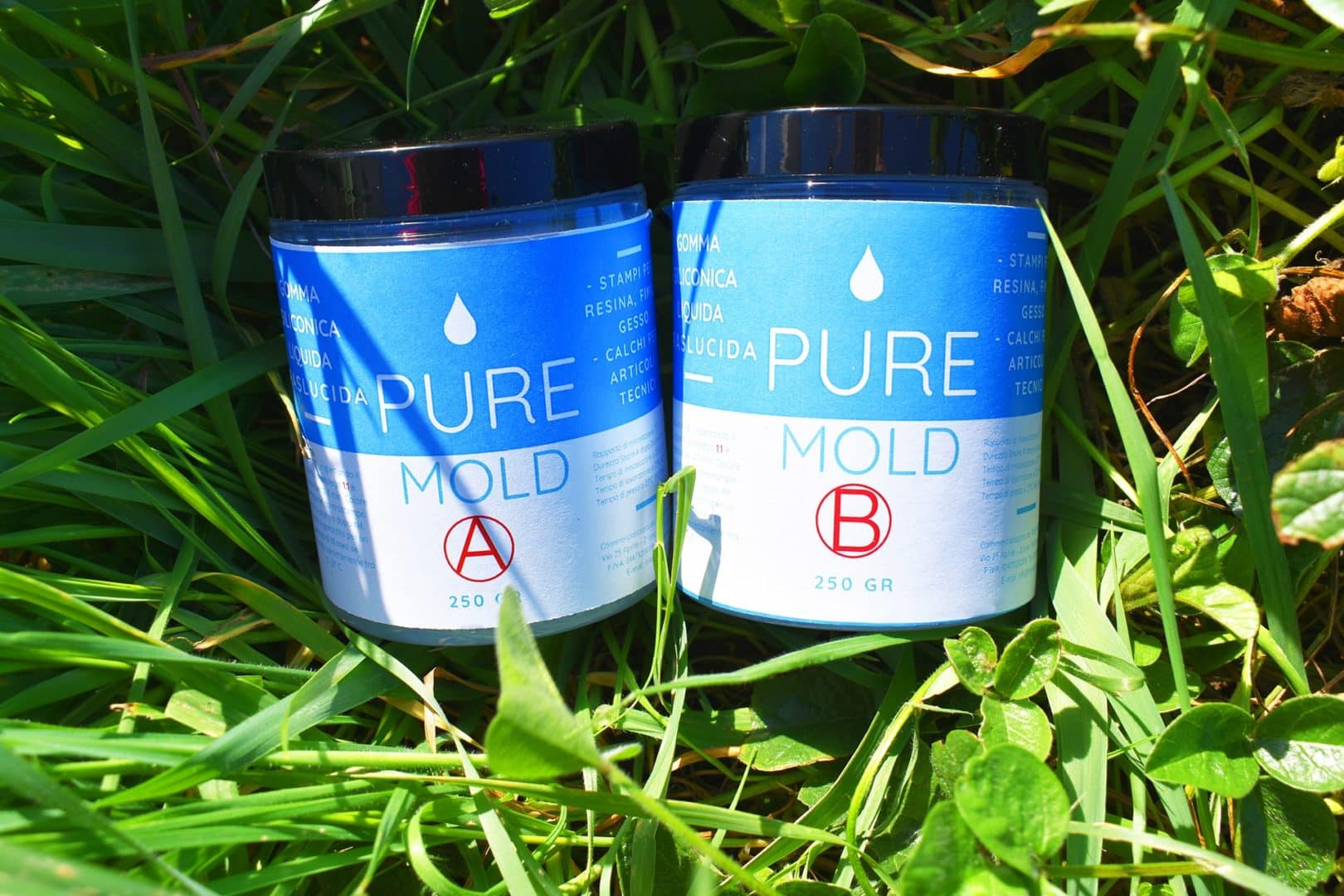
Visualise Your Workspace and Essential Materials
Organising your workstation is vital to successful mould making. Layout all materials, from silicone rubber to mixing tubs and safety equipment, before beginning. A well-lit, level surface helps you achieve precise pours and reduces errors during each stage.
Step 1: Prepare Your Model and Workspace
Choose a flat, dust-free workspace to minimise contamination and errors. Start by cleaning your master model thoroughly, removing dust, grease, or residues. If your master has fine surface details or is 3D printed, applying a thin coat of a specialist sealer like a quick-setting resin can protect and smooth the model. Ensure your work area is equipped for easy movement and has proper ventilation.
If your master pattern is printed (PLA/ABS), use a high-quality surface finish such as a light coat of “3D Finish” – Fast Coating Epoxy Resin for 3D Prints to fill layer lines and protect fine details from capturing unwanted surface roughness in the final mould.
Step 2: Create the First Mould Half
Prepare a non-stick mould box or enclosure that fits the size of your master part, allowing at least 1 cm of space on all sides. Embed half of your master into clay, forming a completely flat surface at the mould’s planned split line. Mark registration keys along the clay bed—these will later ensure perfect alignment between the two halves.
Once your model is set, brush on a thin, even layer of a silicone-compatible release agent over all surfaces that will contact the silicone. This is critical for easy removal and to prevent sticking.
Step 3: Mix and Pour the Silicone Rubber
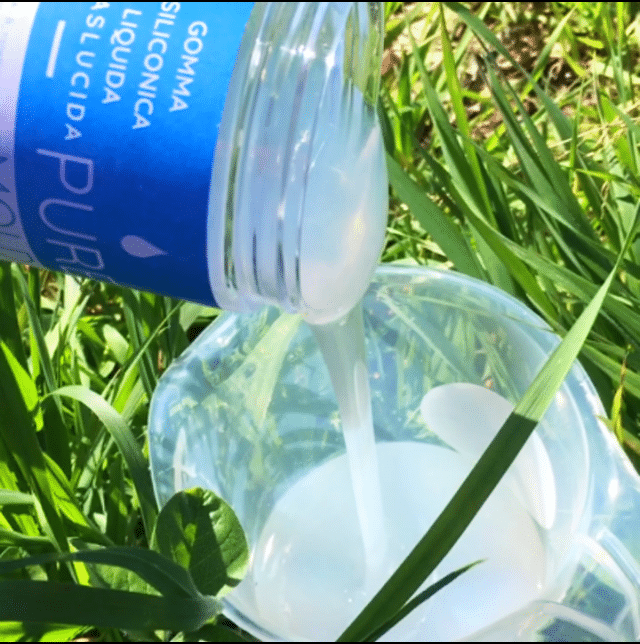
Measure your silicone using a precise 1:1 mixing ratio, ensuring accuracy to achieve optimal curing and flexibility. Use two clean containers and blend the “Pure Mould” – Translucent Liquid Silicone Rubber for Mould Making together thoroughly, scraping the container sides to avoid unmixed residue, which may cause soft spots.
Pour the mixed silicone slowly from a height to minimise air bubbles, covering the master and keys completely. Allow the first silicone half to cure fully according to the manufacturer’s guidelines—usually between 3–8 hours depending on temperature and batch size. Do not disturb the set-up during this period.
Step 4: Prepare and Cast the Second Mould Half
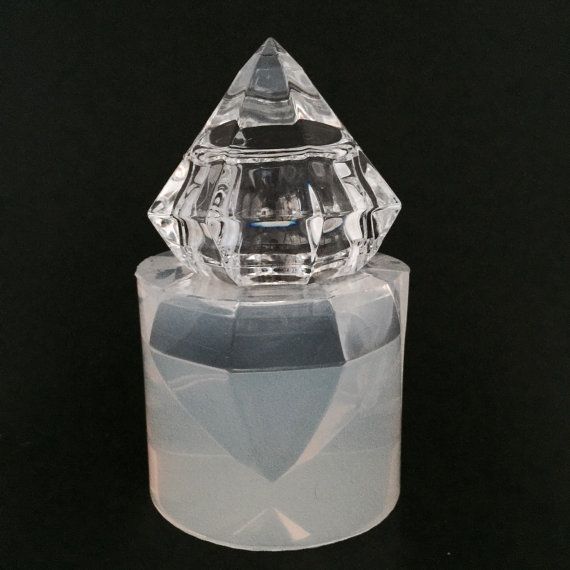
Once the first half is cured, gently invert the mould, remove the clay, and clean away any debris. Ensure your master remains in place within the cured silicone. Seal any gaps with clay and apply keys to the newly exposed side if needed.
Apply a fresh layer of release agent over all silicone and master surfaces. Mix a new batch of silicone in the same way as before, and pour the second silicone half gently to avoid trapping air bubbles. Allow to cure completely without movement until solid.
Step 5: Open the Mould and Inspect
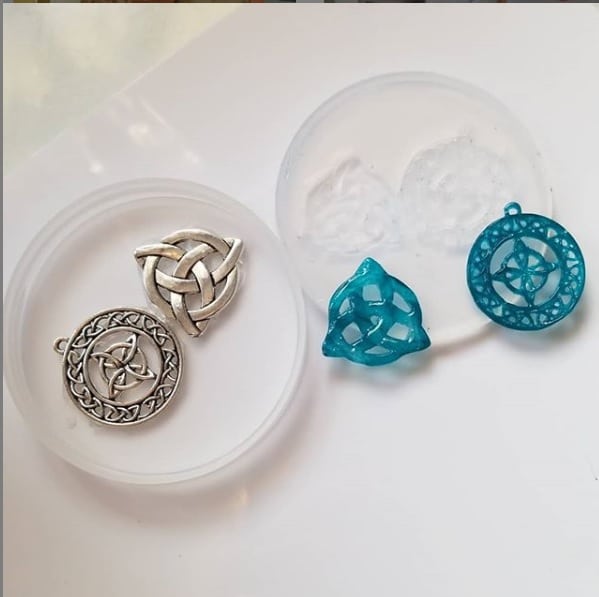
After both halves have cured, carefully remove the mould from the box. Gently prise apart the two silicone halves at the split line. Unmould with care to avoid distorting delicate details. Inspect for sharp edges, proper key alignment, and any trapped air pockets.
For any small repairs or to bond insert features before casting, a fast-setting epoxy such as “Klebfix” – Two-Component Fast Epoxy Glue 2K, 25g Syringe may be used on rigid model features—but only in non-flexing applications.
Tips and Troubleshooting for Successful Two-Part Moulds
Pay special attention to mark and plan your mould split line carefully to ensure the mould comes apart cleanly and doesn’t trap undercuts. Avoid rushing the curing process; silicone that is not fully set is prone to deformation. If bubbles appear, degassing or slow pouring in a thin stream helps reduce air entrapment.
Mix all components slowly and thoroughly. When using cartridges or two-part glues, a “Mixer Nozzle” – For Mixing Epoxy Glue, 50ml, Araldite 2000 Series Compatible can greatly improve mix accuracy, minimising waste and errors. Always use suitable PPE and ensure good ventilation when working with resins or adhesives.
Expert Tips for Smooth Mould-Making Results
Plan registration keys and split lines in advance for precise alignment and easy mould release. Take time to carefully mix and pour silicone, and always allow full curing before separating the mould halves for flawless reproduction.
- "Pure Mould" – Translucent Liquid Silicone Rubber for Mould MakingPrice range: £22.85 through £158.85"Pure Mould" is a translucent silicone rubber designed for mould making with various materials and suitable for professional and hobby use.
 "Mixer Nozzle" – For Mixing Epoxy Glue, 50ml, Araldite 2000 Series Compatible£1.45This epoxy mixer nozzle suits 50ml cartridges of Araldite 2000 series and bayonet types, for use in resin mould preparations.
- "3D Finish" – Fast Coating Epoxy Resin for 3D PrintsPrice range: £12.85 through £18.85"3D Finish" is an epoxy resin coating designed for 3D printed models, suitable to enhance details and visual quality while curing in four hours.
 "Klebfix" – Two-Component Fast Epoxy Glue 2K, 25g Syringe£22.85KLEBFIX 2K Fast Epoxy Glue provides professional-strength bonding for various materials with a simple 1:1 dosing syringe.
Frequently Asked Questions
What silicone is best for making detailed two-part moulds?
Translucent platinum-based silicone, like Pure Mould, is ideal due to its flexibility, detail accuracy, and reliable demoulding.
How can I avoid bubbles when casting silicone moulds?
Pour slowly in a thin stream and mix gently to reduce air entrapment. Degas silicone if possible for professional results.
Should I seal my 3D printed models before mould making?
Yes, sealing prevents the silicone from capturing print lines and helps produce a smooth, professional mould surface.
Why add keys to each mould half?
Registration keys ensure that both mould halves align perfectly every time, preventing leaks and misaligned castings.
Do I need a release agent for silicone moulds?
A release agent is essential between mould halves to prevent them sticking together and to help unmould the master safely.
What is the fastest way to mix two-part epoxy accurately?
Using a mixer nozzle ensures rapid, thorough blending and reduces the risk of incomplete mix or air entrainment.