 Free shipping on orders over £29,85
  Shipping Tracking!


 Google
 Facebook
How do you make resin moulds in modelling?
A step-by-step guide for detailed and durable custom moulds
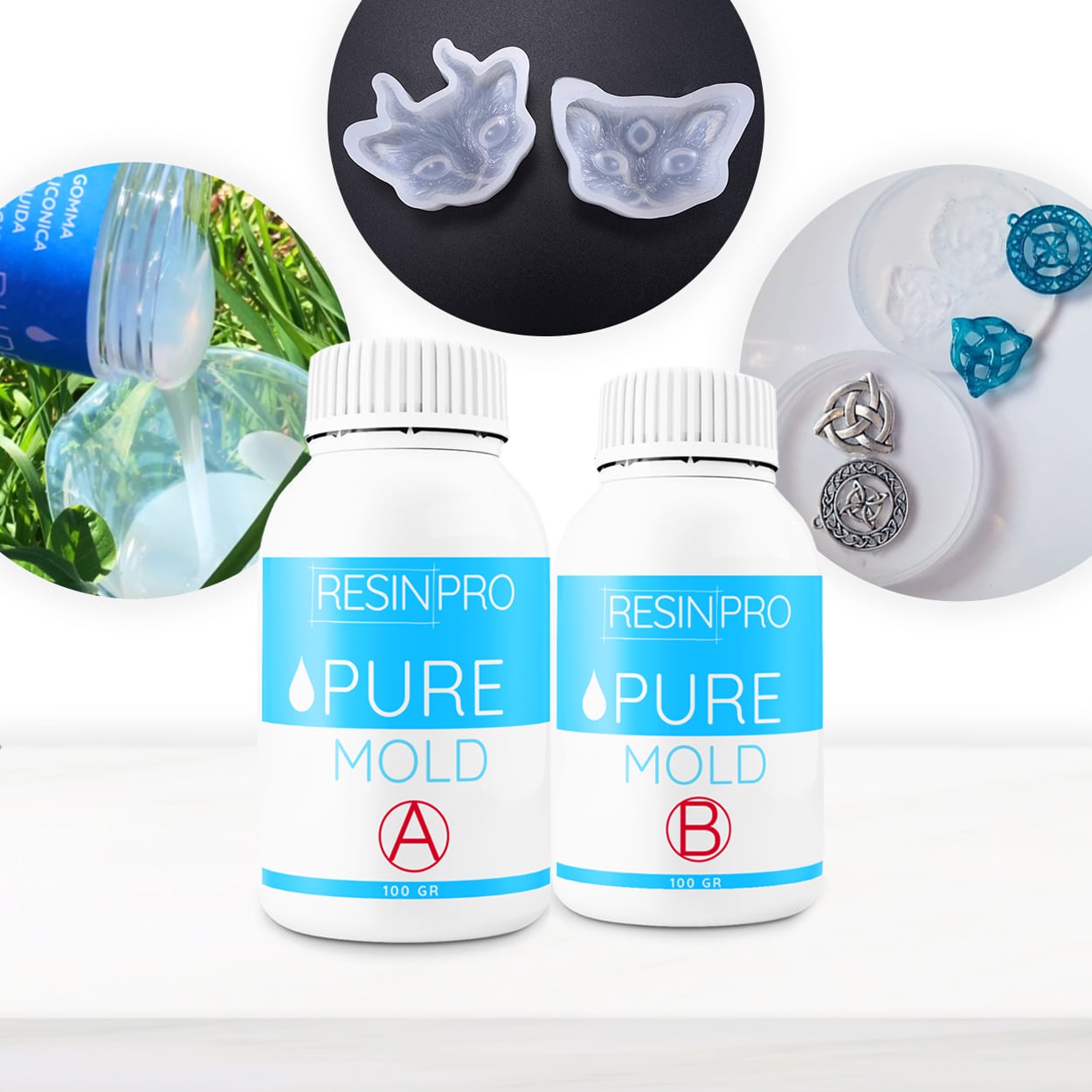

Creating your own resin moulds opens up endless opportunities in modelling, from replicating intricate details to producing custom shapes and components. Whether you are crafting miniatures, jewellery, prototypes or unique art pieces, mastering this technique ensures precision and repeatability in your projects.
What You’ll Need
- “Pure Mould” – Translucent Liquid Silicone Rubber for Mould Making: For capturing fine detail and complex shapes.
- “I–Gum” – Non-Toxic Silicone Putty for Mould Making: Ideal for quick, glove-free hands-on work with simple or small models.
- “3D Finish” – Fast Coating Epoxy Resin for 3D Prints: Used to seal 3D printed masters for a smoother mould surface.
- “IWhite” – Polyurethane Casting Resin – White, Fast-Curing Two-Part System: For casting your final replica into the completed mould.
- Model piece (the object you wish to mould)
- Mixing cups and stirring sticks
- Protective gloves and apron
- Mould box or frame (sized larger than your model)
- Release agent (if needed)
- Sharp blade or craft knife
- Kitchen scales (for measuring components accurately)
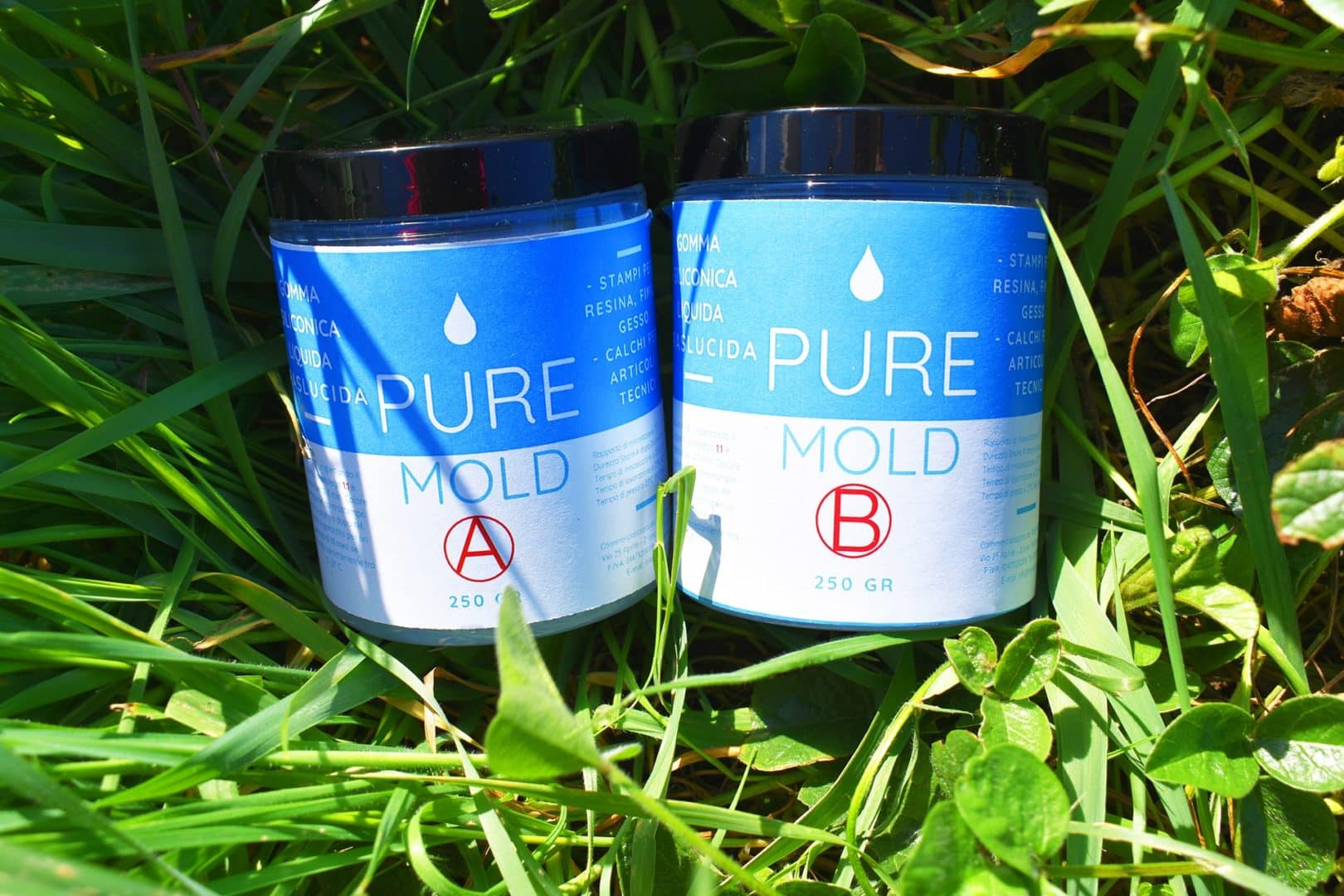
Video Demo: Mixing and Pouring Silicone Moulds
Watch a quick demonstration of mixing a 1:1 ratio of translucent silicone rubber and pouring it around a model to see the bubble-minimising technique in action. This visual guide highlights proper mixing, safe handling and pouring methods for optimal detail reproduction.
Step 1: Prepare Your Model and Workspace
Start by ensuring your model—whether it’s a 3D print or hand-sculpted piece—is clean and free of dust or grease. This prevents flaws in your final mould. Place your model on a flat surface within a suitable containment, such as a mould box or frame, allowing space around all sides to form a solid silicone wall.
If your model has small layer lines from 3D printing, consider coating it with a layer of “3D Finish” – Fast Coating Epoxy Resin for 3D Prints to smooth the surface and enhance detail transfer.
Work in a tidy, well-ventilated space and cover your surfaces. Gather all tools and wear gloves to keep everything clean and safe.
Step 2: Mix and Apply the Silicone or Putty
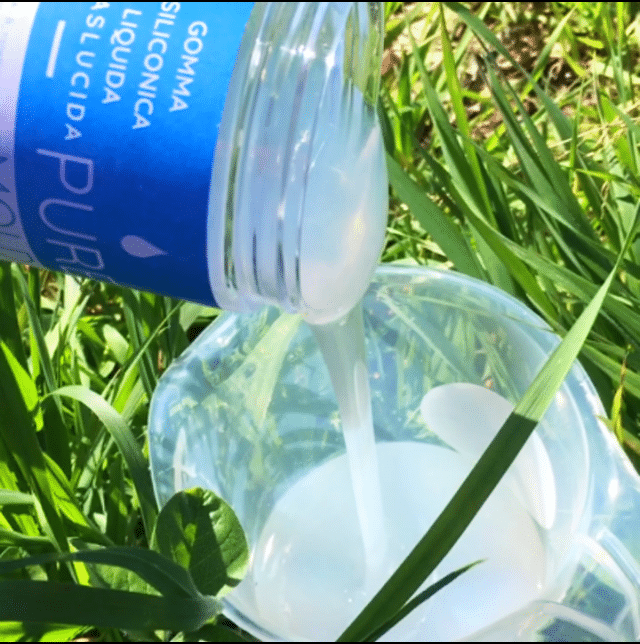
Choose your mould-making material based on the model and detail required. For intricate or undercut designs, use “Pure Mould” – Translucent Liquid Silicone Rubber for Mould Making, mixing equal parts (1:1 ratio) of both components in a clean cup. Stir slowly to avoid trapping air bubbles. Pour gently from a height to help pop surface bubbles and fill the mould box evenly around your model.
For simpler, small objects, “I–Gum” – Non-Toxic Silicone Putty for Mould Making is ideal. Knead equal parts until uniformly coloured, then press directly onto your model. The putty sets quickly, allowing fast demoulding—perfect for fast prototyping or smaller shapes.
Step 3: Cure and Demould Safely
Allow your silicone or putty to cure fully. Curing times vary: translucent silicone rubber sets in roughly 3-8 hours, while non-toxic putty firms up in around 20 minutes. Follow package guidelines, and do not rush this stage for best detail reproduction. Keep your workspace undisturbed during curing to avoid warping or imperfections.
Once cured, carefully disassemble your mould box or remove the putty, gently separating the mould from the model. If necessary, use a release agent for complex or delicate items to aid demoulding without tearing the mould.
Step 4: Cast Your Resin Replicas
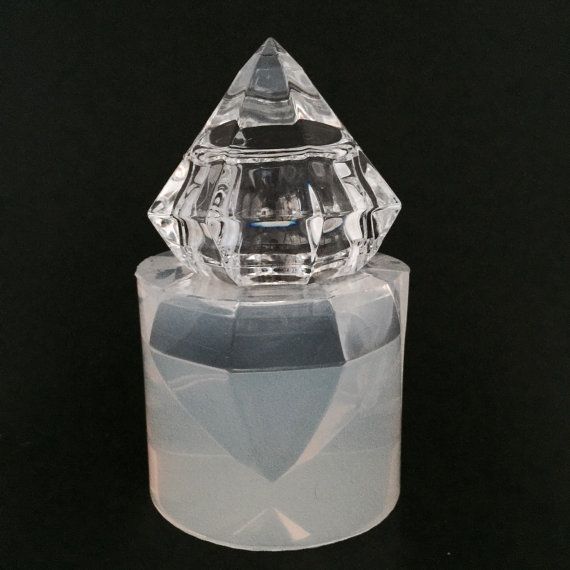
With the mould ready, ensure it is clean and dry before use. Prepare your casting resin according to instructions. A fast-curing, highly fluid resin such as “IWhite” – Polyurethane Casting Resin – White, Fast-Curing Two-Part System is ideal for speedy, detailed model production. Mix the two components in the proper ratio, then pour carefully into your mould.
Watch for air bubbles in the resin; tapping the mould lightly can help release trapped air for a flawless finish. Allow the casting to fully harden before demoulding and, if needed, trim or finish your replica after removal.
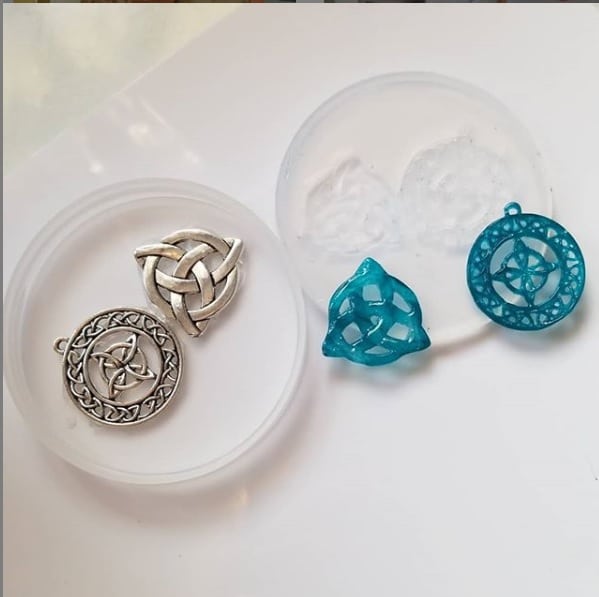
Tips and Troubleshooting for Mould Making
Always measure your silicone or putty accurately. Even slight variations can affect the curing and durability of your mould.
Work in a well-ventilated area and wear protective gloves. Some resins and silicones can irritate the skin or produce odours.
Poor mould release can often be traced to skipping the release agent, especially with models that have intricate details or contrasting materials. Properly release the model before pouring resin to prevent sticking.
If bubbles appear in the finished mould, it’s usually due to fast or aggressive mixing. Remove air bubbles for a flawless mould finish.
Storing silicone moulds away from heat and sunlight can greatly extend their lifespan and performance for repetitive casting projects.
Gallery: Successes and Common Pitfalls in Mould Making
Explore side-by-side images showing crisp, bubble-free moulds and common mistakes such as air pockets, torn edges or incomplete curing. Study these examples to perfect your own resin mould making process and troubleshoot issues as they arise.
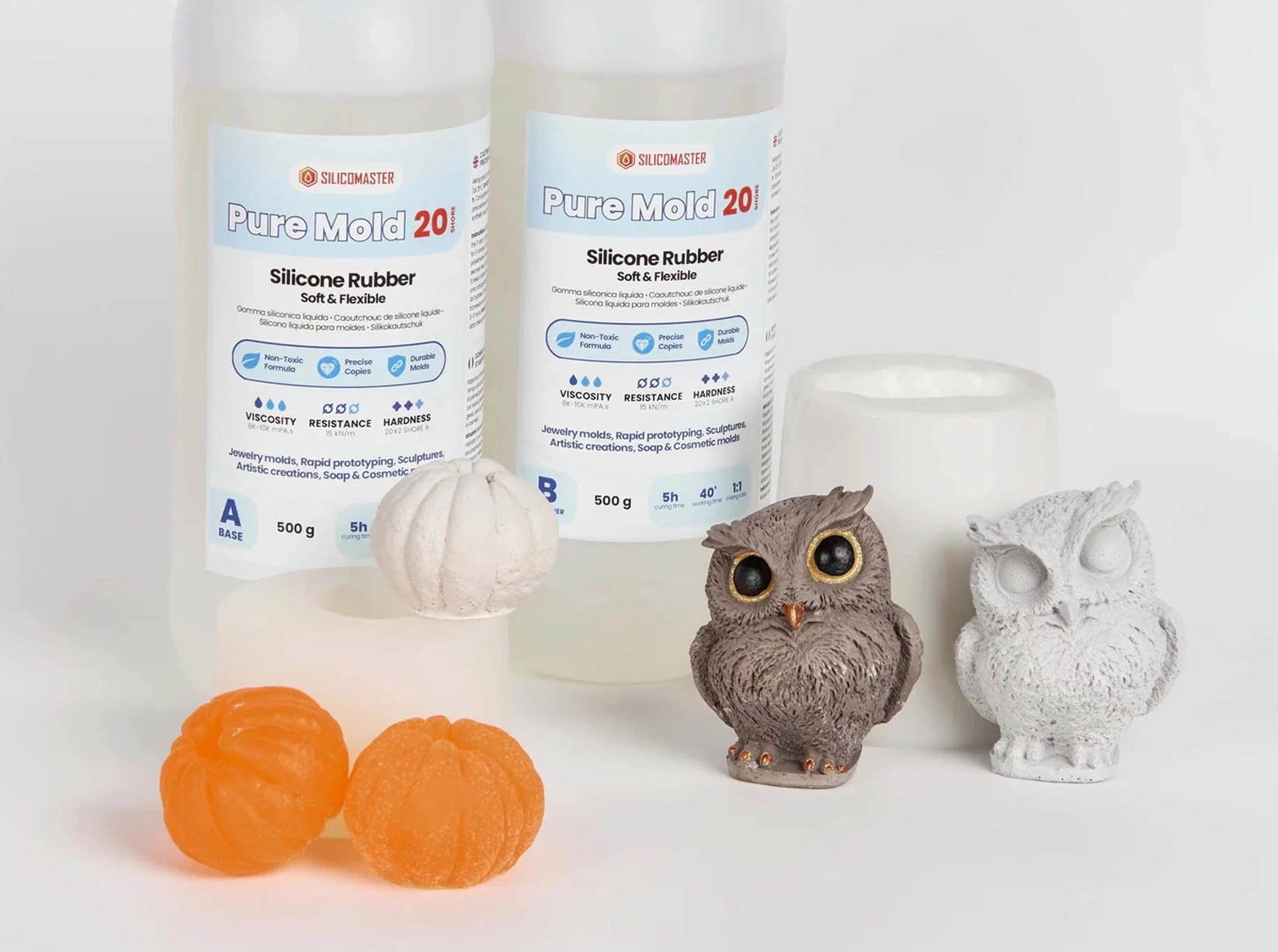
- "Pure Mould" – Translucent Liquid Silicone Rubber for Mould MakingPrice range: £22.85 through £158.85"Pure Mould" is a translucent liquid silicone rubber suitable for detailed mould making and compatible with various materials.
- "I–Gum" – Non-Toxic Silicone Putty for Mould MakingPrice range: £22.85 through £99.85"I–Gum" is a non-toxic silicone putty designed for mould making, suitable for resin and other materials within the modelling context.
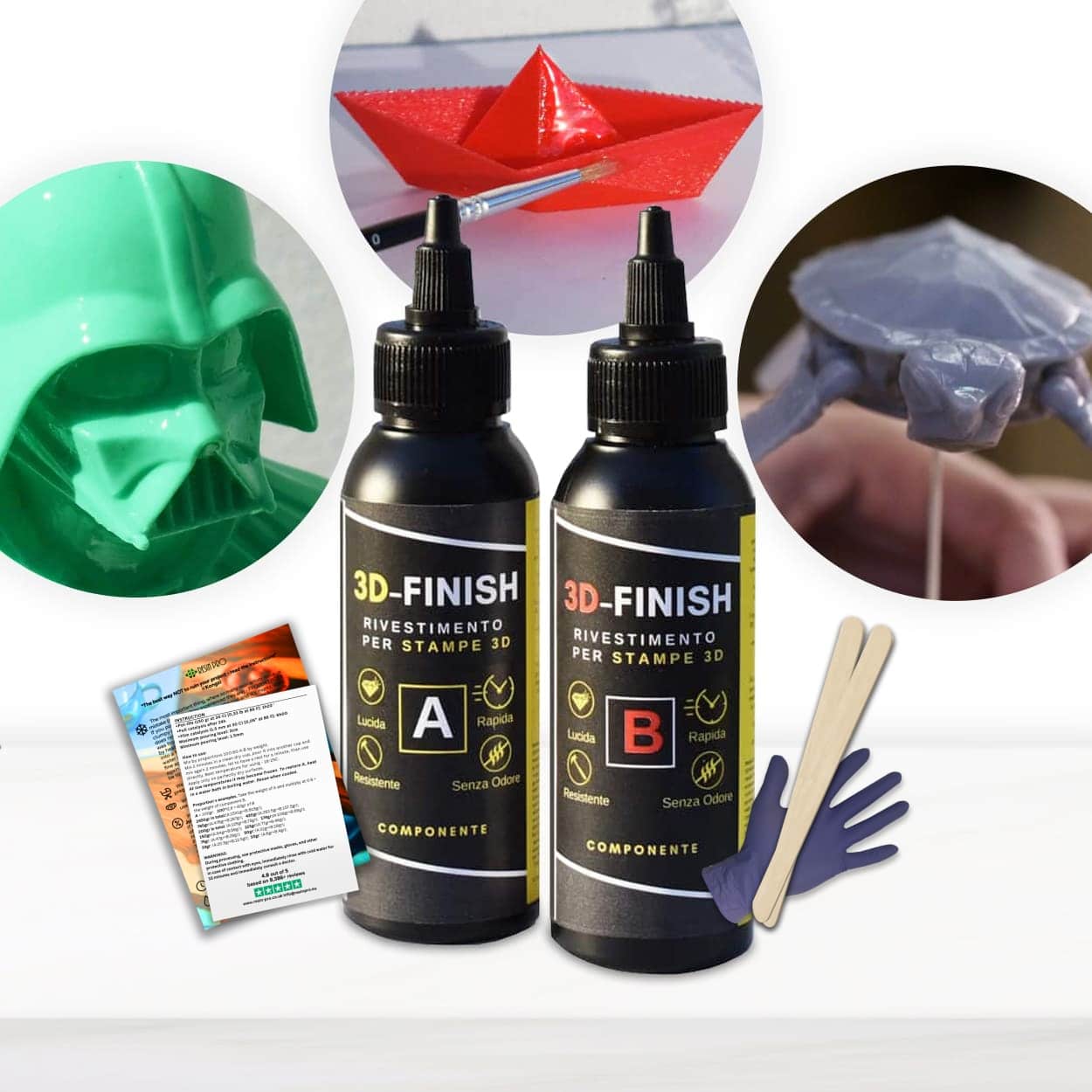 "3D Finish" – Fast Coating Epoxy Resin for 3D PrintsPrice range: £12.85 through £18.85"3D Finish" offers a non-drip, fast-curing coating that preserves details and improves finishes on 3D printed models.
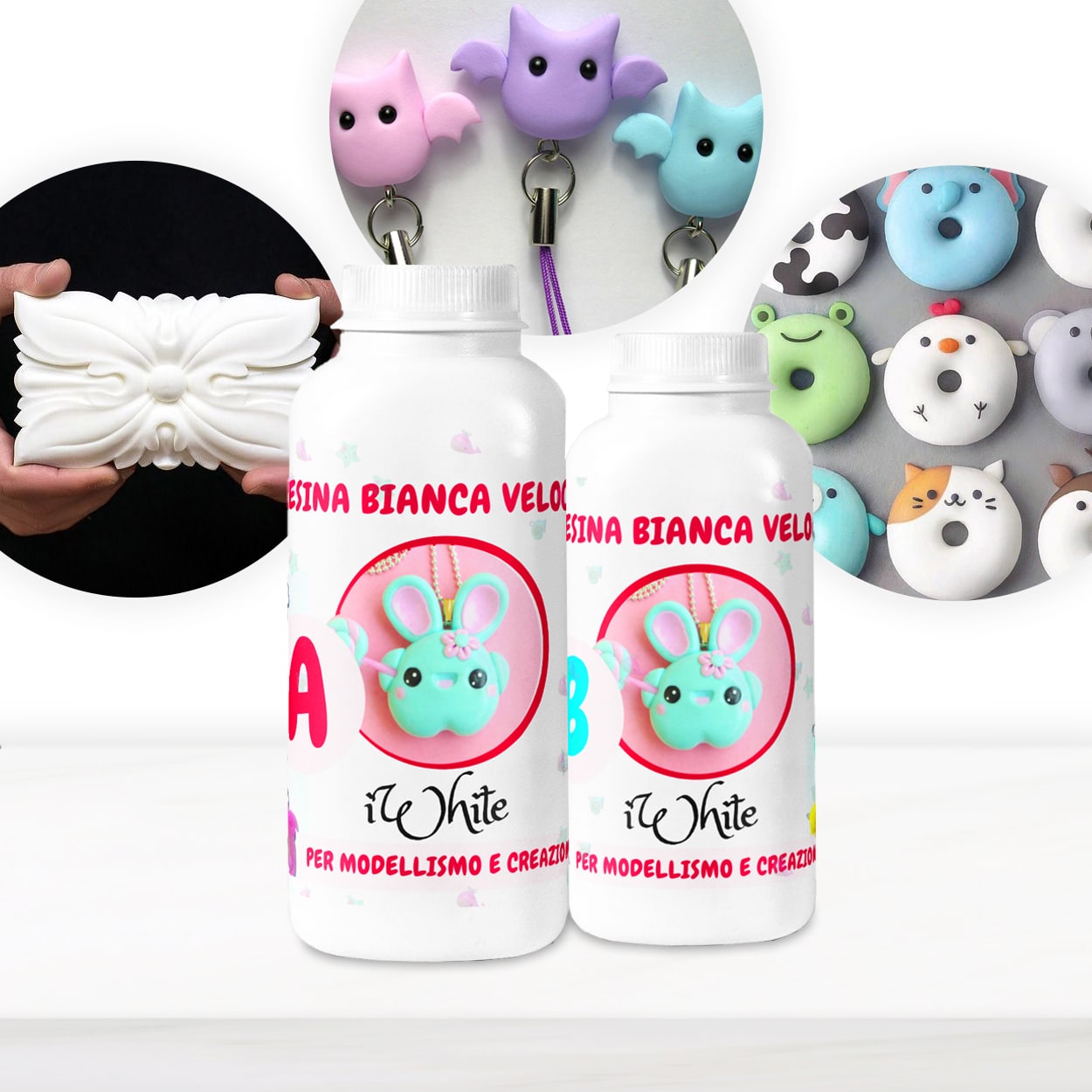 “IWhite” – Polyurethane Casting Resin – White, Fast-Curing Two-Part SystemPrice range: £22.85 through £34.85Fast-curing polyurethane resin designed for precise moulding, ideal for model makers and hobbyists focusing on rapid detailed casting.
Frequently Asked Questions
What is the best silicone for resin moulds in modelling?
Translucent liquid silicone rubber offers high detail capture, especially for complex shapes with undercuts.
How long does silicone take to cure for moulds?
Curing can take from 20 minutes for putty to up to 8 hours for liquid silicone rubber, depending on the product and room temperature.
How do I ensure my resin model releases from the mould?
Use a release agent on the model before pouring silicone, especially for detailed or porous surfaces.
How do I remove air bubbles from my silicone mould?
Mix the silicone slowly and pour from a height in a steady stream to help bubbles escape before setting.
When do I need a release agent with silicone moulds?
Release agents are essential for complex or multi-part models and for any instance where sticking may occur.
Can I cast both epoxy and polyurethane resins in silicone moulds?
Yes, silicone moulds are compatible with both epoxy and polyurethane resins for accurate, smooth casts.
How many times can you use a silicone mould?
With careful handling and correct materials, silicone moulds can be used multiple times for repeated casting.