 Free shipping on orders over £29,85
  Shipping Tracking!


 Google
 Facebook
How to apply resin on floors?
Step-by-step process for strong, water-draining resin floors

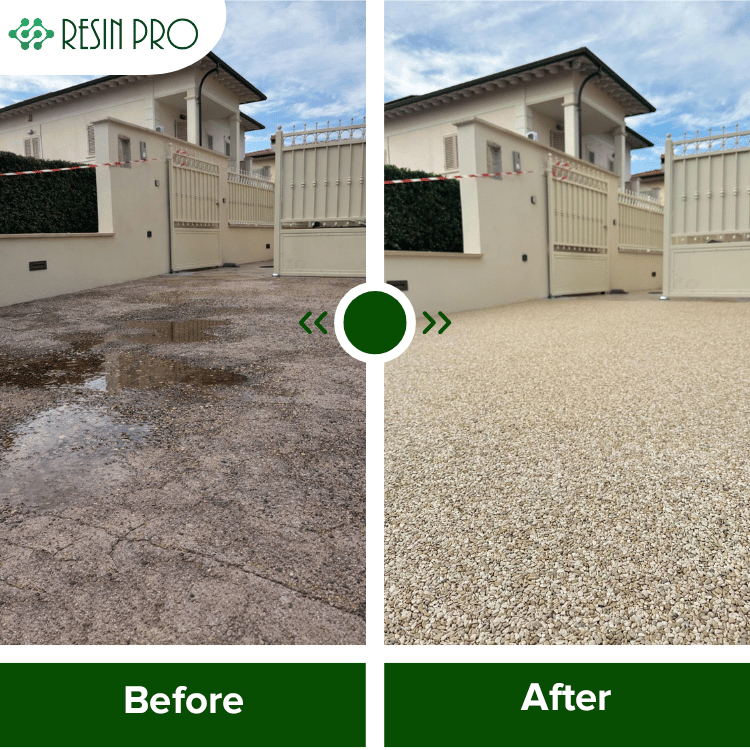
Transforming your driveway, path, or patio with a resin-bound surface creates a modern, attractive, and water-draining floor that stands up to British weather. Whether you’re tackling a DIY home project or refreshing an outdoor commercial area, proper preparation and technique will deliver a durable result. This guide covers everything you need to know— from managing your surface through to mixing and laying your chosen resin system—so you can achieve a seamless and lasting finish.
What You’ll Need
- “Flowstone” – Complete Permeable Floor Kit with Pebbles and Resin – A comprehensive kit for creating robust, decorative, and permeable pebble floors outdoors.
- “Epoxyprimer” – Universal Water-Based Two-Component Epoxy Floor Primer – Ensures solid adhesion and stability for substrates like concrete or screed.
- “Trasparente” – Epoxy Binder for Coloured Pebbles and Grits – Delivers a clear, UV-resistant bond for coloured stones and decorative surfaces.
- “Polirock” – Polyurethane Binder for White Stones, 2kg Two-Component Kit – Specially formulated for outdoor floors with white or light natural aggregates.
- Protective gloves, trowel or float, mixing bucket or cement mixer (for larger areas).
- Masking tape, dustpan and brush, and clean-up cloths.
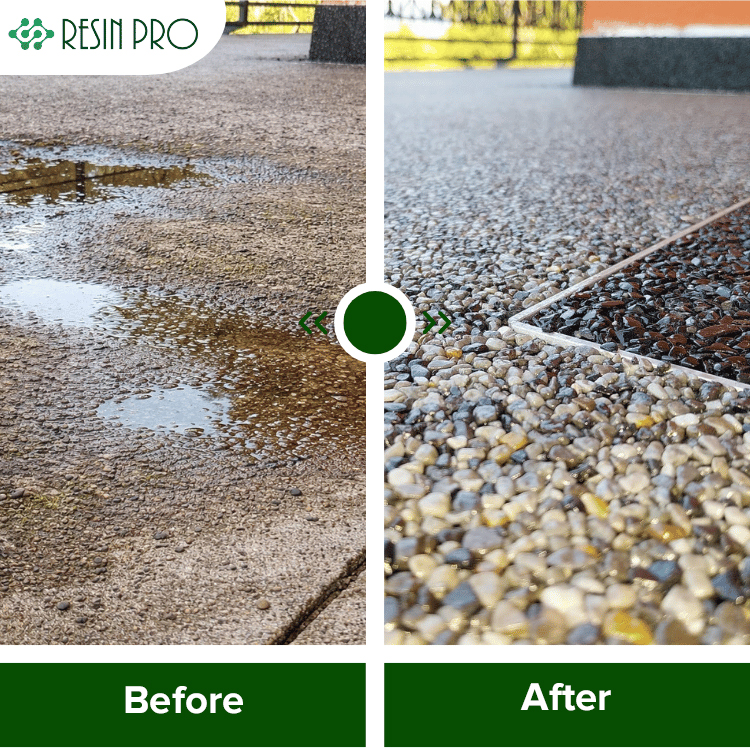
See Real-Life Resin Floor Transformations
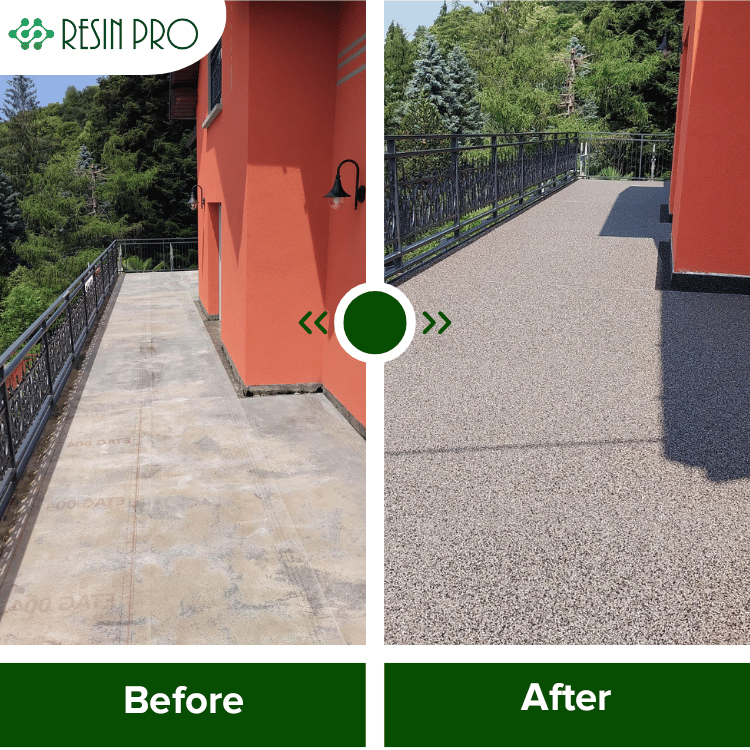
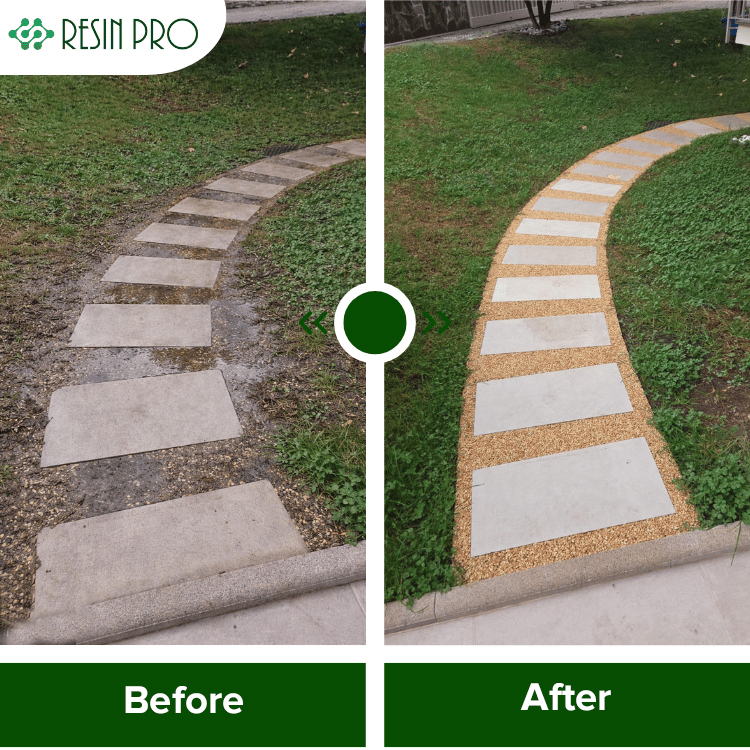
Explore our gallery to view outdoor and indoor resin floor projects—from driveways to patios—showcasing seamless finishes and the versatility of resin-bound solutions.
Step 1: Prepare the Surface Thoroughly
Ensure your surface is clean, level, and free from loose debris. Start by brushing or vacuuming the floor, removing any weeds, oils, moss, or dirt. For best results, fill in holes, repair cracks, and confirm the base is even—resin-bound floors require a stable foundation.
For outdoor installations, make sure the substrate allows drainage or is adequately sloped to direct water run-off. If you’re dealing with a porous surface such as concrete or screed, moisture content should be minimal, as excess dampness can affect adhesion and curing.
If your project involves indoor or sensitive surfaces like newly laid concrete, priming is highly advisable. Epoxyprimer – Universal Water-Based Two-Component Epoxy Floor Primer delivers strong adhesion and prevents future delamination, especially on substrates like tiles, timber, or screeds.
"Flowstone" – Complete Permeable Floor Kit with Pebbles and Resin
A kit for creating durable, permeable, draining pebble flooring with resin, suitable for UK outdoor environments.
Step 2: Mix Your Resin Binder and Aggregate
Mix your resin binder and chosen stones thoroughly. Resin-bound floors combine a two-part binder with decorative aggregates (stones, grits, pebbles). Always follow the resin manufacturer’s recommended mixing ratios—typically, about 3% resin by weight of aggregate for optimal strength and permeability. Use a clean bucket or a cement mixer for larger projects.
If using coloured stones or grits, opt for “Trasparente” – Epoxy Binder for Coloured Pebbles and Grits for a transparent, UV-resistant finish. For white or light gravel, select “Polirock” – Polyurethane Binder for White Stones to maintain true colour over time.
Pour the resin components together and mix thoroughly before adding your aggregate. Once the resin is activated, combine with aggregates and continue mixing until every stone is uniformly coated. Work swiftly, as open resin mixtures have a limited working time before starting to cure.
Step 3: Apply the Resin-Aggregate Mix Evenly
Apply the resin mix evenly, spreading to your desired thickness. Pour the blended material onto the prepared surface in manageable sections. Use a trowel or float to spread and compact the mix to the required depth, aiming for a level and seamlessly packed layer. Aim for a standard thickness, typically 15–20mm, but always confirm specific floor and usage requirements.
Work in small areas, overlapping slightly to prevent visible joins. Apply gentle but firm pressure to ensure a compact, even surface with tight aggregate distribution. Regularly wipe tools to reduce resin build-up and create a neat finish.
"Flowstone" – Complete Permeable Floor Kit with Pebbles and Resin
A kit for creating durable, permeable, draining pebble flooring with resin, suitable for UK outdoor environments.

Step 4: Cure and Protect the Resin Floor
Protect your new resin floor from weather and traffic during curing. Allow the floor to cure undisturbed for the period specified by your resin system—generally 24–48 hours for foot traffic, with longer times needed for driveways or vehicle access. Check the weather before starting an outdoor project, and cover the area if rain is forecast within the curing window.
Once fully hardened, gently remove masking and clean up the area. Your resin-bound floor is now ready for use, offering a slip-resistant, visually appealing, and easy-to-maintain surface resistant to the elements.
Tips, Common Mistakes, and Troubleshooting
Plan every step in advance and check weather forecasts before outdoor applications. Use scales for precise resin and aggregate ratios and avoid over-watering the site. Incomplete mixing can cause patchy or weak areas—mix thoroughly and work briskly to stay within working time limits. Always adhere to curing schedules and avoid early use, as incomplete hardening can lead to marks or weak spots.
For surfaces susceptible to movement, always prime, and never pour resin onto wet or dirty substrates. If you observe bubbling or discolouration, check for trapped moisture or overworked resin. Resist the urge to over-trowel, as it may cause surface imperfections.

"Epoxyprimer" – Universal Water-Based Two-Component Epoxy Floor Primer
A water-based epoxy floor primer that supports durable and stable adhesion for indoor floor surfaces.
Expert Tips for Flawless Resin Floor Application
Our specialists recommend planning your installation in mild, dry weather and carefully following product-specific mixing and curing instructions for durable, long-lasting results.
- "Flowstone" – Complete Permeable Floor Kit with Pebbles and ResinPrice range: £42.85 through £3,389.85"Flowstone" provides a permeable pebble and resin system for outdoor floors with step-by-step guidance suited to varied skill levels.
- "Epoxyprimer" – Universal Water-Based Two-Component Epoxy Floor PrimerPrice range: £148.84 through £272.45"Epoxyprimer" is a water-based two-component epoxy floor primer designed for versatile use and reliable adhesion on various indoor surfaces.
 "Trasparente" – Epoxy Binder for Coloured Pebbles and GritsPrice range: £31.85 through £948.85"Trasparente" is a transparent epoxy binder designed for coloured pebbles and grits, delivering a clear, bubble-free finish with UV resistance.
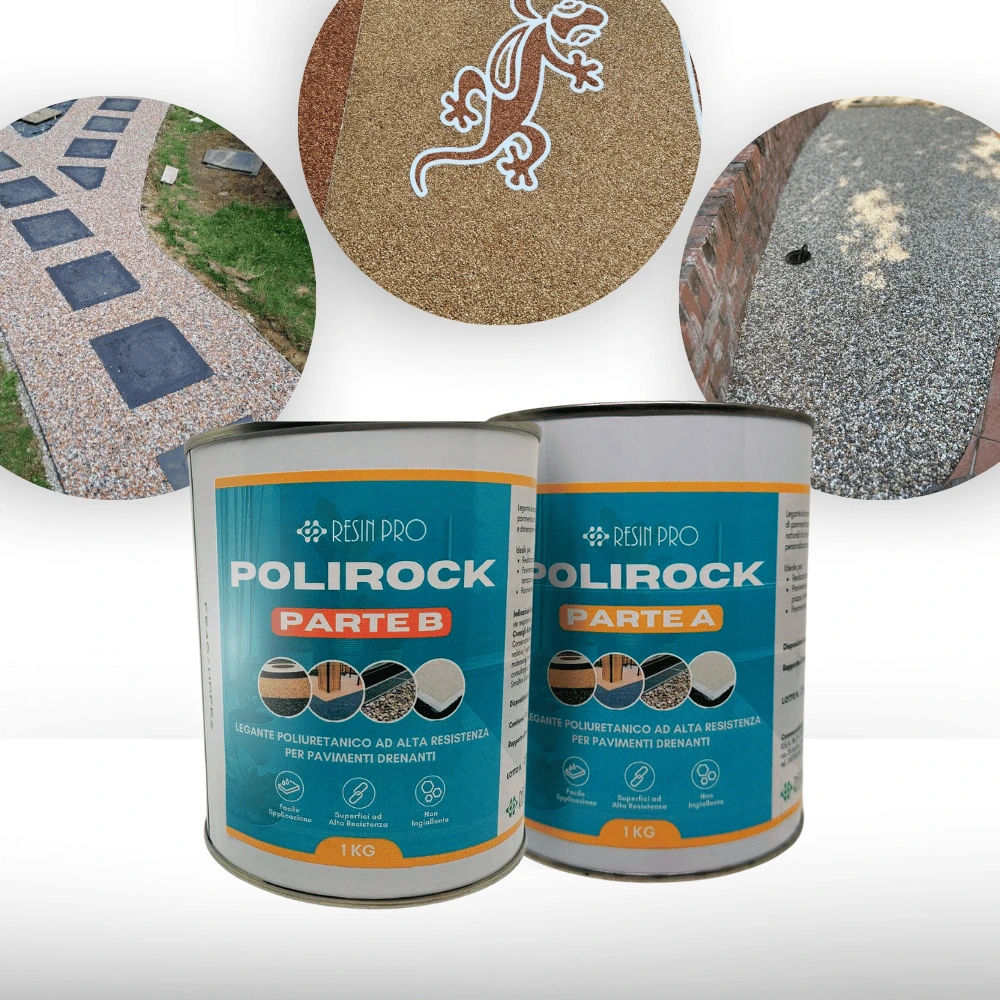 "Polirock" – Polyurethane Binder for White Stones, 2kg Two-Component Kit£58.85"Polirock" binder is designed for decorative, permeable outdoor stone surfaces, suitable for professional and DIY use.
Frequently Asked Questions
Can I apply resin on any floor type?
Resin can be applied on many surfaces, including concrete, screed, tiles, and timber. However, proper preparation is essential. Porous or damaged bases should be primed and repaired for best adhesion and durability. Some surfaces may need a primer such as Epoxyprimer before resin application.
How long does resin take to cure on floors?
Curing time depends on the resin system and ambient conditions, but most require 24–48 hours for foot traffic. Avoid use or exposure to rain until the resin is fully set—always follow the product's guide for best results.
What tools are needed for resin-bound floor installation?
Basic tools include gloves, a mixing vessel or cement mixer, a trowel or float for spreading, and cleaning cloths. For larger areas, using a cement mixer ensures thorough blending of the resin and aggregates.
How do I prevent bubbles or rough patches in the resin floor?
Bubbles often occur due to trapped air or dampness, so start with a dry, clean surface. Mix and lay promptly, and avoid over-trowelling which can cause surface marks. Adequate priming helps improve the final result.
Is resin flooring safe for outdoor weather conditions?
Yes, using correct binders such as Trasparente or Polirock, resin-bound surfaces are UV-resistant, weatherproof, and highly durable, ideal for UK conditions. Ensure appropriate drainage is maintained and avoid waterlogging during curing.
What is the best way to clean and maintain a resin-bound floor?
Sweep regularly to remove loose debris, use a mild detergent for marks, and rinse occasionally with clean water. Avoid harsh chemicals and pressure washing unless permitted by your resin manufacturer.