 Free shipping on orders over £29,85
  Shipping Tracking!


 Google
 Facebook
How to apply resin on the floor?
Step-by-step guide to quality, durable DIY resin flooring

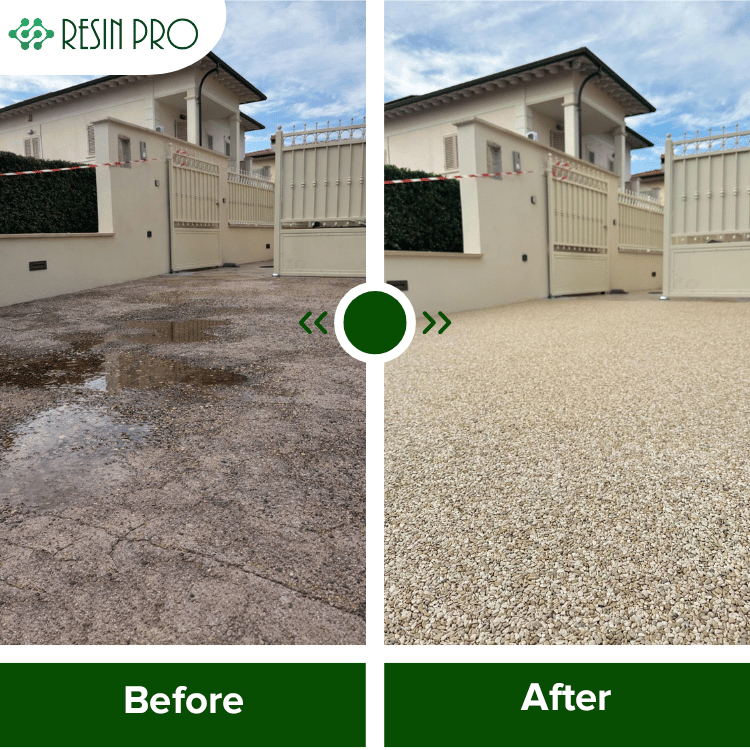
If you are considering a hard-wearing, customisable floor for your outdoor paths, patios, or even concrete driveways, resin flooring offers an excellent solution. Whether you want an attractive resin-bound surface or need a durable seal for concrete, learning how to apply resin on the floor ensures you achieve outstanding results that last. This guide walks you through recommended products, preparation and step-by-step instructions—suitable for beginners and professionals alike.
We’ll explore complete kits like the “Flowstone” – Complete Permeable Floor Kit with Pebbles and Resin for surface creation, specialist binders such as “Trasparente” – Epoxy Binder for Coloured Pebbles and Grits and “Polirock” – Polyurethane Binder for White Stones, 2kg Two-Component Kit for aggregate floors, Washed Pebbles for Permeable Floors 25kg – Outdoor Resin-Bound Surfaces as aggregate, and primers like “Epoxyprimer” – Universal Water-Based Two-Component Epoxy Floor Primer. If your project is concrete-centric, “Resinstone” – One-Component Methacrylic Resin for Concrete Floors and Driveways delivers an easy, resilient finish.
Choosing the right resin system for your floor
The first step is understanding which products suit your substrate and desired aesthetic. ResinPro’s curated range caters to many needs:
- Complete permeable resin flooring kits – like the “Flowstone” – Complete Permeable Floor Kit with Pebbles and Resin, which contains carefully matched, pre-washed pebbles and resin, selected based on desired finish and area size. Used with the right binder, these systems are ideal for driveways, footpaths, terraces, and even public spaces.
- Specialist resin binders – “Trasparente” – Epoxy Binder for Coloured Pebbles and Grits is formulated for pebble and aggregate flooring where clarity and UV stability are key. For white or light stones, “Polirock” – Polyurethane Binder for White Stones, 2kg Two-Component Kit provides non-yellowing, weather-resistant performance outdoors.
- Natural aggregates – Washed Pebbles for Permeable Floors 25kg – Outdoor Resin-Bound Surfaces makes for eco-friendly, durable, and permeable floors, perfect for DIYers and landscape professionals alike.
- Primers and sealers – “Epoxyprimer” – Universal Water-Based Two-Component Epoxy Floor Primer ensures maximum bond to various substrates, from concrete to timber. For concrete floor protection and sealing, “Resinstone” – One-Component Methacrylic Resin for Concrete Floors and Driveways offers fast, robust mechanical strength.
For more on these solutions, explore our Pebble Floors and Multipurpose epoxy resins categories.
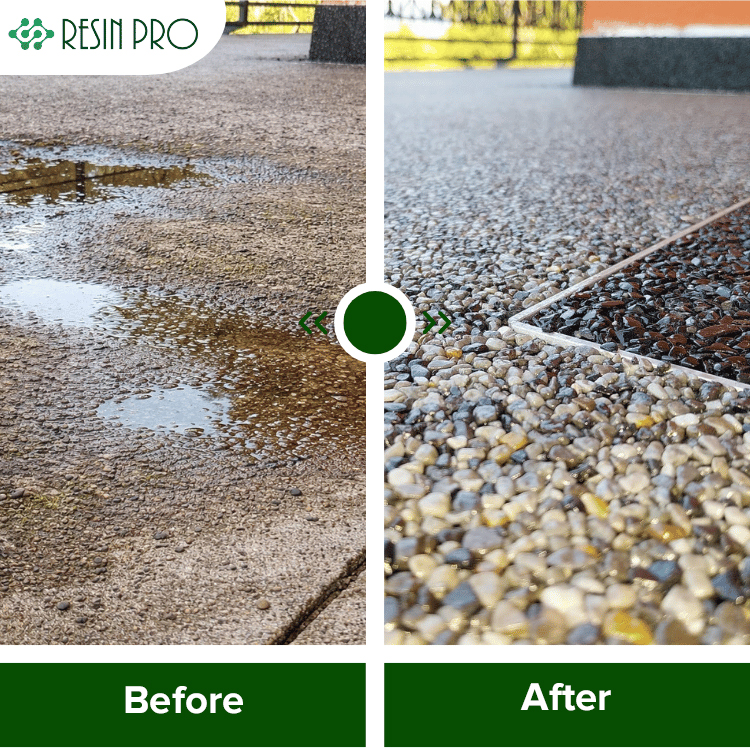
See how a permeable resin floor transforms outdoor spaces
Visualise the versatility of permeable resin-bound surfaces with our project gallery. These floors provide both long-lasting durability and stunning design in driveways, paths, and patios. Notice the seamless joint-free appearance and customisable colour combinations using our binders and pebbles. Explore more on Pebble Floors for inspiration on your next project.
Step-by-step: Applying resin on new and existing floors
Proper application is essential for a lasting, even, and attractive finish. Below is a summary of process stages, using recommended ResinPro products.
1. Preparation of substrateClean the existing floor surface, removing loose particles, oils, or previous coatings. Concrete, screed, tile, or timber all require thorough cleaning and, where necessary, repairs before resin is applied.
2. Priming and sealingPrimers like “Epoxyprimer” – Universal Water-Based Two-Component Epoxy Floor Primer maximise adhesion, especially on porous or mixed substrates. Apply evenly by roller, brush, or spatula and allow to cure fully (24–48 hours).
If sealing concrete against weather, moisture, or stains is key, use “Resinstone” – One-Component Methacrylic Resin for Concrete Floors and Driveways for quick-drying, robust protection.
3. Mixing aggregate and binderCombine your chosen stones—such as Washed Pebbles for Permeable Floors 25kg – Outdoor Resin-Bound Surfaces—with the resin binder. For most coloured stones or grits, “Trasparente” – Epoxy Binder for Coloured Pebbles and Grits ensures clarity and stability. For white aggregates, use “Polirock” – Polyurethane Binder for White Stones, 2kg Two-Component Kit to avoid yellowing.
4. Laying the resin-aggregate mixtureApply the resin-bound mixture evenly to the prepared substrate, levelling to the desired thickness. For larger areas, a cement mixer may assist in achieving an even blend of resin and aggregate. Compact and smooth the surface using a trowel or screed bar.
5. Curing and aftercareAllow your new floor to cure undisturbed. Depending on temperature and chosen products, light foot traffic can resume in as little as 10–12 hours. Full resistance and mechanical properties develop within 24–48 hours. Avoid wet conditions during curing.
Product comparison: Which system is right for you?
Each ResinPro product offers unique advantages for specific surfaces:
- “Flowstone” – Complete Permeable Floor Kit with Pebbles and Resin: All-in-one kit for permeable, attractive, low-maintenance outdoor surfaces. No resin selection guesswork.
- “Trasparente” – Epoxy Binder for Coloured Pebbles and Grits: Crystal-clear, UV-stable for coloured or darker aggregates.
- “Polirock” – Polyurethane Binder for White Stones, 2kg Two-Component Kit: Non-yellowing, highly durable—perfect for white gravel and light stones.
- Washed Pebbles for Permeable Floors 25kg – Outdoor Resin-Bound Surfaces: High-quality, pre-washed aggregates for optimal drainage with resin binders.
- “Epoxyprimer” – Universal Water-Based Two-Component Epoxy Floor Primer: Eco-friendly, odourless preparation for any resin-based floor coating.
- “Resinstone” – One-Component Methacrylic Resin for Concrete Floors and Driveways: Direct and simple for durable concrete sealing or enhancement.
For further guidance on choosing your ideal system, visit our full pebble floors selection.
Why correct resin selection matters for floor longevity
Choosing between a non-yellowing polyurethane binder such as Polirock and a UV-resistant epoxy like Trasparente is crucial for keeping your floor looking pristine. These options prevent discolouration, ensure safety, and support drainage—vital for outdoor UK weather. Browse our pebble floors for more technical guidance and tailored solutions.
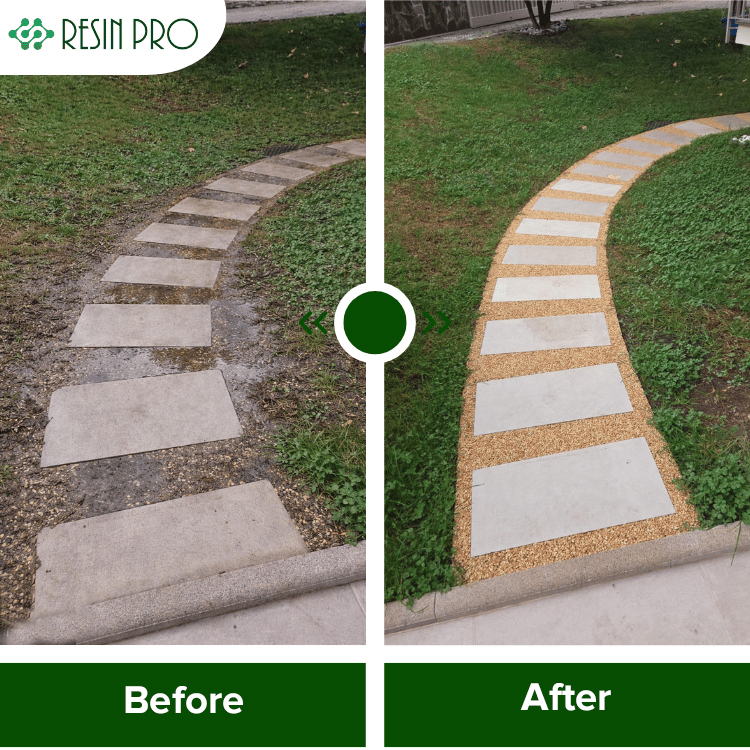
Expert tips and common mistakes to avoid
Simple application is a hallmark of ResinPro systems, but attention to detail in mixing and substrate preparation is vital. Avoid applying resin on surfaces with standing water or in unsuitable temperatures (such as below 10°C or above 30°C). Ensure aggregates are fully dry, and mix binder thoroughly for even encapsulation. Refer to each product’s step-by-step instructions and recommended ratios.
Always use the correct binder—Polirock for white stones, Trasparente for coloured aggregates—to preserve surface appearance long-term. Select only natural, pre-washed pebbles such as Washed Pebbles for Permeable Floors to prevent bonding or drainage issues.
For high-traffic zones or car parks, align binder and aggregate selection to expected usage and thickness, consulting our pebble floors experts when needed. The result will be a resilient, bespoke surface to enjoy year-round.
- "Flowstone" – Complete Permeable Floor Kit with Pebbles and ResinPrice range: £42.85 through £3,389.85Flowstone offers a durable, permeable pebble and resin floor kit suitable for outdoor surfaces with simple application guidance.
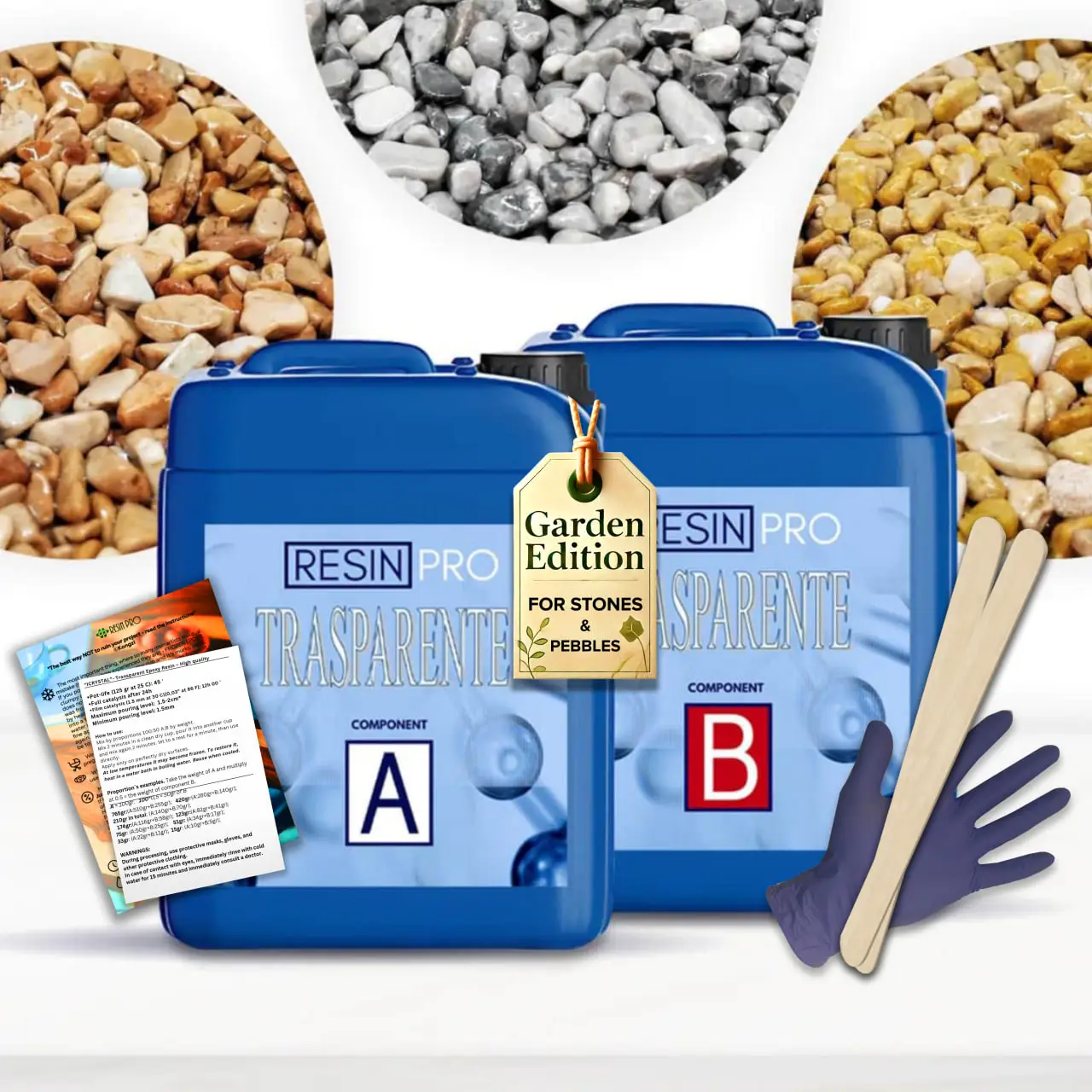 "Trasparente" – Epoxy Binder for Coloured Pebbles and GritsPrice range: £31.85 through £948.85"Trasparente" is a transparent epoxy binder suitable for coloured pebbles and grits, designed for clear finish and UV stability on floors.
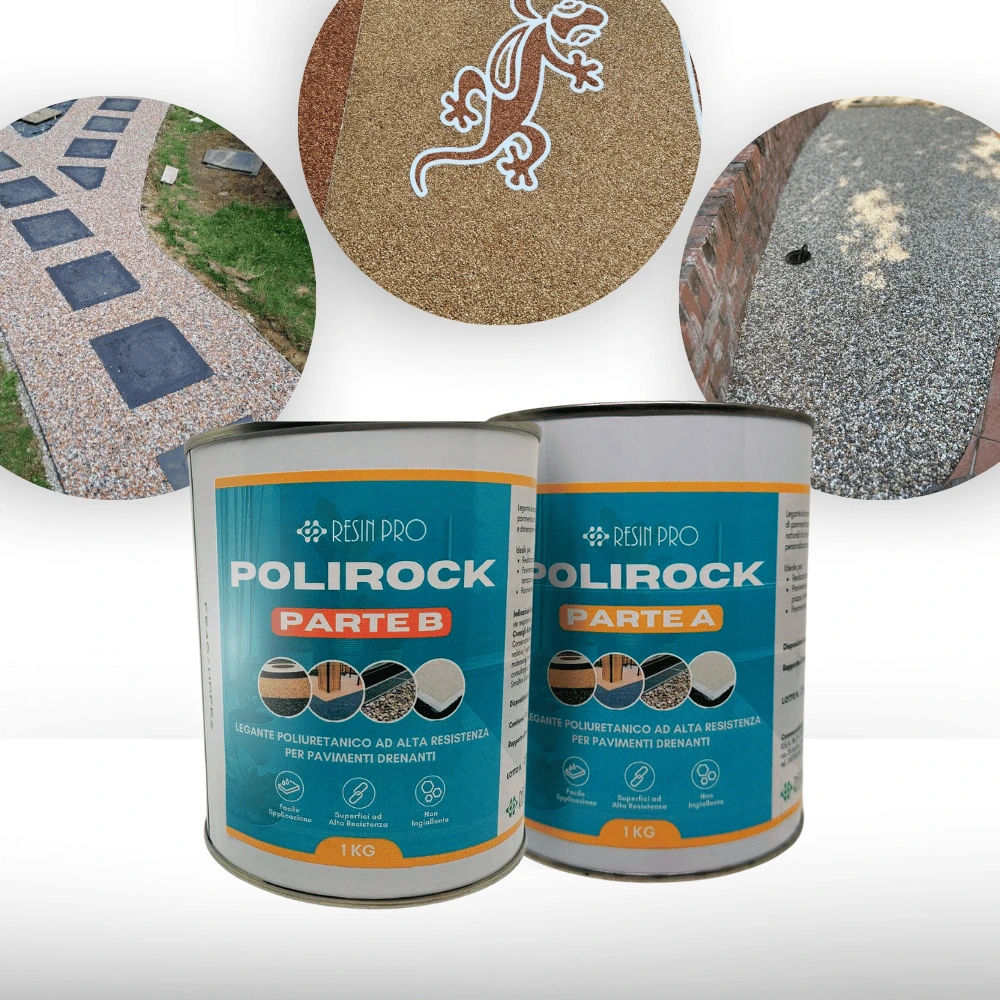 "Polirock" – Polyurethane Binder for White Stones, 2kg Two-Component Kit£58.85"Polirock" polyurethane binder is suitable for creating decorative, permeable stone surfaces outdoors with lasting clarity and adhesion.
 Washed Pebbles for Permeable Floors 25kg – Outdoor Resin-Bound Surfaces£26.85Washed Pebbles for Permeable Floors offer durable, pre-washed aggregates suitable for resin binder outdoor surfaces with permeability focus.
 "Epoxyprimer" – Universal Water-Based Two-Component Epoxy Floor PrimerPrice range: £148.84 through £272.45Epoxyprimer is designed for durable adhesion on concrete, ceramic, screed, tiles and timber floors for epoxy resin coatings.
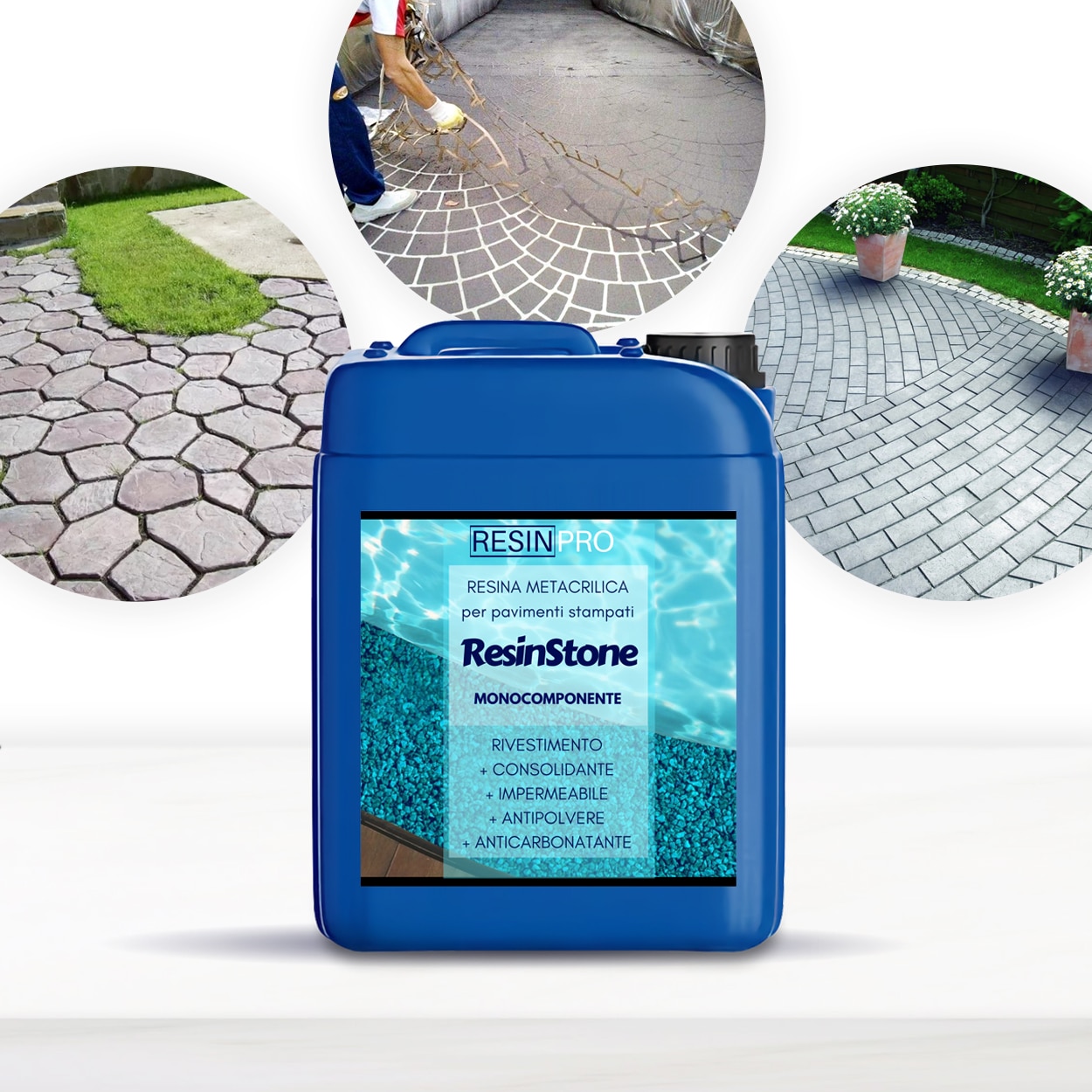 "Resinstone" – One-Component Methacrylic Resin for Concrete Floors and DrivewaysPrice range: £29.85 through £59.85Resinstone is a one-component methacrylic resin suitable for protecting and sealing concrete floors and driveways with good mechanical resistance.
Frequently Asked Questions
What primer should be used before applying floor resin?
For best results, use “Epoxyprimer” – Universal Water-Based Two-Component Epoxy Floor Primer on concrete, timber, tiles, or screed. It is odourless, eco-friendly, and maximises adhesion between the substrate and resin system.
Allow 24–48 hours for a full cure before continuing with resin application.
Which resin is suitable for white stone or coloured pebble floors?
For white stones, “Polirock” – Polyurethane Binder for White Stones offers UV stability and does not yellow over time. For coloured or natural aggregates, “Trasparente” – Epoxy Binder for Coloured Pebbles and Grits ensures a crystal-clear, bubble-free finish.
Can pebbles be used on their own for permeable floors?
No, pebbles such as Washed Pebbles for Permeable Floors 25kg – Outdoor Resin-Bound Surfaces must be bonded with resin to provide structure, weather resistance, and proper drainage. Dry, clean pebbles guarantee best results.
How long does the application and curing process take?
Depending on temperature and product, floors are typically safe for light traffic after 10–12 hours, with full cure after 24–48 hours. Hotter conditions speed up curing. Always protect the floor from rain or contaminants until fully set.
How is resin applied to concrete floors for protection?
Apply “Resinstone” – One-Component Methacrylic Resin for Concrete Floors and Driveways directly to clean, porous concrete. No mixing is needed; simply pour and spread for deep sealing and robust, weatherproof results.
What surfaces can benefit from resin-bound floors?
Driveways, patios, public spaces, terraces, car parks, and pedestrian paths are all prime candidates for ResinPro resin flooring solutions—anywhere an attractive, slip-resistant, low-maintenance and permeable outdoor surface is desired.
Can I install resin flooring by myself?
Yes, all featured ResinPro products are suitable for DIY use with clear instructions and, for large areas, compatibility with standard cement mixers to combine aggregates and resin evenly. Simple tools and attention to technique ensure excellent results.