 Free shipping on orders over £29,85
  Shipping Tracking!


 Google
 Facebook
How to create a sculpture with resin?
Step-by-step guidance for beginners and advanced artists

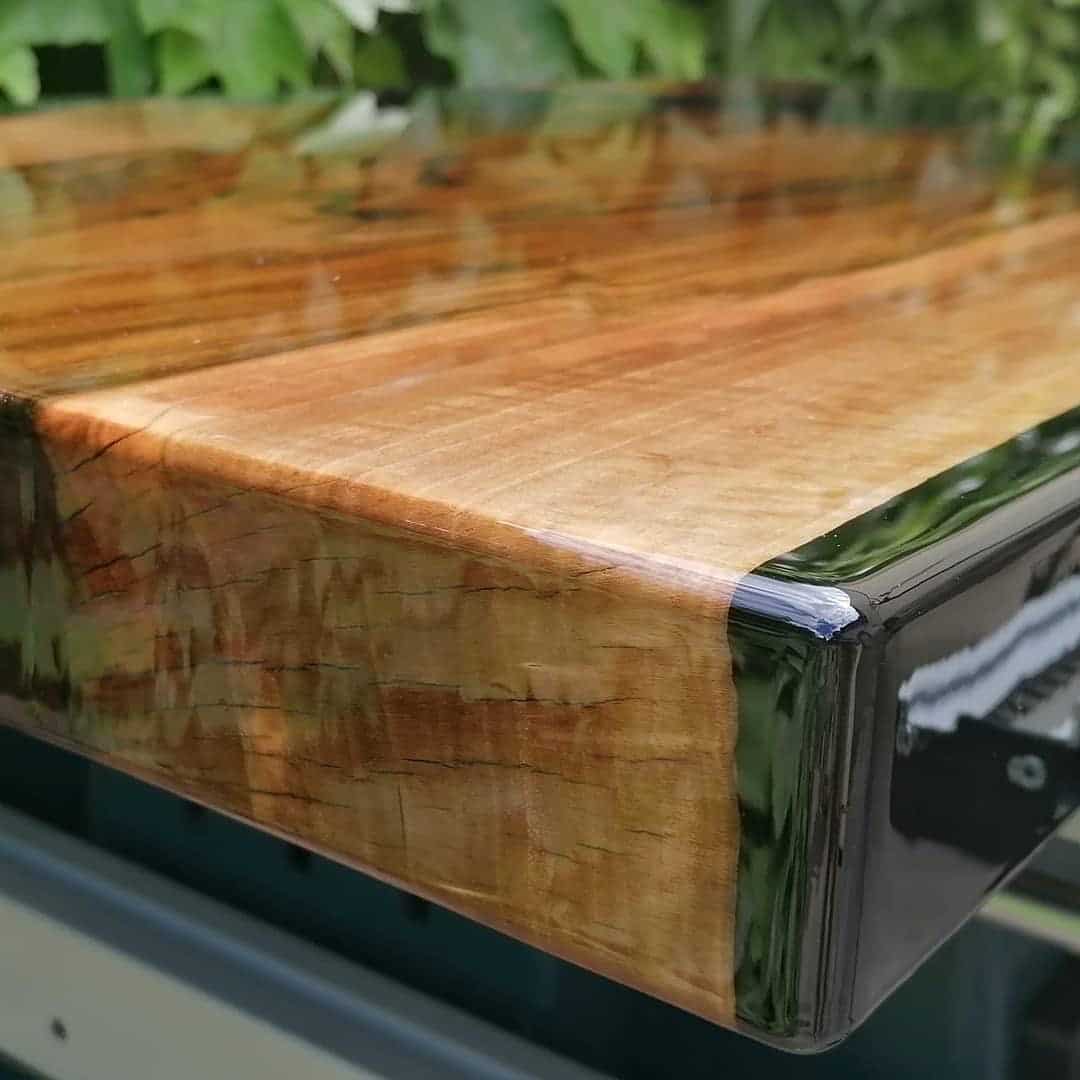
Creating a resin sculpture is a richly rewarding process that allows artists and hobbyists to produce detailed and durable works of art. This guide walks you through the essential steps, from planning and mould making, to pouring, demoulding, and finishing your piece. Whether you are new to resin art or looking to advance your techniques, careful preparation and the right materials will deliver the best results.
What You’ll Need
- “Pure Mould” – Translucent Liquid Silicone Rubber for Mould Making – For creating detailed, reusable moulds.
- “Epoxytable 10-Ten” – Deep Pour Epoxy Resin for Tables, Up to 10cm Casting – For thick, clear cast sculptures.
- “EpoxyTable 5-Five” – Deep Pour Epoxy Resin for Tables and Large Projects – Up to 5cm – Ideal for pours with moderate depth.
- “IWhite” – Polyurethane Casting Resin – White, Fast-Curing Two-Part System – For rapid prototyping and coloured or opaque sculptures.
- Mixing cups, stirrers, gloves, protective eyewear, and a dust-free workspace.

Mould Design Inspiration
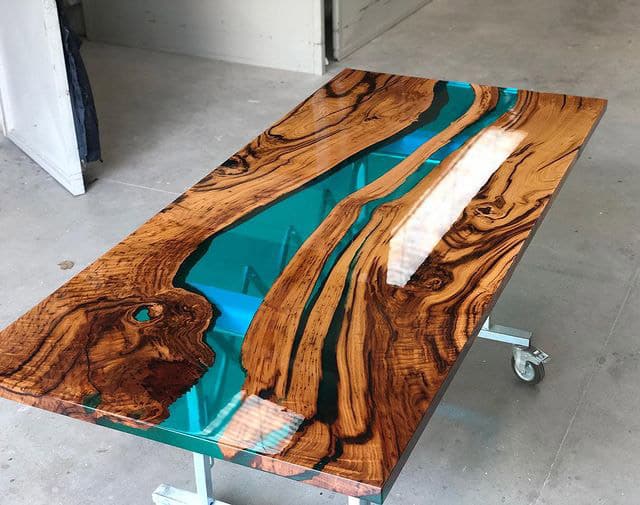
Explore creative mould shapes for your sculptures, from geometric abstracts to organic forms. Consider how a silicone mould captures texture and allows complex undercuts for an expressive final piece. Plan for easy demoulding by incorporating gentle curves and minimal sharp angles.
Step 1: Design and Prepare Your Mould
Begin with a clear concept or model for your sculpture. The most reliable results come from using a well-constructed mould that captures all detail and supports easy demoulding. Clay originals, 3D printed models, or found objects can all be used as masters. Pay attention to undercuts and overhangs, as these require flexible moulds for successful casting.
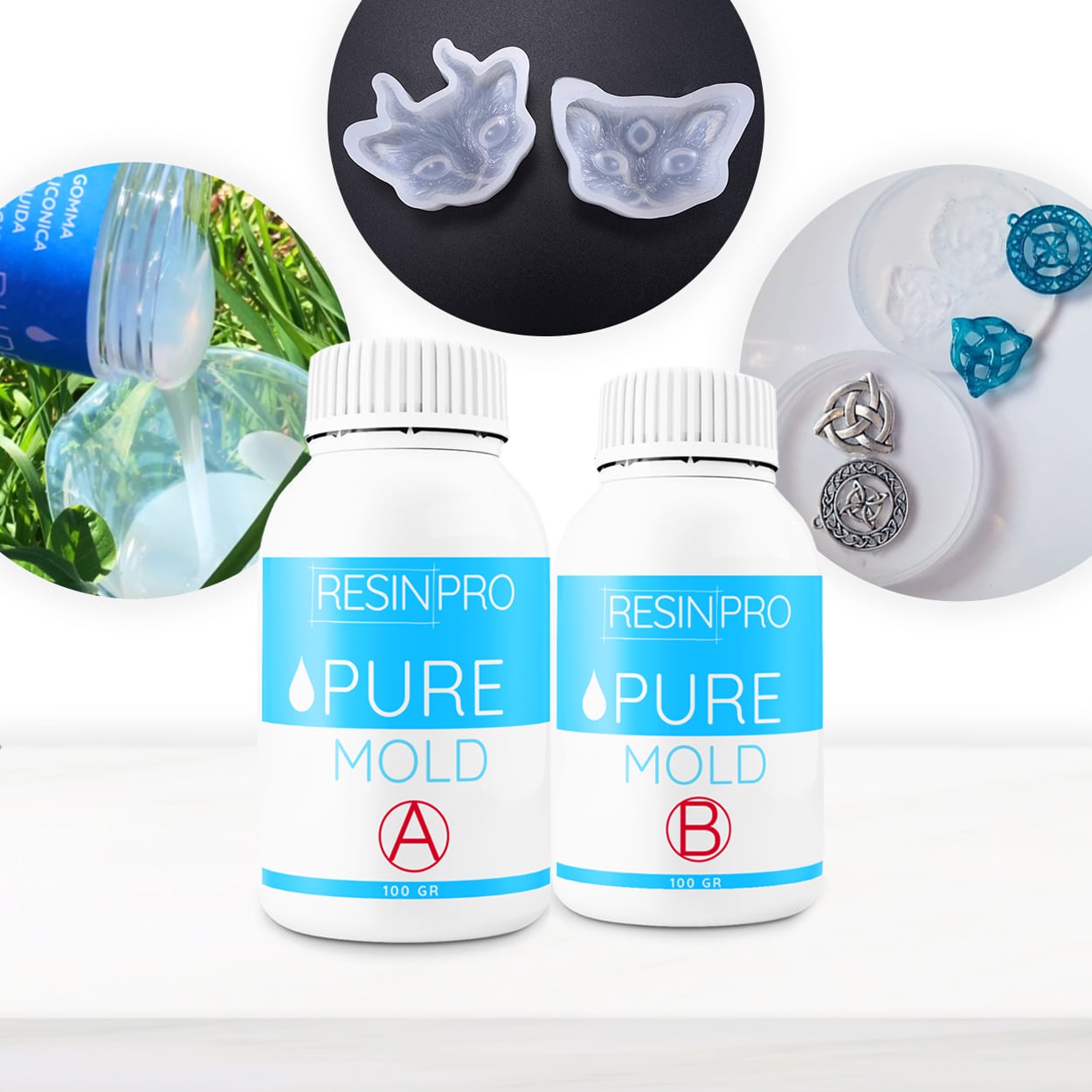
For making a custom mould, use “Pure Mould” – Translucent Liquid Silicone Rubber for Mould Making. This silicone rubber is poured around your master, sets in a few hours, and is reusable for repeated casts while maintaining sharp details.
Step 2: Prepare Your Workspace and Materials
Resin safety precautions: Work in a well-ventilated space, wear eye protection and gloves, and keep your surface covered and secure. Ensure both your mould and workspace are clean and free of dust, as small particles can mar the clarity of your resin.
Select your resin based on the size and type of your sculpture. Thicker, larger pieces are best suited to deep-pouring products such as the “Epoxytable 10-Ten” – Deep Pour Epoxy Resin for Tables, Up to 10cm Casting or “EpoxyTable 5-Five” – Deep Pour Epoxy Resin. For small, intricate pieces, a fast-curing system like “IWhite” – Polyurethane Casting Resin may be preferred.
Step 3: Mix and Pour Your Resin Carefully
Carefully follow the manufacturer’s instructions to measure and mix your resin. Mix resin thoroughly, scraping the sides and base of your cup to avoid unmixed areas. Work slowly to reduce bubble formation. If you notice air bubbles, gently pass a heat source above the resin to help them rise and pop. Handle bubbles carefully to maintain clarity in the finished sculpture.
Slow, steady pouring into the lowest point first helps avoid trapping air. For very deep castings, pour in layers if needed, allowing each layer to partially set as recommended.
Step 4: Demould and Refine Your Sculpture
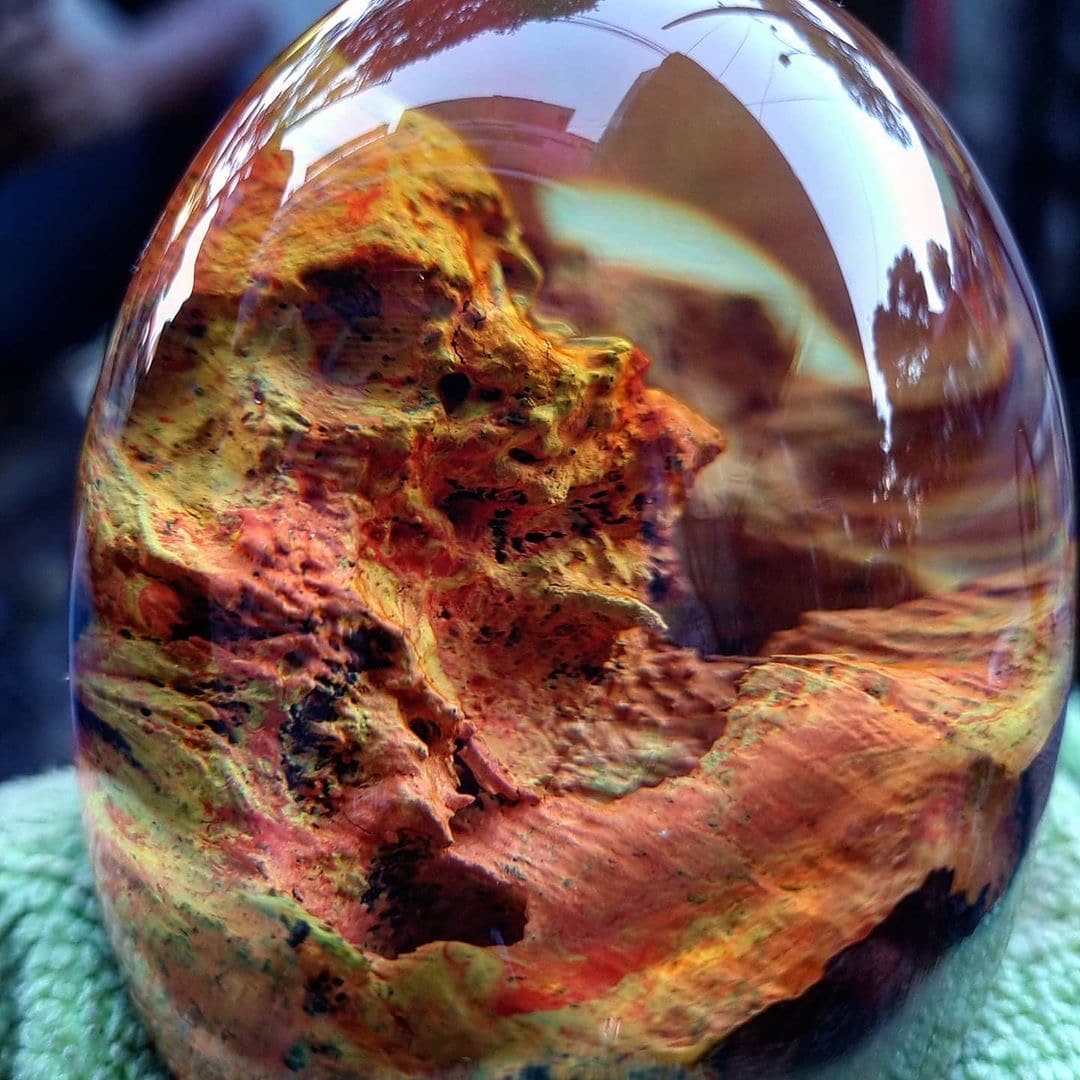
Once the resin has fully cured (timing will depend on your resin choice and casting size), gently remove your artwork from the mould. Demould gently to avoid damage; silicone moulds like those created with Pure Mould silicone will flex and help prevent breakage or distortion.
Select the right time for demoulding—too early and the resin will deform, too late and the piece may be more difficult to remove. Trim any excess compound or mould lines. For a smooth finish, sand edges incrementally with fine-grit paper.
Step 5: Final Touches and Display
Allow full cure time before finishing, especially if you plan to sand, polish, or paint your sculpture. Surface imperfections can be buffed away with micro-abrasives. For colour, use liquid pigments during mixing or apply acrylics after the resin has fully hardened.
Display your finished sculpture in a place away from direct sunlight to maximise its clarity and prevent yellowing over time, especially for clear epoxy artworks.
Tips, Common Mistakes, and Troubleshooting
Work in smaller batches if you’re new to resin sculpture, as this allows more control and reduces wasted material.
Always adhere to resin safety guidelines, and avoid pouring excessively thick layers without checking your chosen resin’s maximum casting depth. Dust and moisture in your workspace can cause surface defects, so create as clean an environment as possible.
If you encounter bubbles or milky resin, increase workspace warmth slightly, or pour slower to allow air to escape. Allow each layer to reach the recommended gel phase before pouring another to avoid visible lines or distortion.
Showcasing and Preserving Your Resin Artwork
After curing, display your resin sculpture in locations with indirect light. Regularly dust your piece and avoid prolonged exposure to UV rays to preserve clarity and prevent yellowing. For outdoor display, consider periodic cleaning or UV-protective coatings for long-term protection.

- "Epoxytable 10-Ten" – Deep Pour Epoxy Resin for Tables, Up to 10cm CastingPrice range: £33.85 through £334.85Epoxytable 10-Ten is suited for deep casting up to 10cm, designed for tables and artistic projects within sculpture creation.
- "Pure Mould" – Translucent Liquid Silicone Rubber for Mould MakingPrice range: £22.85 through £158.85"Pure Mould" is a platinum-based translucent silicone rubber designed for mould making, compatible with resins and suitable for sculpture creation.
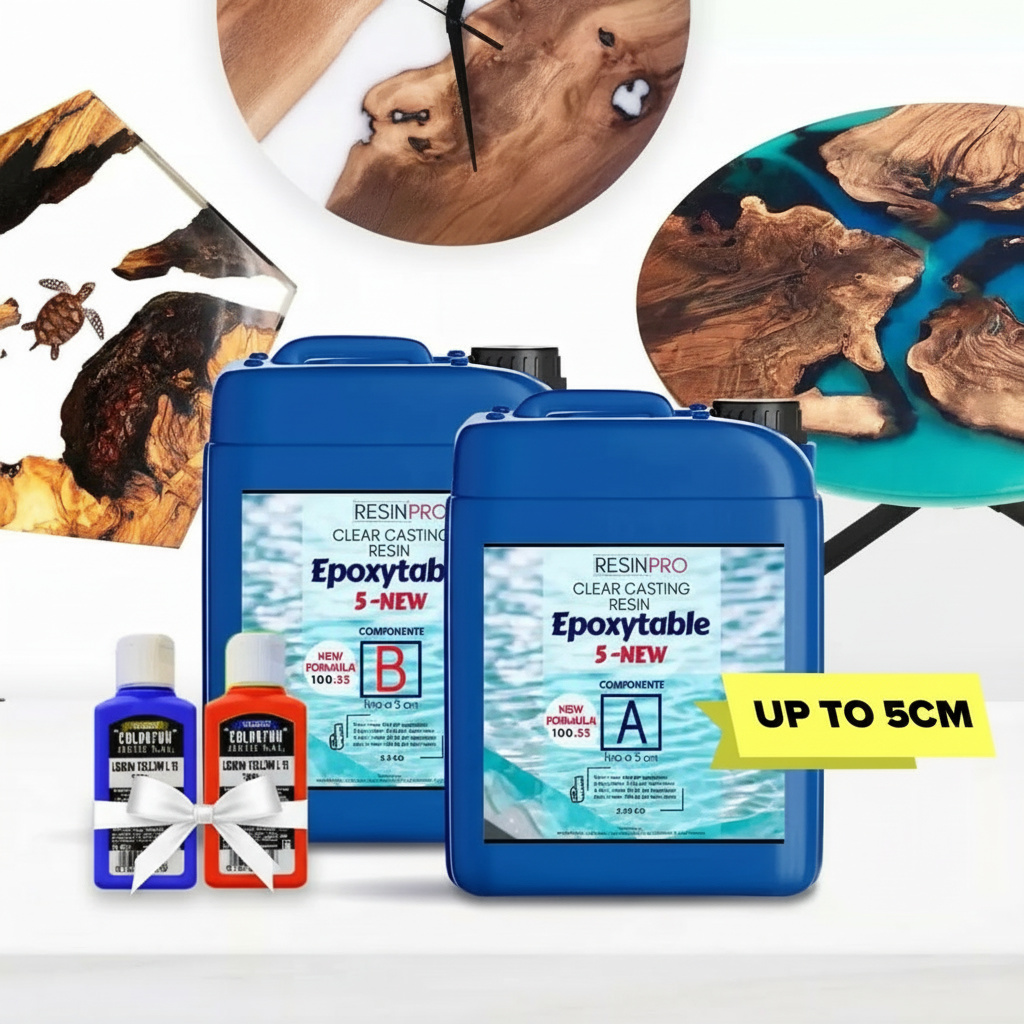 "EpoxyTable 5-Five" – Deep Pour Epoxy Resin for Tables and Large Projects – Up to 5cmPrice range: £16.85 through £1,099.85"EpoxyTable 5-Five" is designed for deep pour projects up to 5cm, suited to sculptural and large resin works with long working time.
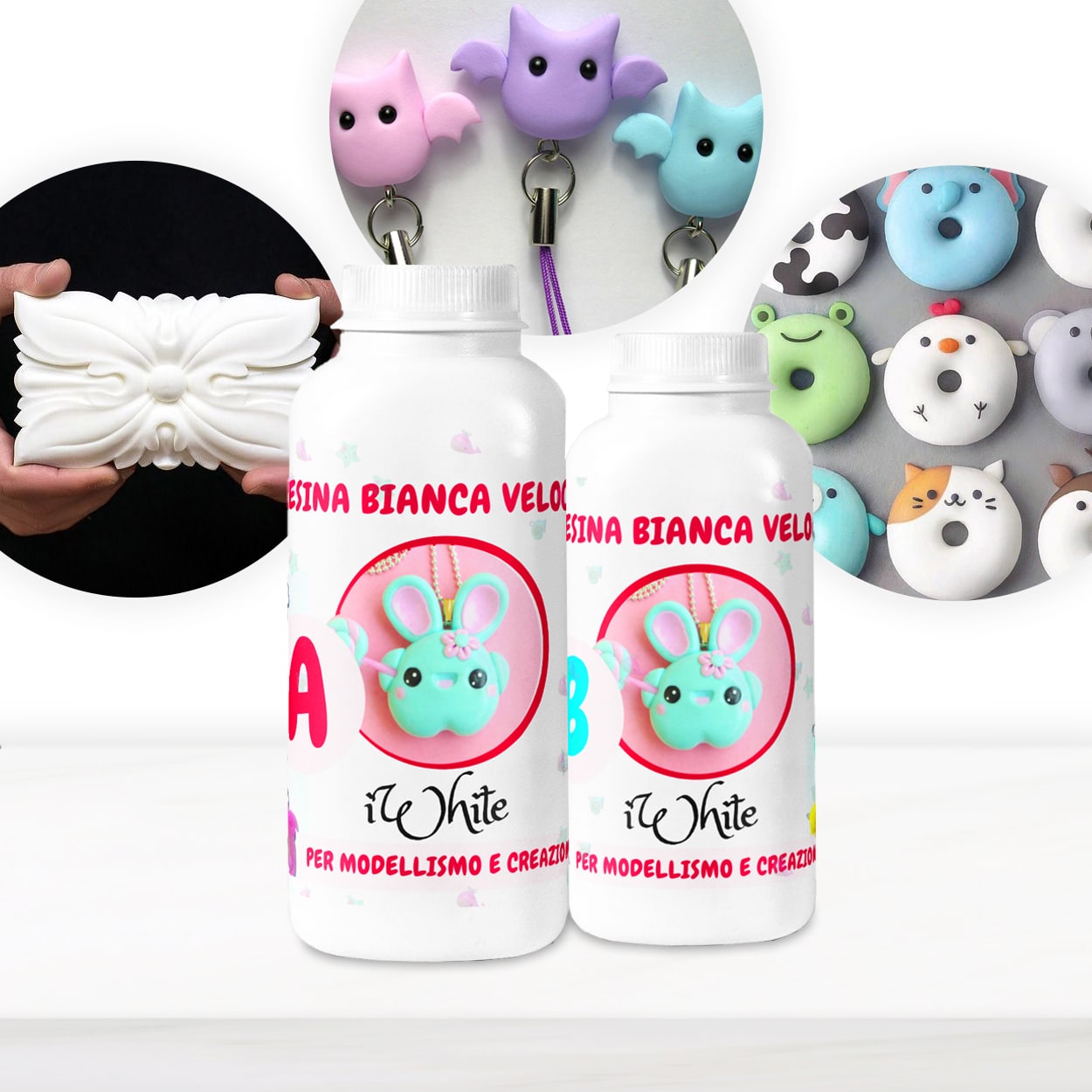 “IWhite” – Polyurethane Casting Resin – White, Fast-Curing Two-Part SystemPrice range: £22.85 through £34.85IWHITE is a fast-curing polyurethane resin suited for detailed, rapid prototyping and moulding in sculptural projects.
Frequently Asked Questions
What is the best resin for large or detailed sculpture casting?
Deep-pour epoxy like Epoxytable 10-Ten is excellent for large, thick sculptures, while IWhite polyurethane resin works well for highly detailed, smaller casts.
How do I avoid bubbles in my resin sculptures?
Mix slowly and thoroughly, pour in thin streams, and use a heat source to encourage bubbles to rise and pop before curing.
Can I make my own moulds for resin sculpture?
Yes, with silicone products like Pure Mould you can create detailed, reusable moulds tailored to your sculptural design.
How long do resin sculptures take to cure?
Typical cure times range from a few hours to several days, depending on resin type and casting thickness. Full hardness is vital before demoulding.
Which silicone mould is suitable for casting resin artwork?
A translucent, flexible silicone such as Pure Mould is ideal for capturing fine details and simplifying demoulding.
Can I paint resin sculptures after curing?
Yes, once fully cured, resin sculptures can be painted or finished with acrylic paints for custom colour effects.