 Free shipping on orders over £29,85
  Shipping Tracking!


 Google
 Facebook
How to Make Resin Flooring
A step-by-step guide to strong, lasting resin floors.

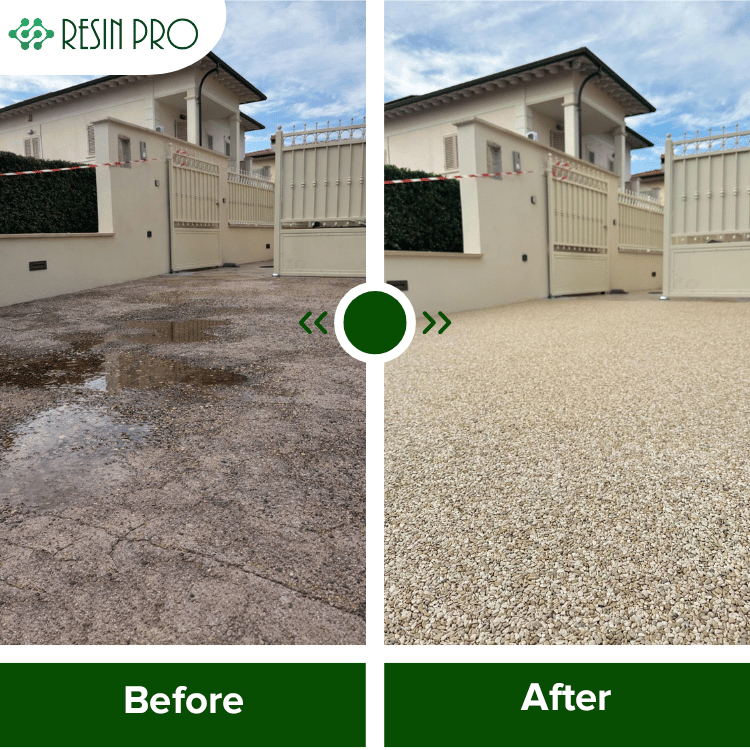
If you want a durable, low-maintenance floor for outdoor spaces such as driveways, patios, or walkways, resin flooring is a smart choice. This guide walks you through the essential steps for creating a professional-quality resin floor, from surface preparation to final finishing, ensuring a result that is both robust and visually appealing. No specialist experience is required — attention to detail and correct materials are all you need to achieve a reliable, long-lasting finish.
What You’ll Need
- “Epoxyprimer” – Universal Water-Based Two-Component Epoxy Floor Primer: Prepares surfaces for optimal resin bonding
- “Trasparente” – Epoxy Binder for Coloured Pebbles and Grits: For clear, UV-stable binding of coloured aggregates
- “Polirock” – Polyurethane Binder for White Stones, 2kg Two-Component Kit: For strong, non-yellowing adhesion of white stones
- “Flowstone” – Complete Permeable Floor Kit with Pebbles and Resin: Contains everything needed for permeable pebble and resin flooring
- Aggregate of choice (decorative pebbles, grits, or stones)
- Mixing buckets, paddles, roller/brush, trowels, protective gloves and mask
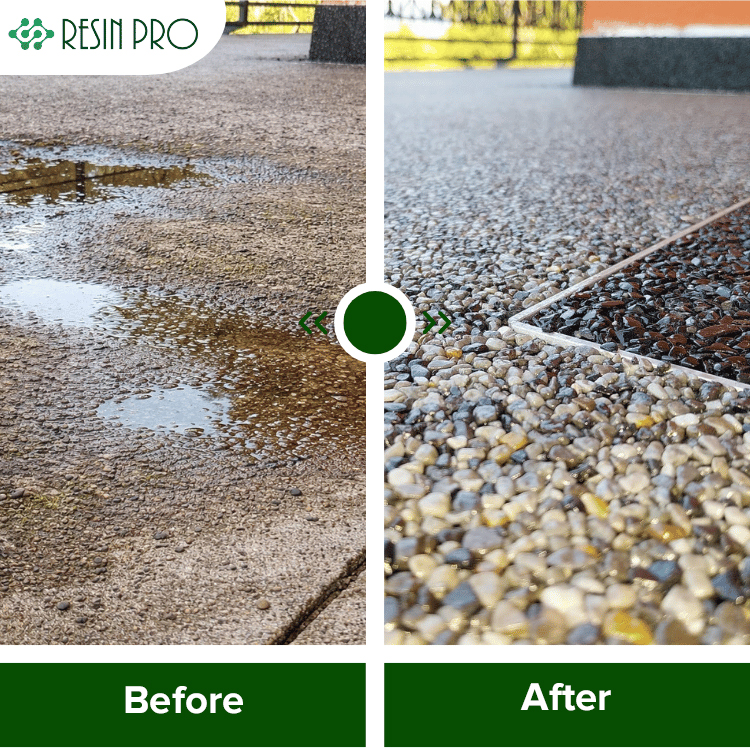
See How Resin Flooring Transforms Spaces
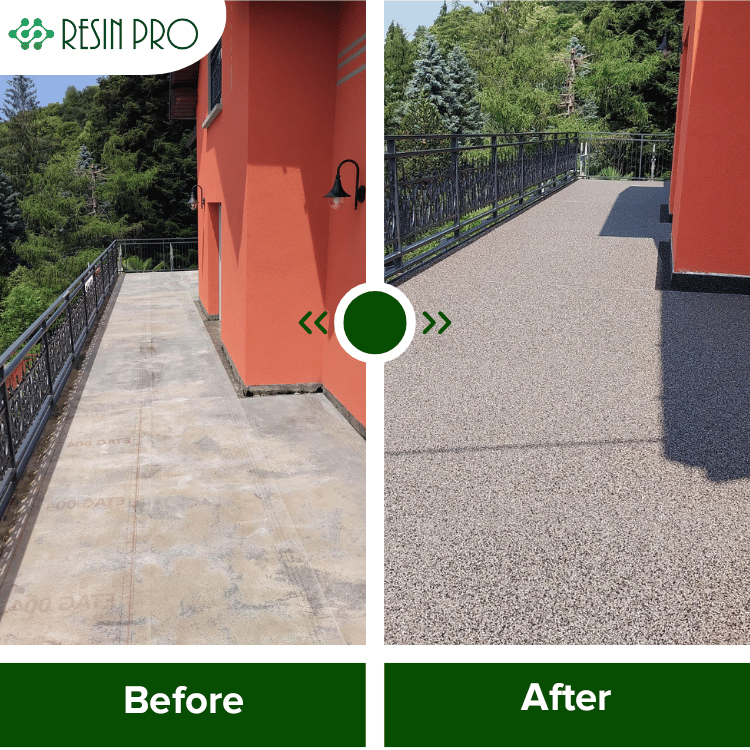
View real-life applications of resin-bound flooring for patios, driveways, and walkways. Weather-Resistant surfaces and Superior adhesion make these systems an ideal solution for modern outdoor living in the UK climate.
Step 1: Prepare the Surface
Begin by ensuring the substrate is stable, clean, and dry. Remove any dust, oil, loose material, or old coatings. Cracks and imperfections should be repaired with a suitable filler, and the area thoroughly swept. Moisture trapped beneath the surface can cause adhesion problems, so confirm there is no dampness present before you proceed. A well-prepared base will greatly improve the longevity and appearance of your resin floor.
For best adhesion with pebbles and resin, apply a coat of “Epoxyprimer” – Universal Water-Based Two-Component Epoxy Floor Primer to the substrate. This water-based primer works on most surfaces including concrete, screeds, wood, or tiles, providing an even base and maximising bonding strength.
Step 2: Mix and Combine Aggregates with Resin
Select your aggregate (pebbles or grits) based on the desired finish and slip-resistance. In a clean mixing bucket, combine the chosen resin binder with the aggregates — taking note to follow the recommended resin-to-stone ratio (commonly around 3% resin by weight for epoxy, or as directed on the product).
If using coloured aggregates, opt for “Trasparente” – Epoxy Binder for Coloured Pebbles and Grits, which secures the stones with a clear, non-yellowing finish. For white or light natural stones, use “Polirock” – Polyurethane Binder, ensuring a UV-resistant, crystal-clear bond that will not discolour over time.
Mix thoroughly to ensure every piece is well-coated, avoiding dry spots or visible resin pooling. For large areas, a cement mixer may help achieve an even blend efficiently.
Step 3: Lay Out and Level the Mixture
Pour the resin-aggregate mixture onto the primed substrate, spreading evenly using a trowel. Work methodically in sections, maintaining a consistent thickness — typically around 15–20 mm, but confirm as recommended for your kit. Press firmly to eliminate air pockets and achieve a smooth, compacted layer.
Ensure edges are neat and transitions between each mix batch are seamless. This care prevents weak points and delivers a unified appearance. Continually check for any missed or dry stones during spreading, adding a little mixed product if needed.
Step 4: Allow Proper Curing and Finishing
Once the floor is in place, protect it from direct rainfall, dust, and debris while it cures. Avoid foot traffic until the resin has hardened, following the cure times detailed with your resin system (typically ranging from 24–48 hours for initial set, longer for full strength).
If using a complete system such as “Flowstone” – Complete Permeable Floor Kit with Pebbles and Resin, all the necessary materials and instructions are included, guiding you step-by-step for durable results.

Tips, Troubleshooting, and Common Mistakes
Work in suitable weather, ideally above 10°C and in dry conditions, to avoid problems with resin curing or bonding. Premature exposure to rain or high humidity may compromise the finish. Always mix the binder and aggregate completely; unmixed patches can weaken the floor and cause loose stones. Be meticulous with edge work and seams to achieve a seamless transition across the entire floor. Consult your chosen product’s guidance for specific ratios and cure times for the best result. If unsure, test a small area first to familiarise yourself with the working time and application feel.
Mastering the Resin Flooring Technique
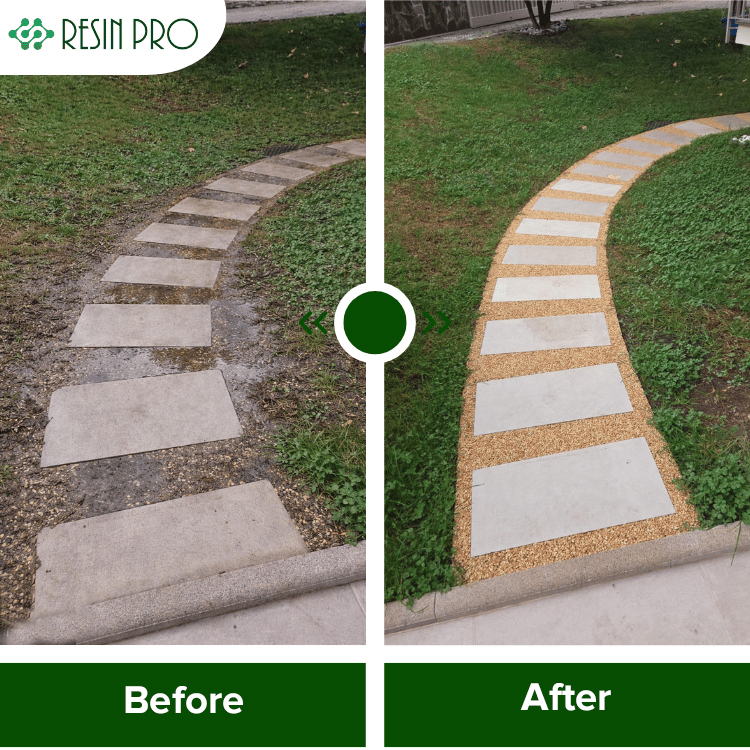
Explore close-up examples showing Anti-Slip Finish, seamless joins and No Yellowing with proper aggregate and binder selection. Notice the importance of technique for an enduring result.
- "Flowstone" – Complete Permeable Floor Kit with Pebbles and ResinPrice range: £42.85 through £3,389.85"Flowstone" is a durable, permeable pebble and resin kit designed for outdoor flooring with step-by-step guidance suitable for various UK…
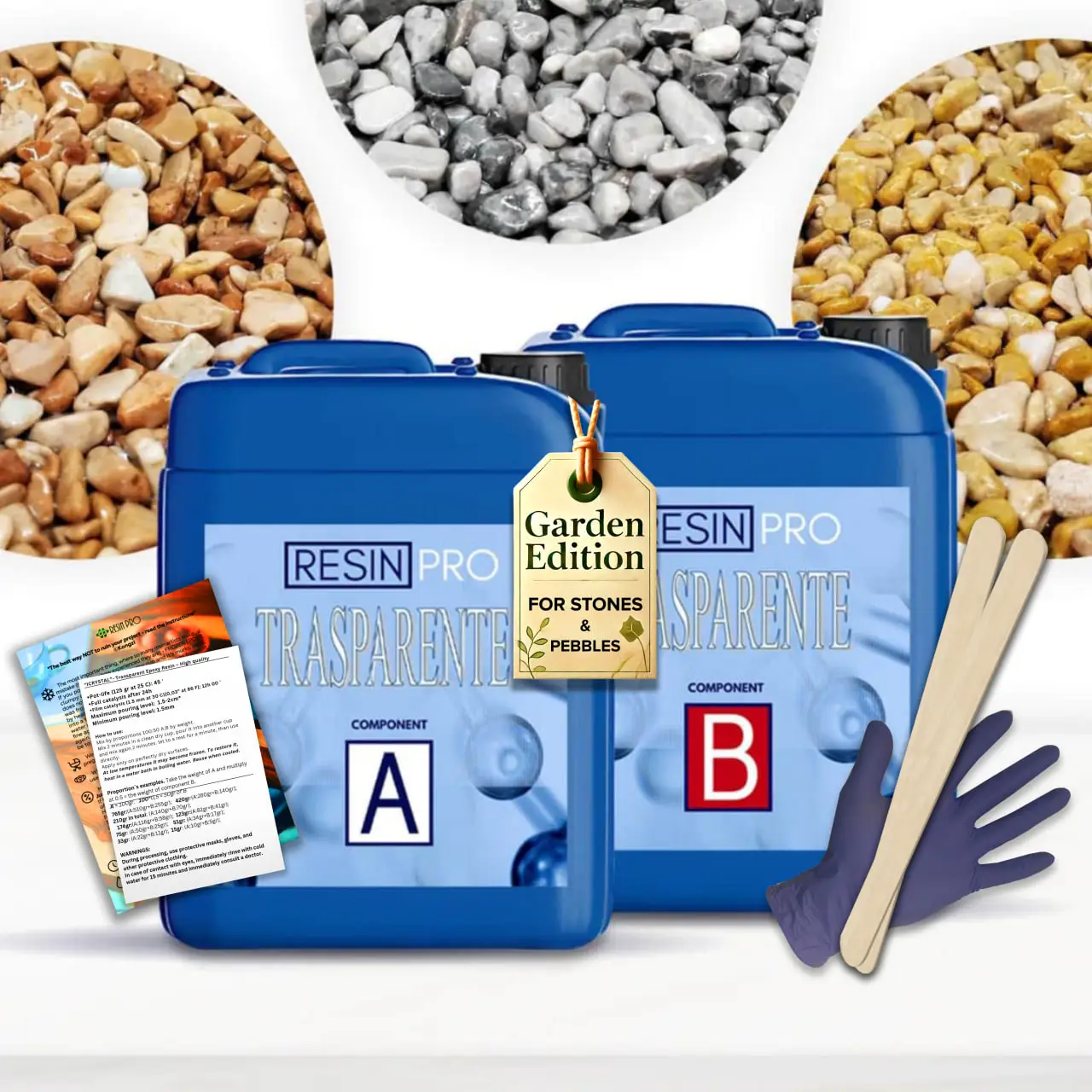 "Trasparente" – Epoxy Binder for Coloured Pebbles and GritsPrice range: £31.85 through £948.85"Trasparente" is a transparent epoxy binder designed for coloured pebbles and grits, suitable for clear, UV-stable resin flooring.
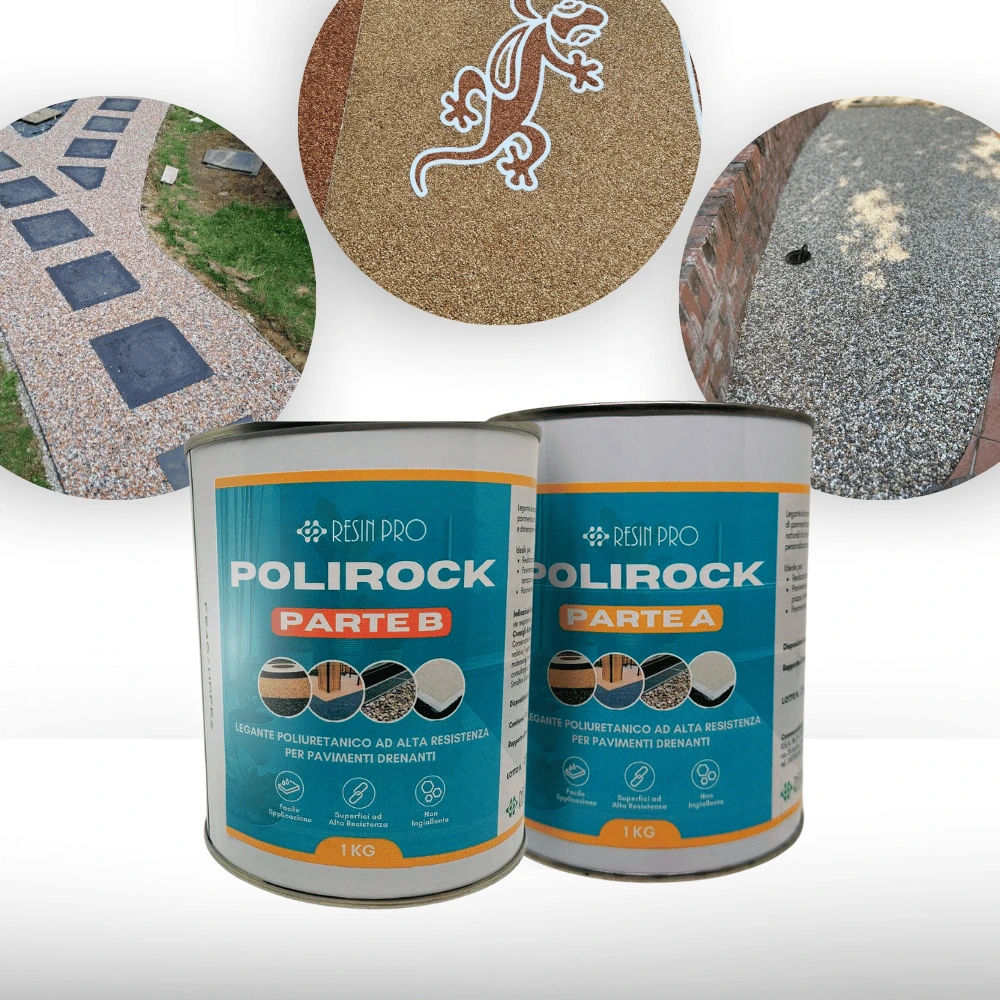 "Polirock" – Polyurethane Binder for White Stones, 2kg Two-Component Kit£58.85POLIROCK is a two-component polyurethane binder for white stones, designed for durable and decorative outdoor stone surfaces.
 "Epoxyprimer" – Universal Water-Based Two-Component Epoxy Floor PrimerPrice range: £148.84 through £272.45"Epoxyprimer" is a water-based two-component primer providing reliable adhesion for various floor types, suited for epoxy resin flooring projects.
Frequently Asked Questions
How do I prepare the surface before applying resin flooring?
Make sure the base is stable, clean, dry, and free from dust, oil, and old coatings. Repair any cracks and sweep thoroughly.
What type of resin binder should I use with different aggregates?
Use a clear epoxy binder for coloured or dark stones, and a polyurethane binder for white stones to prevent yellowing.
How do I mix aggregates with resin for flooring?
Mix thoroughly so every stone is coated, following the recommended ratios for your resin system to ensure an even bond.
How long should I wait before using the new resin floor?
Allow at least 24–48 hours before light use, but always check your product’s instructions for full curing recommendations.
What is the ideal weather for installing resin flooring?
Apply resin flooring in dry weather above 10°C and avoid high humidity or rain during application and curing.
What are some common mistakes to avoid?
Incomplete mixing, insufficient surface prep, and working in the wrong climate can all cause poor adhesion or a patchy finish.