 Free shipping on orders over £29,85
  Shipping Tracking!


 Google
 Facebook
How to make a silicone and resin mould?
Creating your own silicone and resin mould enables endless possibilities for crafting, model making, and artistic projects. This guide will walk you through every step of the process, from planning your mould design to handling resins, resulting in reliable, reusable moulds tailored to your needs.
Comprehensive guide for detailed and reusable mould making
What You’ll Need
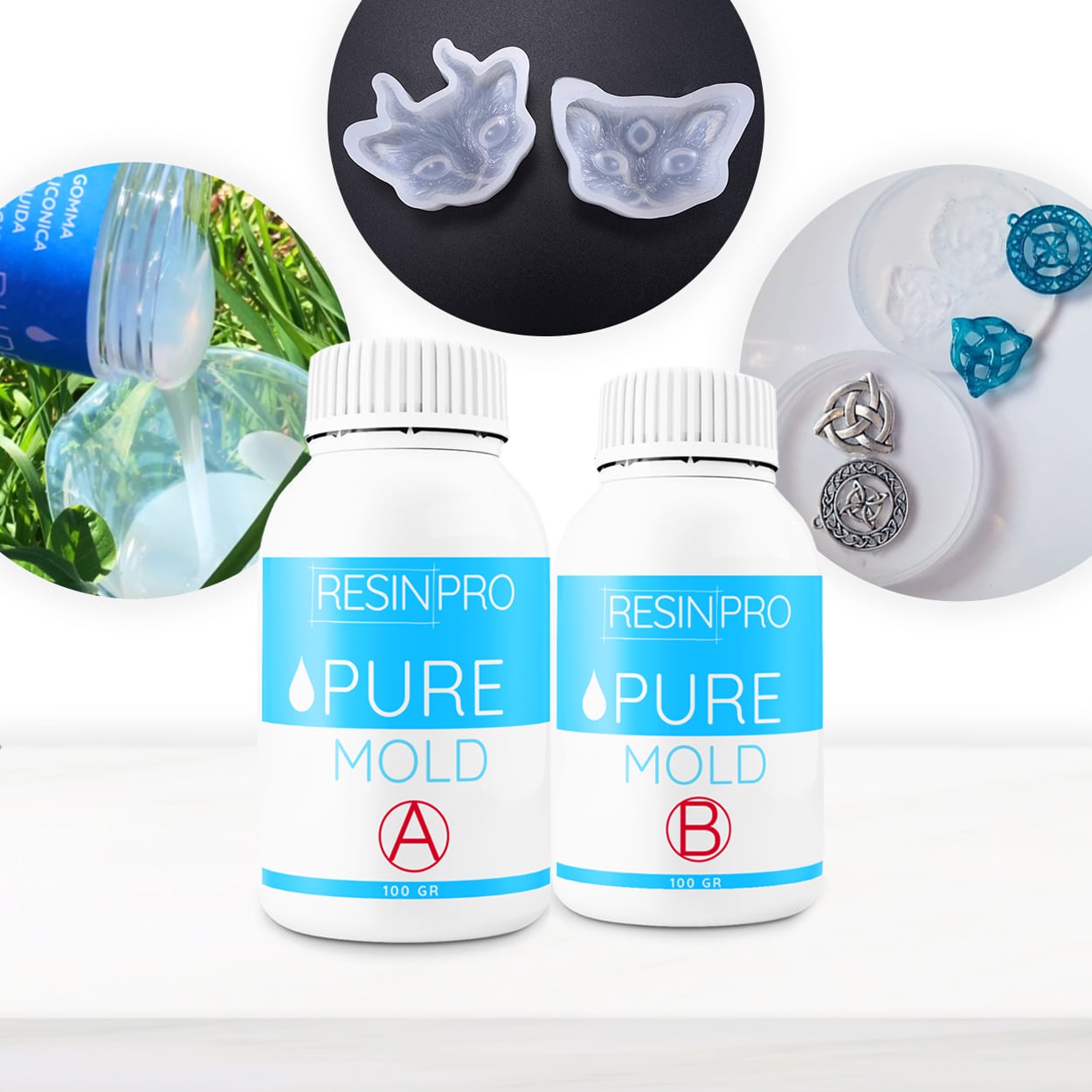
- “Pure Mould” – Translucent Liquid Silicone Rubber for Mould Making: A translucent, fast-curing silicone rubber ideal for capturing fine detail.
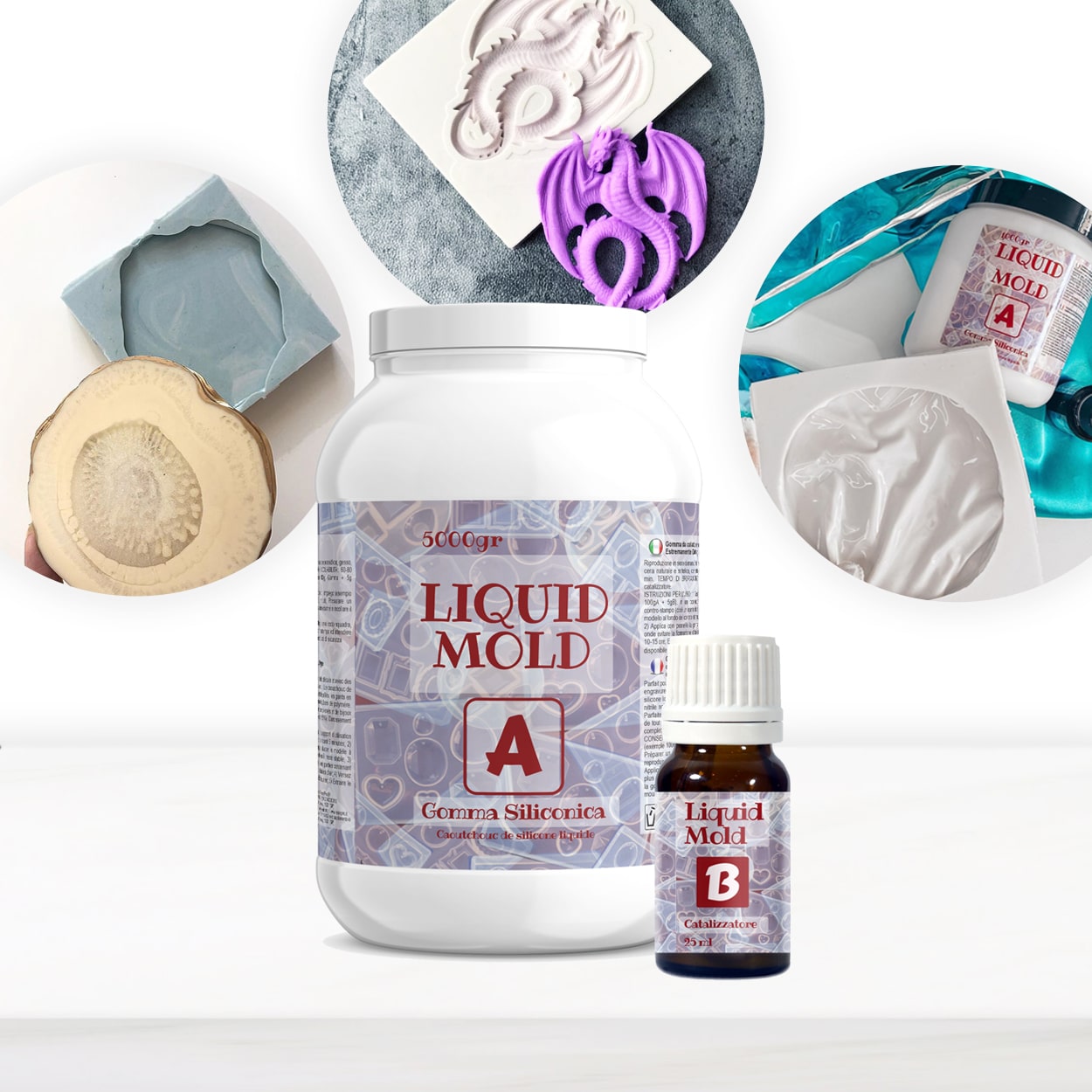
- “Liquid Mould” – Casting Liquid Silicone Rubber, 5-40 Shores, Bi-Component A+B: Bi-component silicone for small, detail-rich moulds.
- “I–Gum” – Non-Toxic Silicone Putty for Mould Making: Putty-style silicone for quick, simple moulds or frames.
- “EpoxyTable 5-Five” – Deep Pour Epoxy Resin for Tables and Large Projects – Up to 5cm: Deep pour resin for casting larger or thicker projects.
- Mixing containers and spatulas (clean, disposable)
- Original item/model to copy
- Mould box or containment for liquid silicone
- Protective gloves and apron
Choosing the Right Silicone for Your Mould
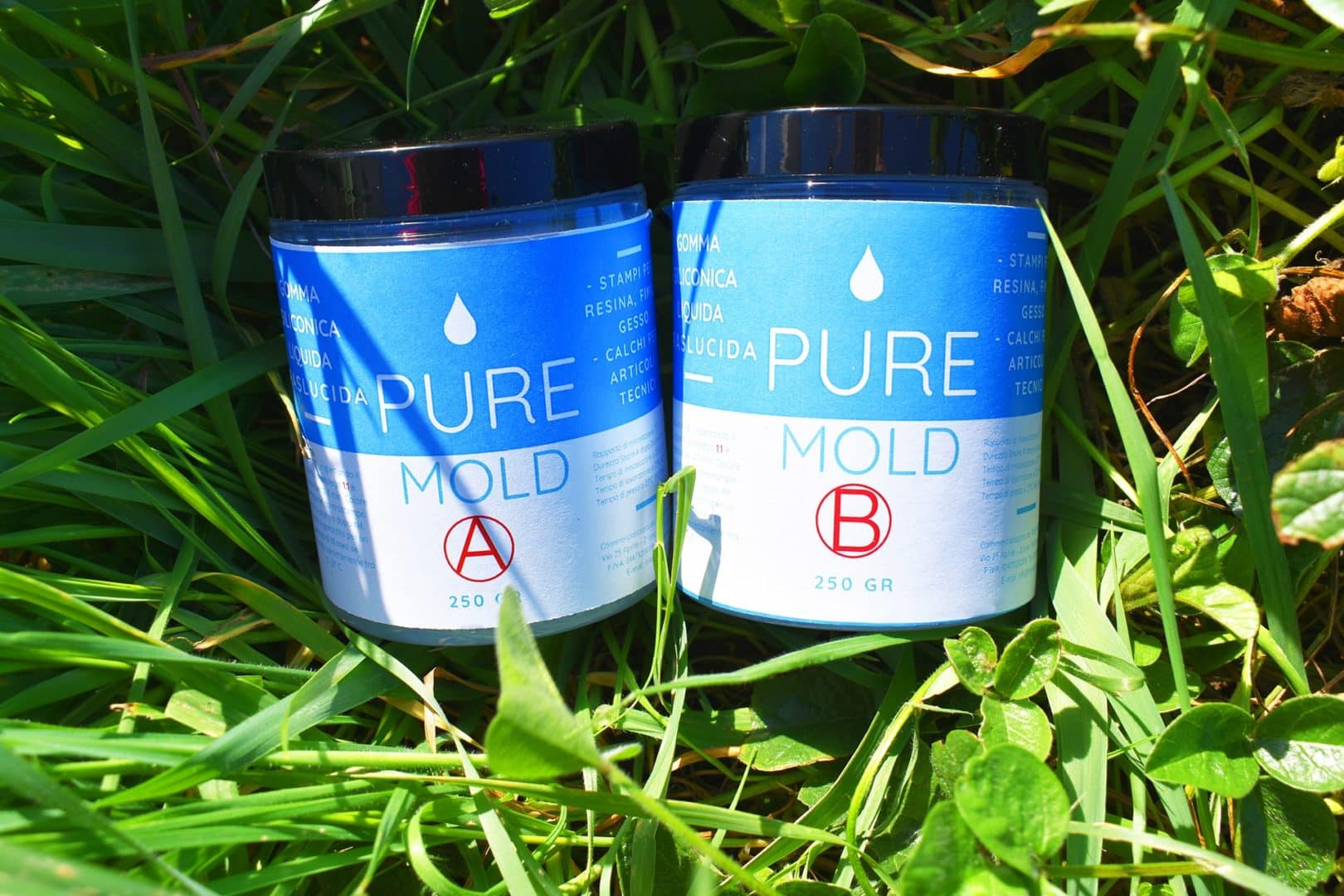
For highly detailed items or professional projects, opt for liquid silicone rubber mixtures like “Pure Mould” for maximum detail and ease of use. For small, simple shapes, “I–Gum” putty offers fast, accessible results without pouring.
Step 1: Prepare the Workspace and Model
Ensure a clean workspace and proper safety gear for the entire process. Choose an area with good ventilation and a stable, dust-free surface. Arrange all your required items so they are within easy reach.
Clean your original item thoroughly to remove dust, debris, or oils that might affect the mould. If your model has porous surfaces, you may need to seal it with a suitable barrier (such as tape or wax). Secure your item inside the mould box with enough clearance around and below for the silicone to flow over all details.
Step 2: Mix and Pour the Silicone
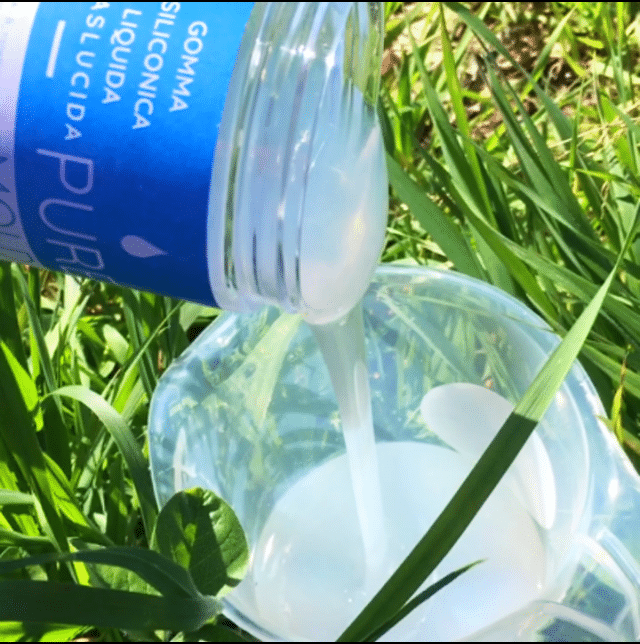
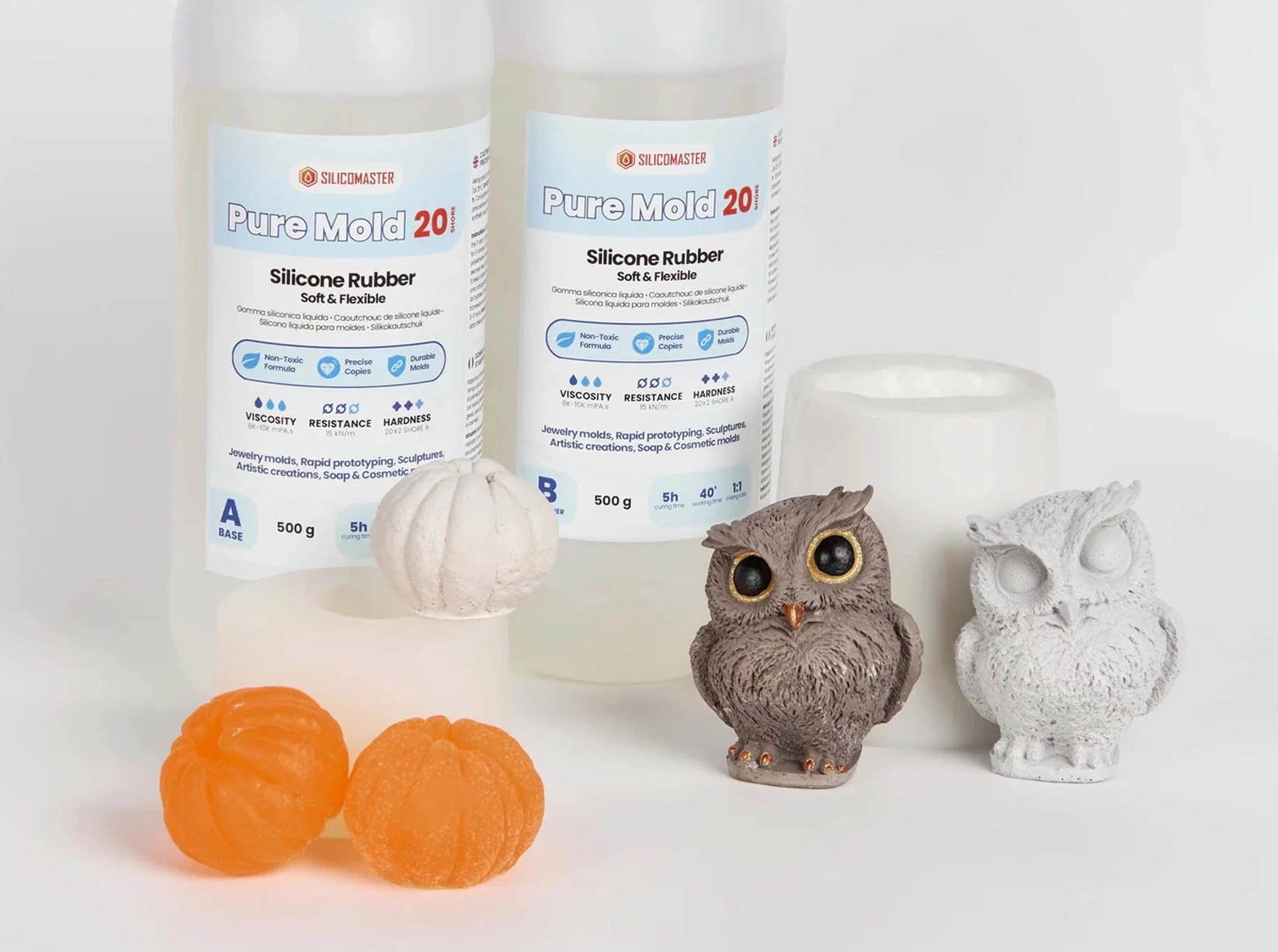
Measure and mix silicone precisely according to instructions. For liquid silicones like “Pure Mould” – Translucent Liquid Silicone Rubber for Mould Making, combine the base and catalyst in a 1:1 ratio. Mix slowly but thoroughly to prevent streaks and minimise air incorporation. For silicone putties such as “I–Gum” – Non-Toxic Silicone Putty for Mould Making, knead the two parts until uniform in colour and texture.
Pour silicone carefully to avoid air bubbles. For liquids, pour in one corner of the mould box and allow the silicone to gradually rise over the model, which helps displace trapped air. Gently tap the mould or use a toothpick to encourage bubbles to rise and escape, especially around intricate shapes.
Step 3: Allow to Cure and Demould
Check the product’s cure times—some like “Pure Mould” cure in about 3–8 hours, whilst others may vary based on batch size and temperature. Allow full curing before demoulding to prevent distortion or tearing.
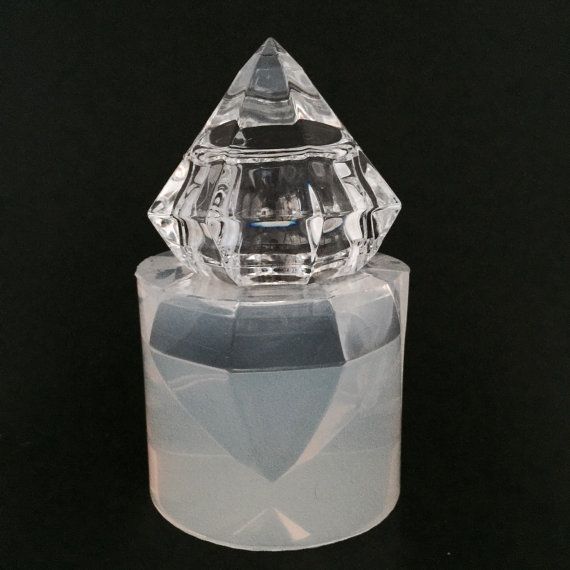
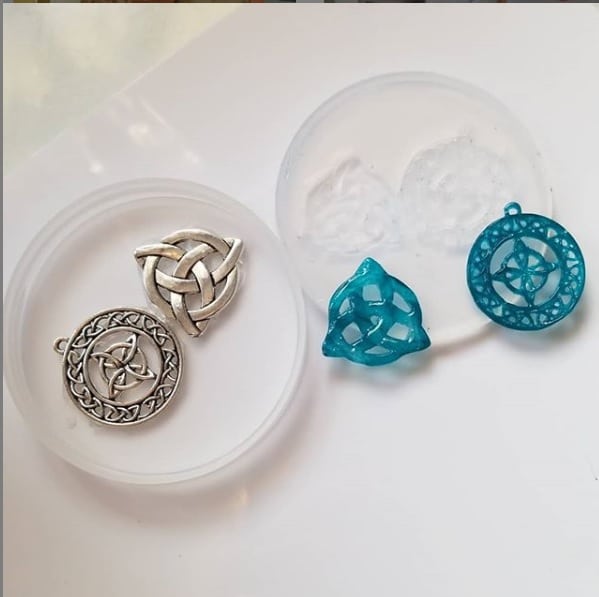
Once set, gently peel the silicone from the mould box and separate it from the original model. Inspect the interior for completeness and ensure all details have transferred successfully.
Step 4: Prepare and Pour Your Resin
Assess your project’s resin needs. For large, deep castings, “EpoxyTable 5-Five” – Deep Pour Epoxy Resin for Tables and Large Projects is designed for layers up to 5cm, ensuring clarity and minimal bubble formation. Always read and follow the resin’s safety instructions.
Select compatible resins and pour thoughtfully. Mix according to product guidelines, being careful not to rush. Pour the resin slowly into your cured silicone mould, tapping or tilting gently to settle any air or ensure edges fill completely. Allow to cure as directed, keeping the environment stable in temperature and humidity.
Tips, Common Mistakes, and Troubleshooting
Take your time at each step—rushing leads to air bubbles, incomplete details, or unmixed material. Always wear gloves to avoid skin contact with uncured components. For highly detailed moulds, choose a liquid silicone with excellent flow characteristics. Common pitfalls include under-mixing parts or not allowing enough time for cure; double-check ratios and cure times.
If air bubbles appear, try vibrating or lightly tapping the filled mould, or even warming the silicone prior to pouring to reduce viscosity. When demoulding, never force or stretch the silicone; gentle pressure works best.
Maintaining and Reusing Your Silicone Mould
To extend mould life, clean the cured silicone gently after unmoulding and store in a cool, dust-free place. Avoid sharp tools during demoulding to prevent accidental tears, ensuring longevity for future casting projects.
- "Pure Mould" – Translucent Liquid Silicone Rubber for Mould MakingPrice range: £22.85 through £158.85"Pure Mould" is a translucent platinum-based silicone rubber suitable for making durable moulds compatible with various materials.
- "Liquid Mould" – Casting Liquid Silicone Rubber, 5-40 Shores, Bi-Component A+BPrice range: £13.45 through £368.85Casting liquid silicone rubber designed for making highly detailed moulds suitable for small complex objects.
 "I–Gum" – Non-Toxic Silicone Putty for Mould MakingPrice range: £22.85 through £99.85"I–Gum" is a two-component non-toxic silicone putty designed for making moulds, suitable for working with resin and similar materials.
 "EpoxyTable 5-Five" – Deep Pour Epoxy Resin for Tables and Large Projects – Up to 5cmPrice range: £16.85 through £1,099.85"EpoxyTable 5-Five" is a deep pour epoxy resin designed for tables and large projects up to 5cm thickness, suitable for artistic resin moulding.
Frequently Asked Questions
Can I use these silicones for wax or jewellery?
Yes, liquid silicones like Pure Mould and Liquid Mould are compatible with wax and jewellery applications, capturing fine details.
What if my mould has bubbles or defects?
Bubbles can be minimised by slow mixing and pouring. For small defects, minor touch-ups can be made with additional silicone or careful trimming.
How long should I wait before demoulding?
Cure times vary—some silicones cure in as little as 3–8 hours, while others may take longer. Refer to your chosen silicone's instructions.
Which resin works best for my mould?
Choose a resin suitable for the project's thickness and type. Deep pour resins like EpoxyTable 5-Five are ideal for larger, thicker castings.
Do I need a release agent with these silicones?
Most platinum silicones do not require a release agent for non-porous models, but it may help for complex or porous originals.
How do I store cured silicone moulds?
Clean and dry moulds should be kept in a cool, dry, dust-free environment away from direct sunlight for best longevity.