 Free shipping on orders over £29,85
  Shipping Tracking!


 Google
 Facebook
How to make a silicone mould for resin?
Creating your own silicone mould for resin opens up endless possibilities for customised shapes, art projects, and jewellery making. Whether you want to replicate small objects or produce intricate designs, following an accurate mould-making process ensures precise and durable results. This step-by-step guide walks you through the essentials of making high-quality silicone moulds suited for epoxy resin crafts.
Step-by-step method for achieving detailed resin moulds
What You’ll Need
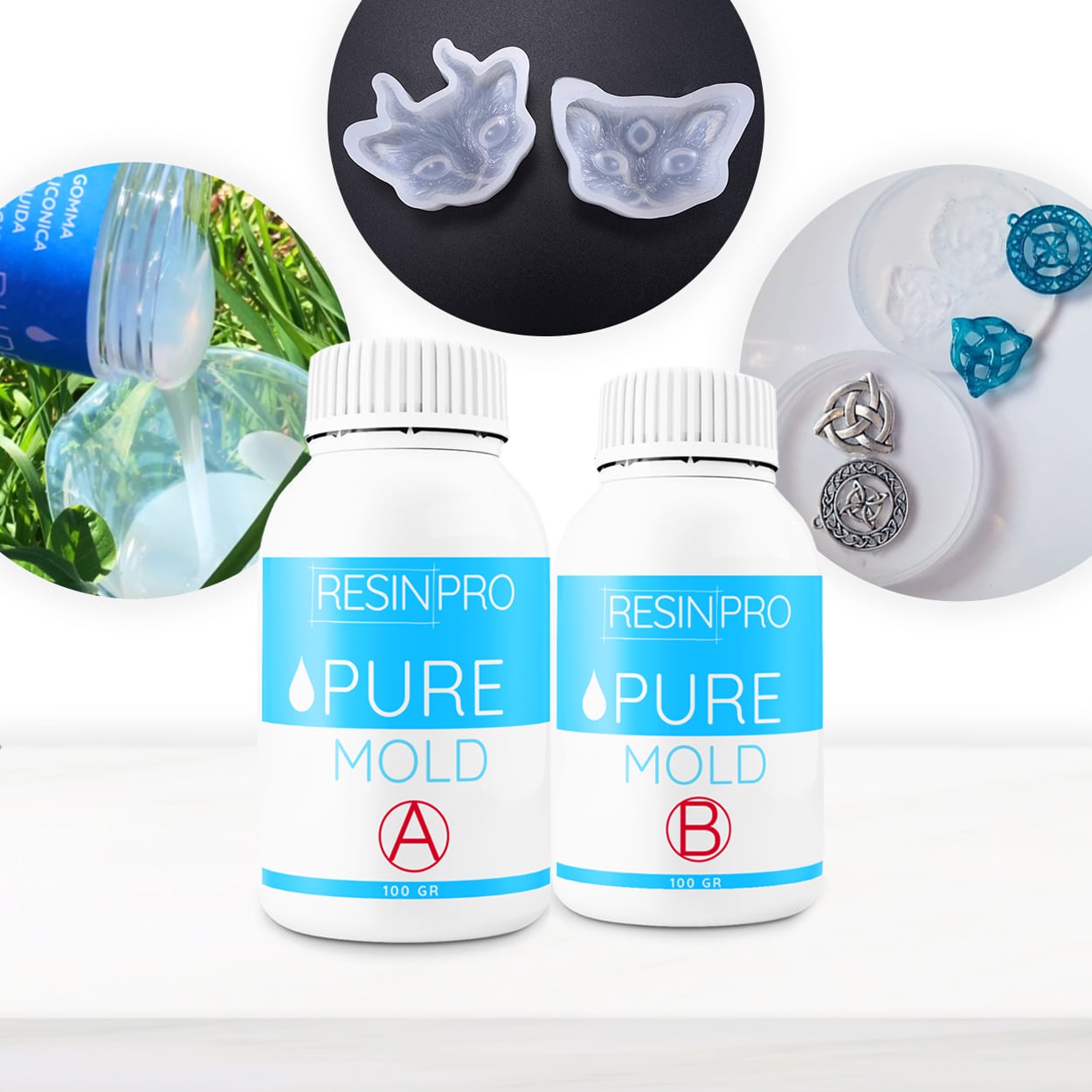
- “Pure Mould” – Translucent Liquid Silicone Rubber for Mould Making: A versatile, fast-curing silicone ideal for detailed and reusable moulds.
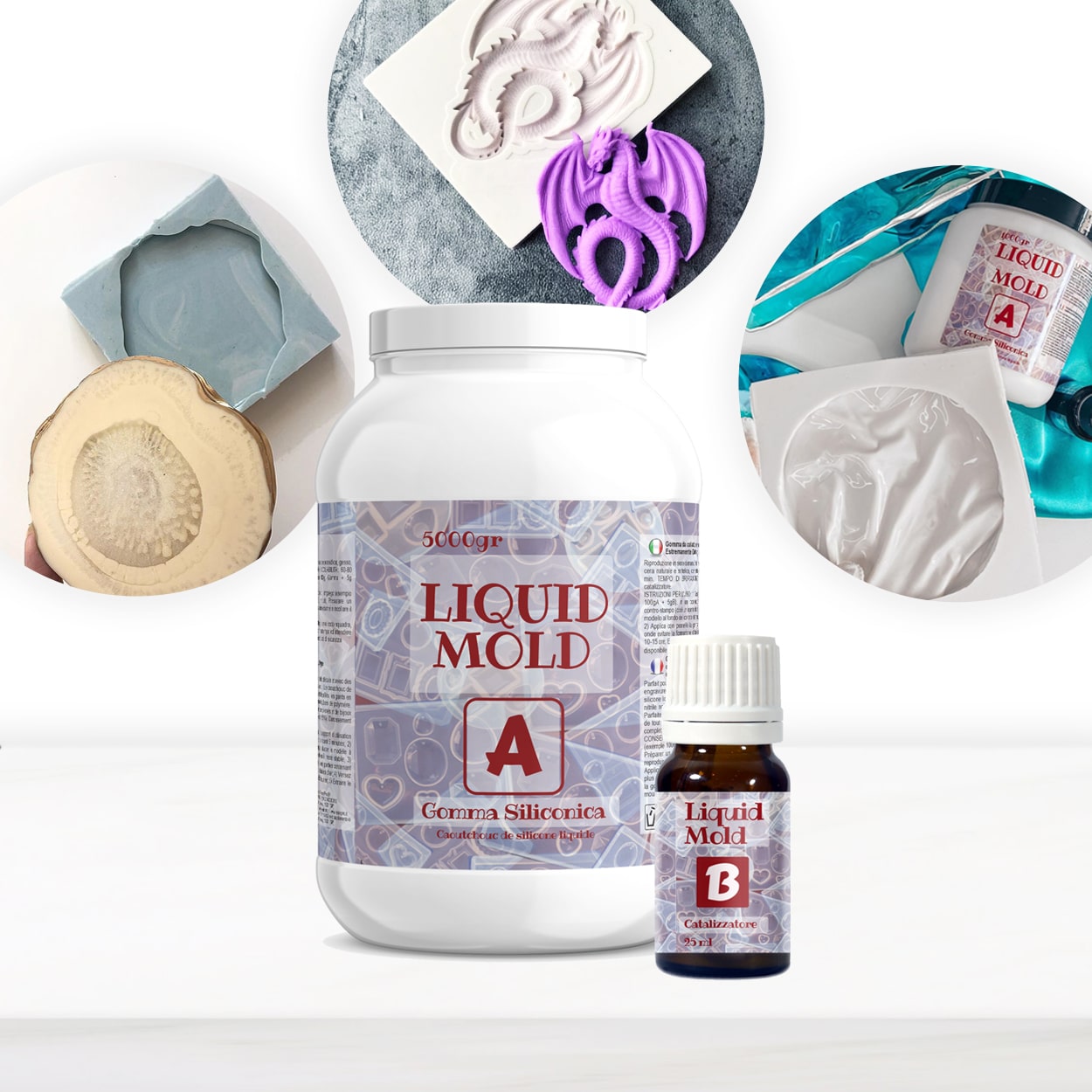
- “Liquid Mould” – Casting Liquid Silicone Rubber, 5-40 Shores, Bi-Component A+B: Perfect for fine details and complex undercuts.
- “I–Gum” – Non-Toxic Silicone Putty for Mould Making: Convenient for quick application and safe handling, great for smaller moulds and simple shapes.
- “Silicone Circle Mould” – For Creating with Epoxy Resin, Ø 20cm: Ready-made option for coasters and flat resin artworks.
- Model object (the item you wish to replicate)
- Mould box or container
- Mixing tools and digital scale
- Gloves, mask, and protective equipment
- Release agent (optional, but recommended for intricate models)
Essential Materials and Safety for Mould Making
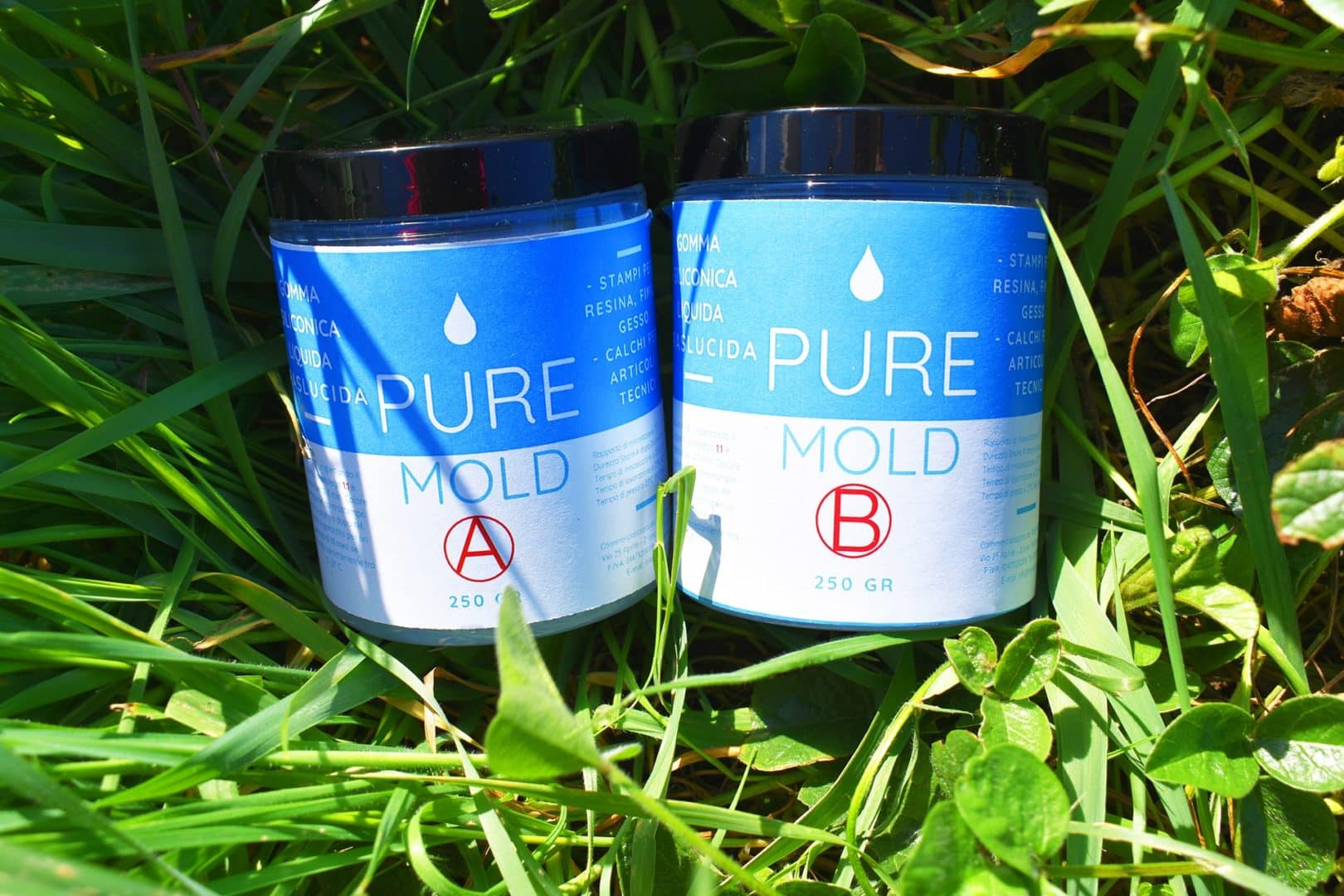
Using top-quality silicone rubber products and proper protective equipment is crucial for a successful and safe resin moulding process. Make sure all surfaces and tools are clean before you start, and seek products certified as non-toxic where possible. Work in a ventilated space, and keep gloves and a mask handy for added protection.
Step 1: Prepare Your Model and Workspace
Clean, dust-free workspace is essential for avoiding imperfections. Start by selecting your model and ensuring it is free from dust, oil, or grease, as contaminants can transfer onto your mould. Choose a stable, level surface and organise all materials in advance for efficiency. If your object has delicate or complex features, you may wish to secure it inside a mould box or reusable container, leaving enough clearance around the model for a sturdy mould wall.
For models with intricate details or undercuts, a thin coat of release agent helps ensure effortless demoulding and protects your original. Secure the object to the base of your mould box using adhesive or a small amount of clay, so it stays stable during the silicone pour.
Step 2: Measure and Mix the Silicone Rubber
Carefully review the mixing instructions for your chosen silicone. “Pure Mould” uses a 1:1 mixing ratio for base and catalyst, allowing precise measurements with a digital scale for best accuracy. If using “Liquid Mould”, measure the two components according to their instructions, typically a simple mix of part A and B. When using “I–Gum” putty, mix equal parts by hand until uniform in colour and texture.
Pour both parts into a clean mixing container and use a spatula or stirrer to combine. Avoid under-mixing silicone; any unmixed sections may result in sticky or uncured patches within your finished mould. Take your time and scrape the sides and bottom of the cup to ensure full incorporation. Once mixed, you should work efficiently, as silicone has a limited pot life before it starts setting.
Step 3: Pour or Apply the Silicone Over the Model
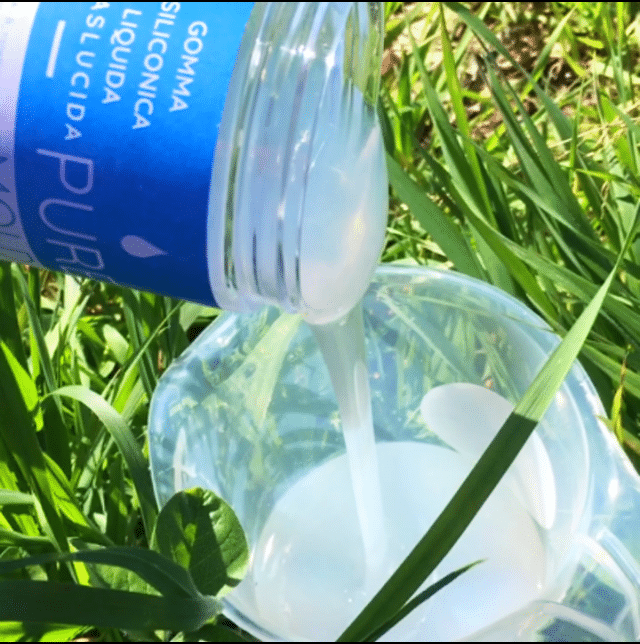
Plan your moulding layout to avoid bubbles and achieve full coverage. For pourable silicones like those from the “Pure Mould” or “Liquid Mould” selections, slowly pour the mixture from one corner so it gently envelops your model, minimising air entrapment. For shallow, delicate items, a thin initial layer brushed over the surface can improve detail pickup before the main pour.
If you are working with a silicone putty such as “I–Gum”, press and shape the putty evenly over the model while smoothing out any creases. Make sure all surfaces are fully covered and that you maintain a consistent thickness, especially around finer features. Release agent may be helpful for complex shapes, as it assists with demoulding, especially when using standard silicone rubbers.
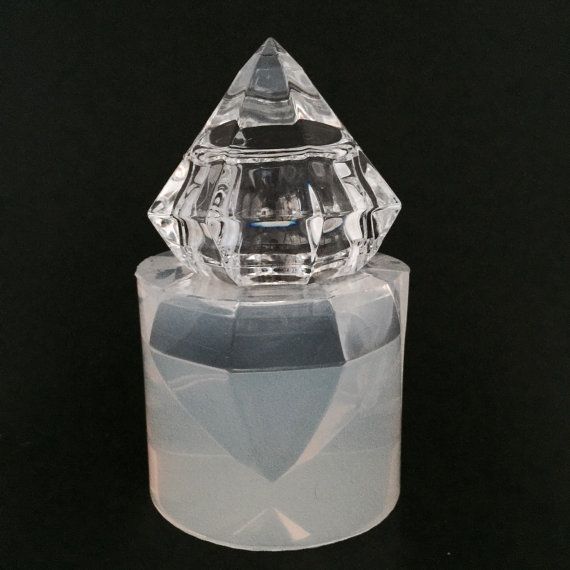
Step 4: Allow the Silicone to Cure Fully
The setting time varies by product—”Pure Mould” is fast, typically ready in 3–8 hours, whereas “Liquid Mould” and two-part putties may take longer, often overnight. Check the manufacturer’s instructions for precise curing times. Maintain a stable temperature and avoid disturbing the mould during the curing process to ensure accurate reproduction of details.
Allow full curing before demoulding—removing your model too soon risks tearing or stretching. When in doubt, err on the side of patience to guarantee a firm and flexible mould wall.
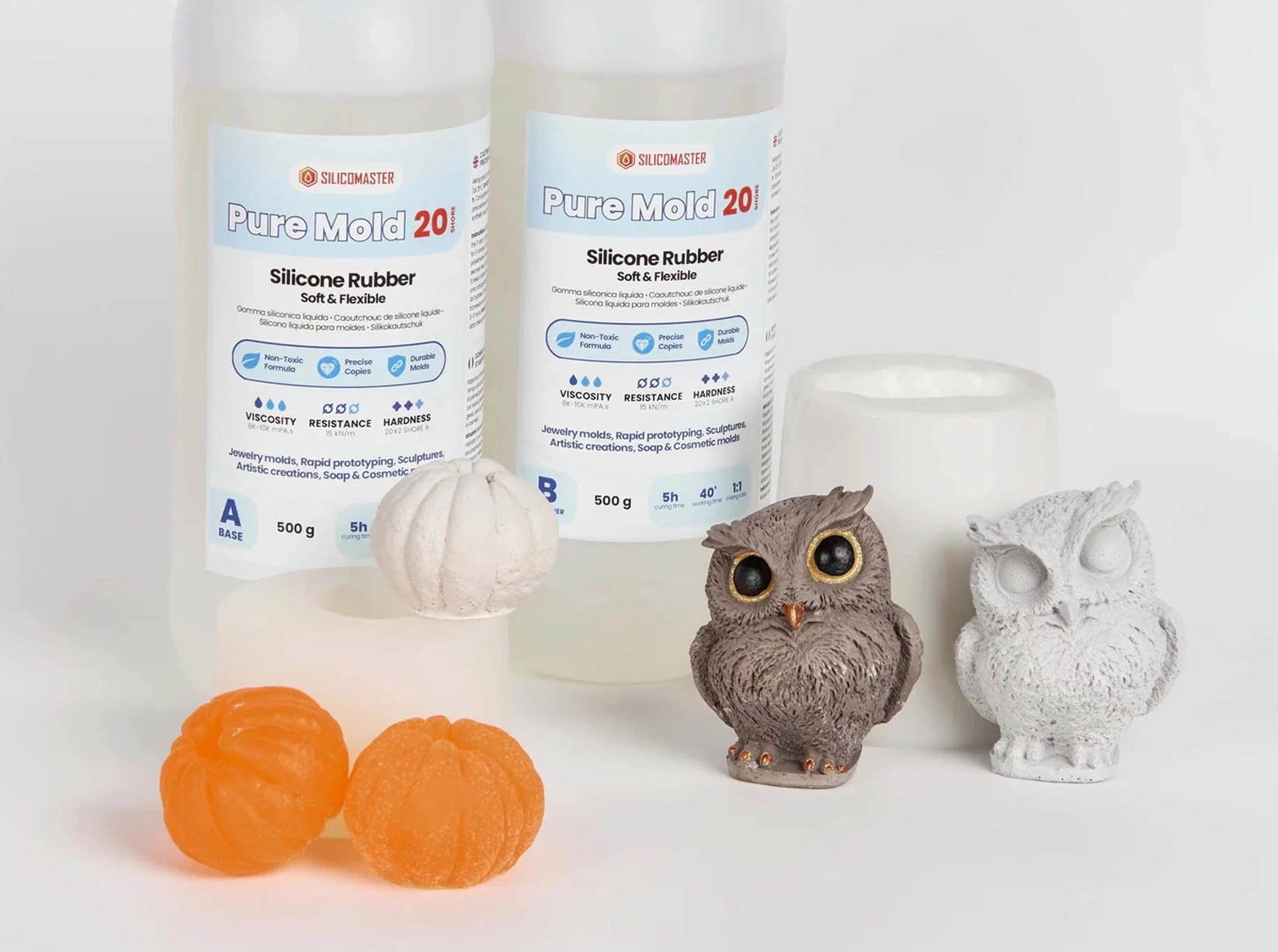
Step 5: Demould and Inspect Your New Mould
Once the silicone has fully set, gently flex the mould container to loosen the edges. Ease your original model out without forcing. Examine the mould for air pockets, defects, or areas where detail may have been lost. Clean up any flash (excess thin silicone) with sharp scissors.
Your silicone mould is now ready for resin casting, suitable for repeated use when properly maintained. Store it away from direct sunlight and heat to prolong its life.
Tips, Troubleshooting, and Common Mistakes
Use a digital scale for exact measurement to prevent curing issues. For models with deep undercuts, pour the silicone slowly and consider brushing the first layer to capture every detail. If you see bubbles forming, gently tap the sides of your container or use a toothpick to coax them to the surface. Always check compatibility of release agents with your chosen silicone and resin for best demoulding results.
Mould Making Inspiration and Creative Applications
Handmade silicone moulds allow for limitless creativity. Whether you are crafting jewellery, decorative pieces, coasters, or artistic resin works, a well-made mould is at the heart of each project. Get inspired by mixing dried flowers, keepsakes, metallic leaf, or pigments to produce uniquely personal castings using your new mould.
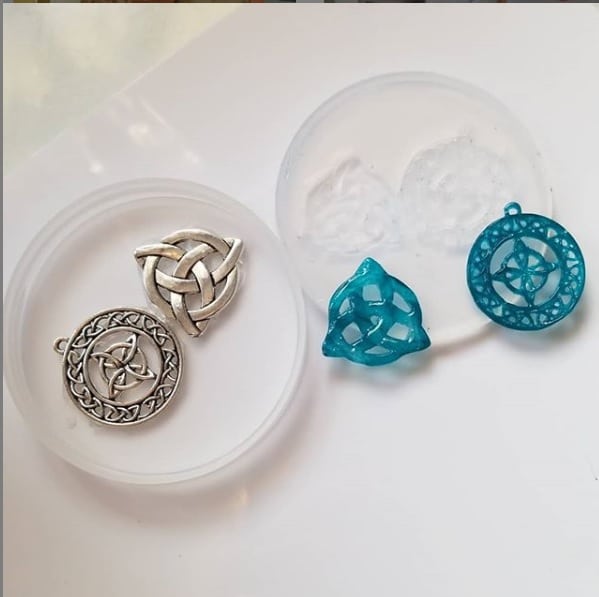
- "Pure Mould" – Translucent Liquid Silicone Rubber for Mould MakingPrice range: £22.85 through £158.85PLATINUM BASED TRANSLUCENT AND FAST CASTING LIQUID SILICONE RUBBER FOR MOULDS Excellent for hot waxes used in candle making. 🧪【INNOVATIVE…
- "Liquid Mould" – Casting Liquid Silicone Rubber, 5-40 Shores, Bi-Component A+BPrice range: £13.45 through £368.85"Liquid Mould" is designed for making detailed silicone moulds suitable for resin, soap, and polymer pastes in the context of silicone mould making.
 "I–Gum" – Non-Toxic Silicone Putty for Mould MakingPrice range: £22.85 through £99.85"I–Gum" is a non-toxic silicone putty designed for making moulds, suitable for resin and other casting materials.
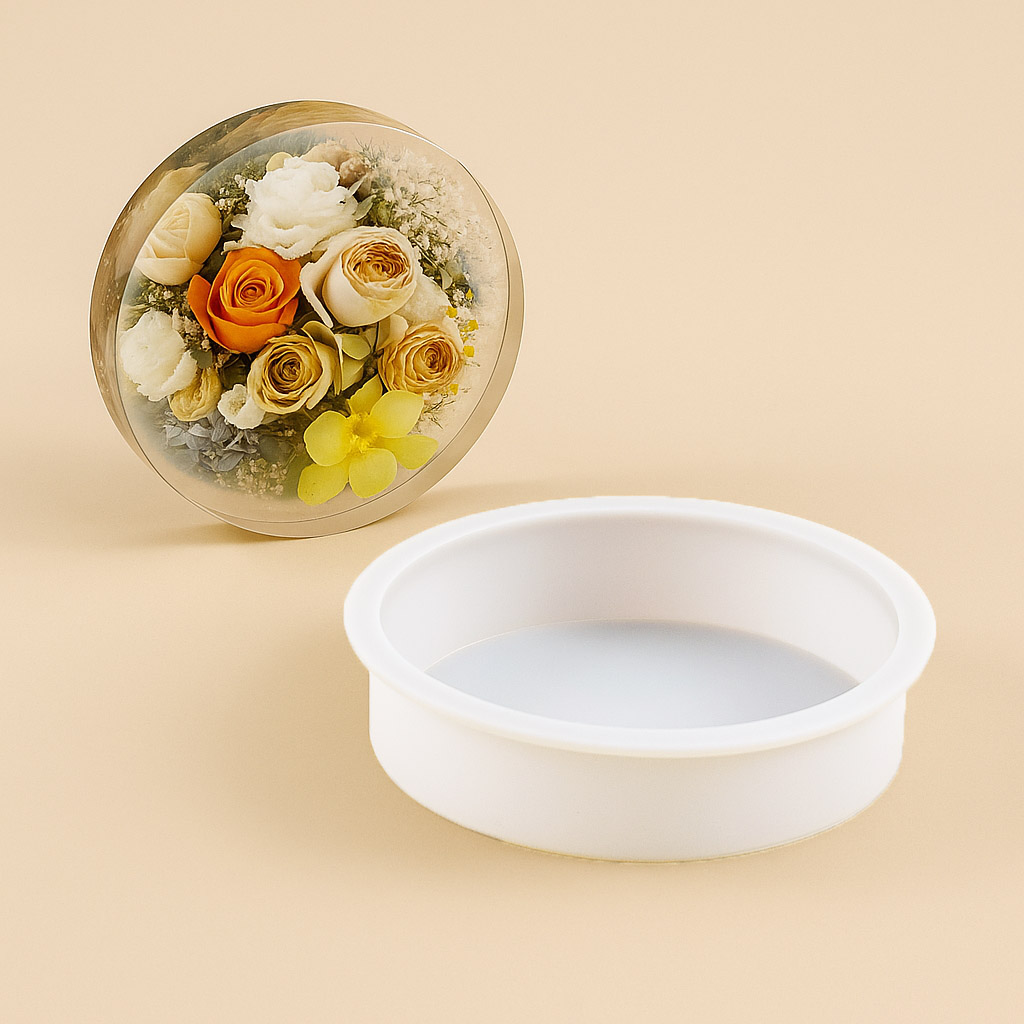 "Silicone Circle Mould" – For Creating with Epoxy Resin, Ø 20cm£12.85A flexible silicone mould suitable for making coasters and decorative resin objects with a diameter of 20 cm.
Frequently Asked Questions
How long does silicone take to cure for resin moulds?
Curing time depends on the product, ranging from 3–8 hours for fast silicones to overnight for other types. Always check the manufacturer's guidelines.
Do I need a release agent when making silicone moulds?
Release agents are recommended for intricate models or when using putties to ease demoulding and protect the original item.
Which silicone is best for making resin moulds?
"Pure Mould" and "Liquid Mould" are ideal for resin moulds due to their fine detail reproduction and versatility.
How can I reduce bubbles in my silicone mould?
Pour your silicone slowly into one corner or brush on a thin layer first. Use a pressure pot if available for bubble-free results.
What is the best way to store silicone moulds?
Keep silicone moulds in a cool, dry place away from direct sunlight to prolong their usability and prevent warping or degradation.
Can I use one silicone mould for different resins?
Most high-quality silicone moulds are compatible with various resins, but always confirm material suitability to avoid damage.
How do I demould resin from a new silicone mould?
Gently flex the mould to release the casting. Apply a release agent if you expect tight fits or undercuts in your design.