💥No. 1 Value Epoxy Resin in the UK💥
Free shipping on orders over £29.85

Protective Resin Coatings for Commercial Buildings

Quick answer

Protective resin coatings for commercial buildings are advanced surface treatments that enhance durability, resist wear from heavy footfall, and safeguard against moisture and chemicals. Applied to floors, walls, and various substrates, these coatings contribute to longevity, easy maintenance, and a clean, professional appearance. They are essential for demanding environments such as warehouses, retail spaces, and busy entrances.

Modern solutions for lasting surface protection and function

The demands on modern commercial buildings are subjected to relentless foot traffic, spills and environmental stress that can quickly degrade traditional surfaces. Whether you’re a facilities manager, property developer or simply a business owner taking pride in your premises, maintaining the fabric of your building isn’t just about compliance—it’s about projecting competence, safety and care to every visitor or employee.

Resin coatings have quietly revolutionised the way we manage and future-proof commercial interiors and exteriors. From seamless, gleaming floors to striking wall finishes, these products act as tough shields that can outlast many conventional alternatives. But what exactly makes resin the material of choice for commercial protection, and how does it perform day-to-day?

The Battle Against Wear and Tear

High-traffic zones such as reception areas, corridors and car parks can rapidly show signs of damage, especially under constant use. Resin coatings stand out because of their exceptional mechanical resistance—combating not just the everyday scuffs and scratches, but also the deeper threat posed by moisture and chemicals. For concrete floors and driveways where soak-through and cracking are common, a product like a one-component methacrylic resin offers waterproof yet breathable protection. Not only does this fortify the surface, but it also lengthens its service life and reduces maintenance headaches.

Simplicity in application can be an important factor, especially when time is tight and downtime costly. Single-component, fast-drying resins can be quickly applied and ready for service in hours, not days, minimising disruption in busy venues. The result is a surface that stands the test of time despite constant human and mechanical traffic.
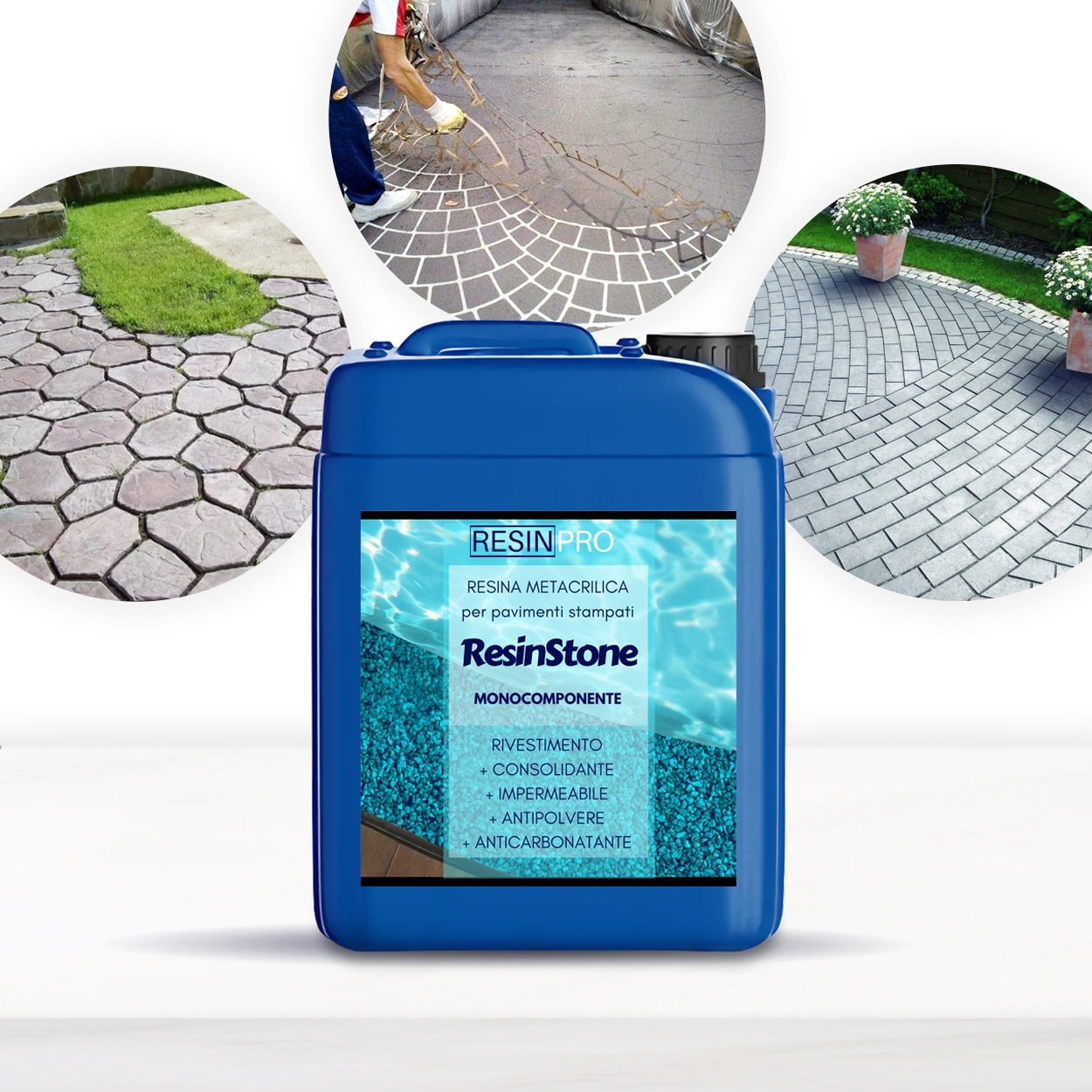
"Resinstone" - One-Component Methacrylic Resin for Concrete Floors and Driveways
"Resinstone" – One-Component Methacrylic Resin for Concrete Floors and Driveways
A one-component methacrylic resin suitable for protective sealing of concrete floors and driveways.

Safety, Hygiene and Practical Concerns

The functional value of resin coatings goes far beyond structural defence. Many businesses look to these solutions for ease of maintenance and hygienic properties. Seamless finishes eliminate the dirt-trapping joints or grout lines found in tiled surfaces, making thorough cleaning faster and more effective. In foodservice or healthcare environments, this can lead to genuine improvements in operational safety and compliance.

Additionally, modern resin technologies often feature enhanced resistance to staining agents and aggressive cleaning products, ensuring that the professional polish of a space can be upheld with minimal effort. Choosing the right formulation allows property owners to strike a crucial balance between slick aesthetics and practical resilience—a must in spaces used by hundreds or thousands daily.

From Utility to Visual Brilliance: Walls Included

If flooring is the heart of a building’s finish, then walls are its character. Decorative resin wall coatings, once reserved for upmarket spas or showpiece offices, are now an increasingly sought-after solution in hospitality, retail and even educational settings. These coatings elevate the appeal of vertical and sloping surfaces, providing a tactile, washable, and waterproof layer that withstands splashes and repeated cleaning.

What’s more, aesthetics now play a pivotal part. Modern resin wall systems can be tinted with vibrant or metallic pigments to achieve a bespoke look, contributing to brand identity or interior ambience. Their ease of application and versatility mean even heavily used spaces can have their mood refreshed or functionally upgraded—without invasive overhauls.
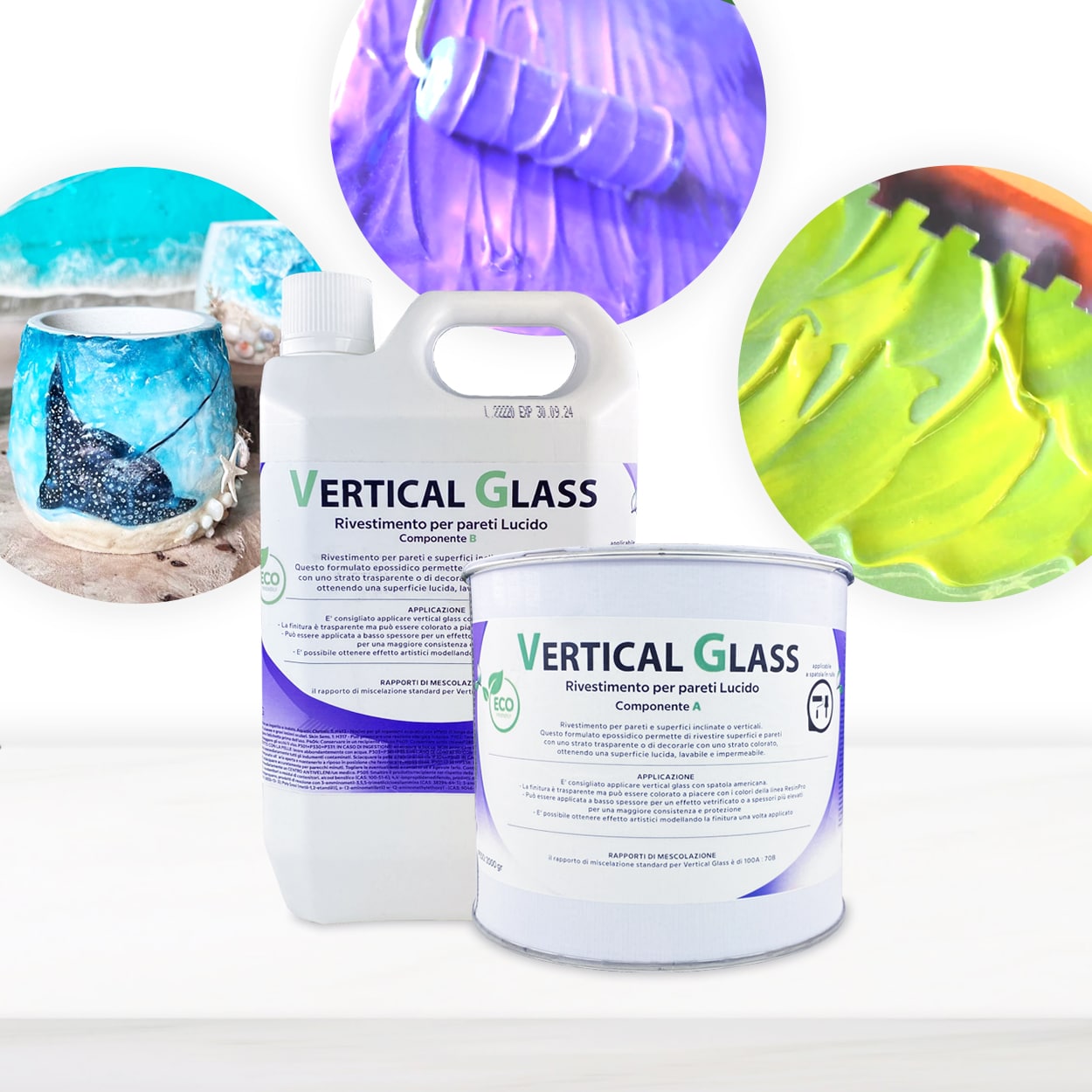
"Vertical Glass" - Thick Resin Decorative Wall Coating
"Vertical Glass" – Thick Resin Decorative Wall Coating
Thick epoxy resin wall coating designed for decorative protection on vertical and sloping surfaces in…

Exterior Protection: The Unseen Investment

The ability of a resin coating to protect outdoor and driveable surfaces is particularly crucial for commercial sites. Car parks, loading bays and entrance ramps all endure punishing cycles of wet weather, sunlight, and vehicular abrasion. Polyurethane-based formulations are renowned in these contexts for their UV stability, weather resistance, and tenacious adherence to substrates from concrete to steel.

Durability is not just about withstanding the elements—slip-resistance options and high-coverage application in a single coat can make exterior spaces safer and more cost-effective to maintain. It’s here that the practical benefits of certification and compliance come to the fore, ensuring that the invisible shield beneath our feet also meets rigorous industry standards for long-term performance.
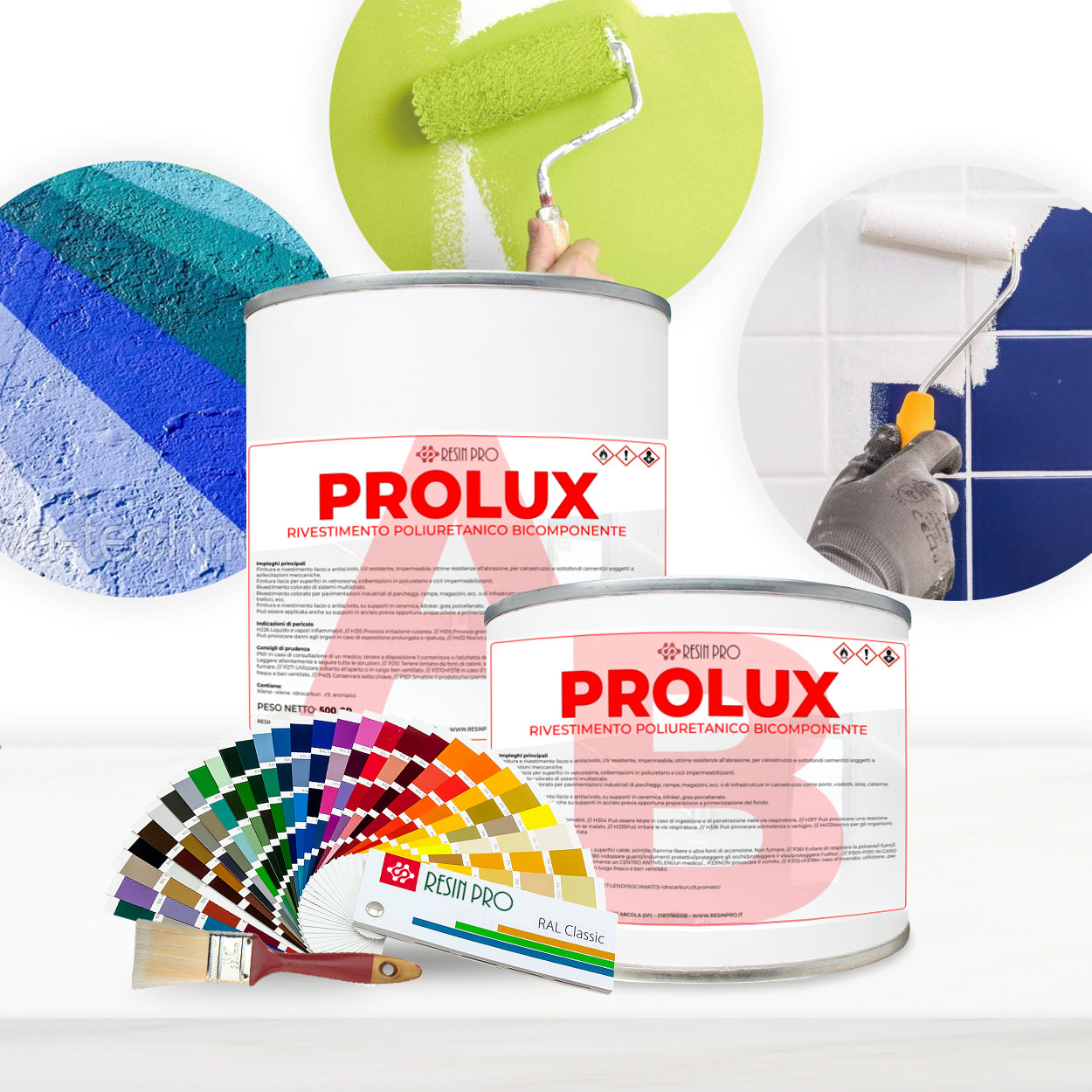
"Prolux" – PU coating for tiles, concrete, plastic and metal – suitable for driveable surfaces
A professional two-component polyurethane coating for durable, UV-resistant finishes on various commercial…

The Place for Transparent Protection

In commercial spaces that feature natural materials or detailed features—such as bespoke wooden elements, decorative concrete, or even embedded signage—a clear resin can provide lasting protection without muting character. Transparent epoxy coatings offer a scratch-resistant, glossy surface, preserving both appearance and underlying value.

Such solutions are ideal not only for creative or restoration projects but also as a final protective seal for surfaces in need of both clarity and enduring strength. A judiciously chosen clear resin coating offers peace of mind: resilience, ease of cleaning, and reassuringly reliable performance, even in complex or high-exposure areas.
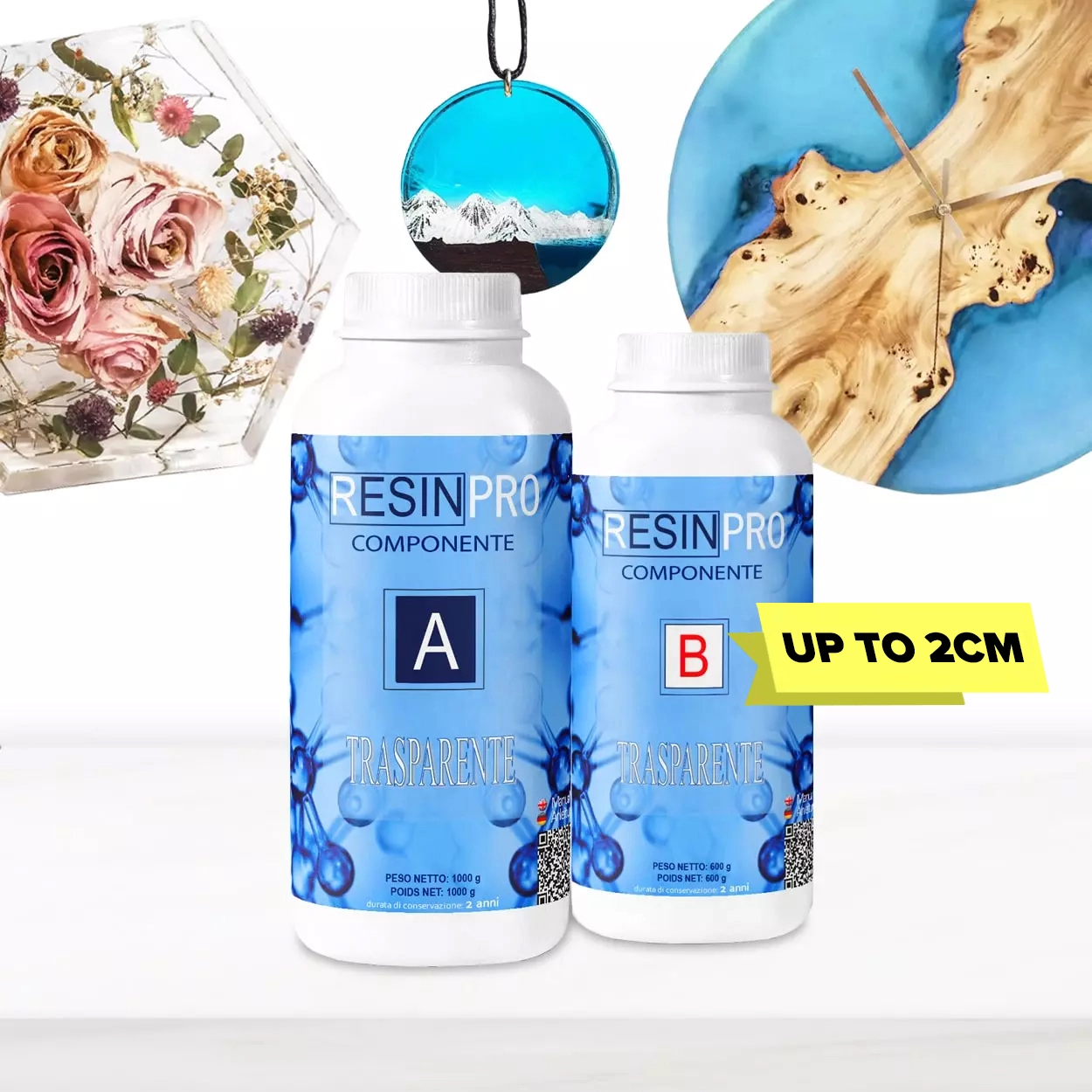
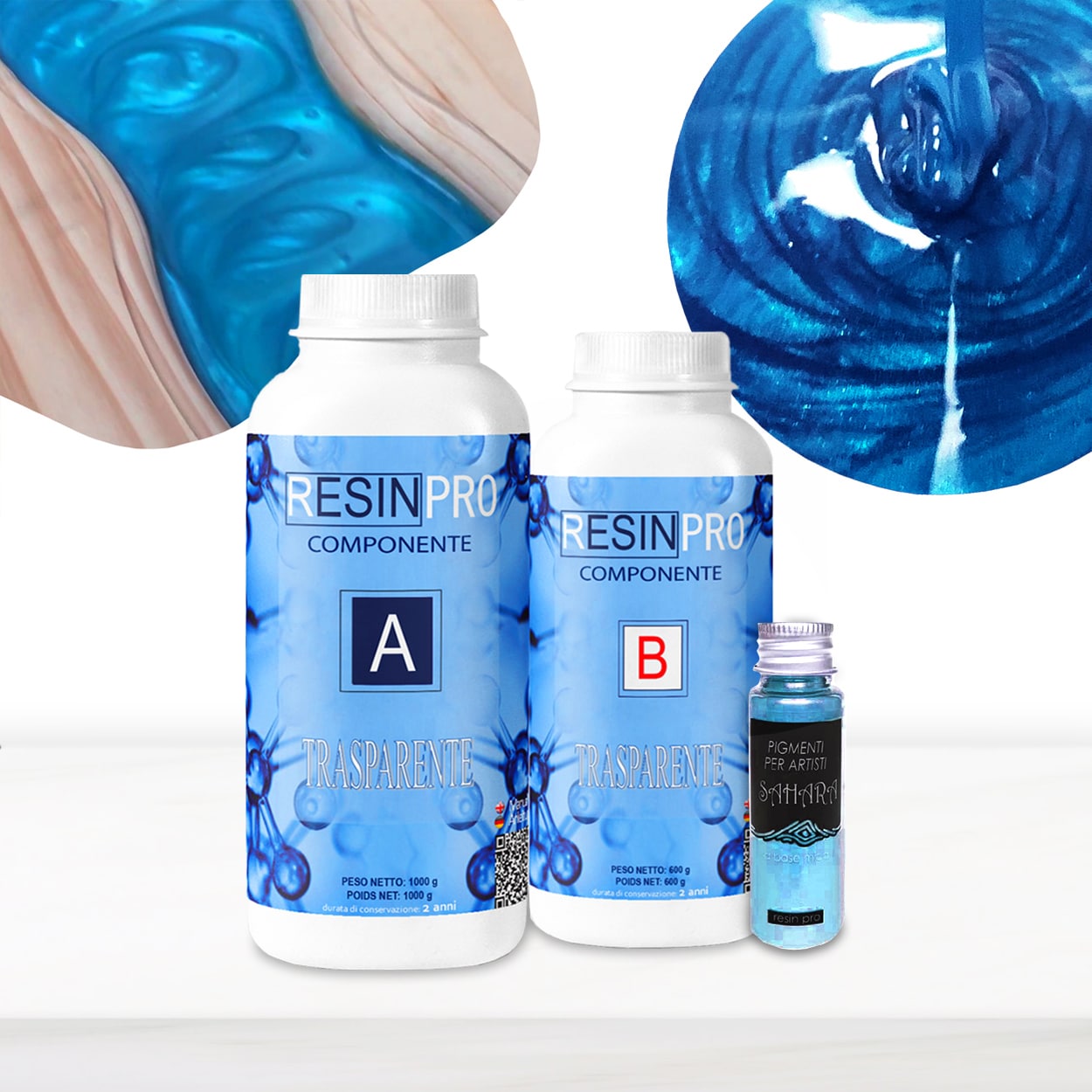
"Trasparente" - Multipurpose Clear Epoxy Resin for Casting – Up to 2cm
"Trasparente" – Multipurpose Clear Epoxy Resin for Casting – Up to 2cm
A multipurpose transparent epoxy resin suitable for casting up to 2cm layers with clear, scratch-resistant,…

Frequently Asked Questions

How do resin coatings improve hygiene in commercial spaces?

Resin coatings create seamless, non-porous surfaces that do not trap dirt or moisture, making them much easier to clean and sanitise. This helps in meeting strict hygiene standards in industries such as healthcare and food service.

Read the full guide

Are resin coatings suitable for outdoor commercial areas?

Yes, certain resin coatings are specifically formulated to resist UV exposure, rain, and temperature changes, making them ideal for use on parking areas, ramps and driveways at commercial buildings.

Read the full guide

Can resin coatings be customised for branding or decorative effects?

Absolutely. Many modern resin systems can be tinted with bespoke colours or metallic pigments, allowing businesses to reflect their brand identity or achieve a specific design theme across floors and walls.

Read the full guide

What regular maintenance do resin-coated surfaces require?

Routine maintenance usually involves simple sweeping and mopping, as the smooth finish resists stains and dirt. Occasionally, specialist cleaning agents may be used depending on the type of resin and environment.

Read the full guide

Do resin coatings help with slip resistance in busy areas?

Many resin coatings can be specified with anti-slip additives, improving safety in both indoor and outdoor settings where floors may get wet or see heavy pedestrian use.

Read the full guide

Protective resin coatings are more than just practical solutions—they’re a conscious investment in a building’s longevity, appearance and experience. By thinking beyond paint and tiles, property owners can unlock efficiencies and aesthetics that future-proof their commercial spaces. As technology and design continue to evolve, the meeting point of durability and inspiration is right underfoot—and often, on the walls as well.
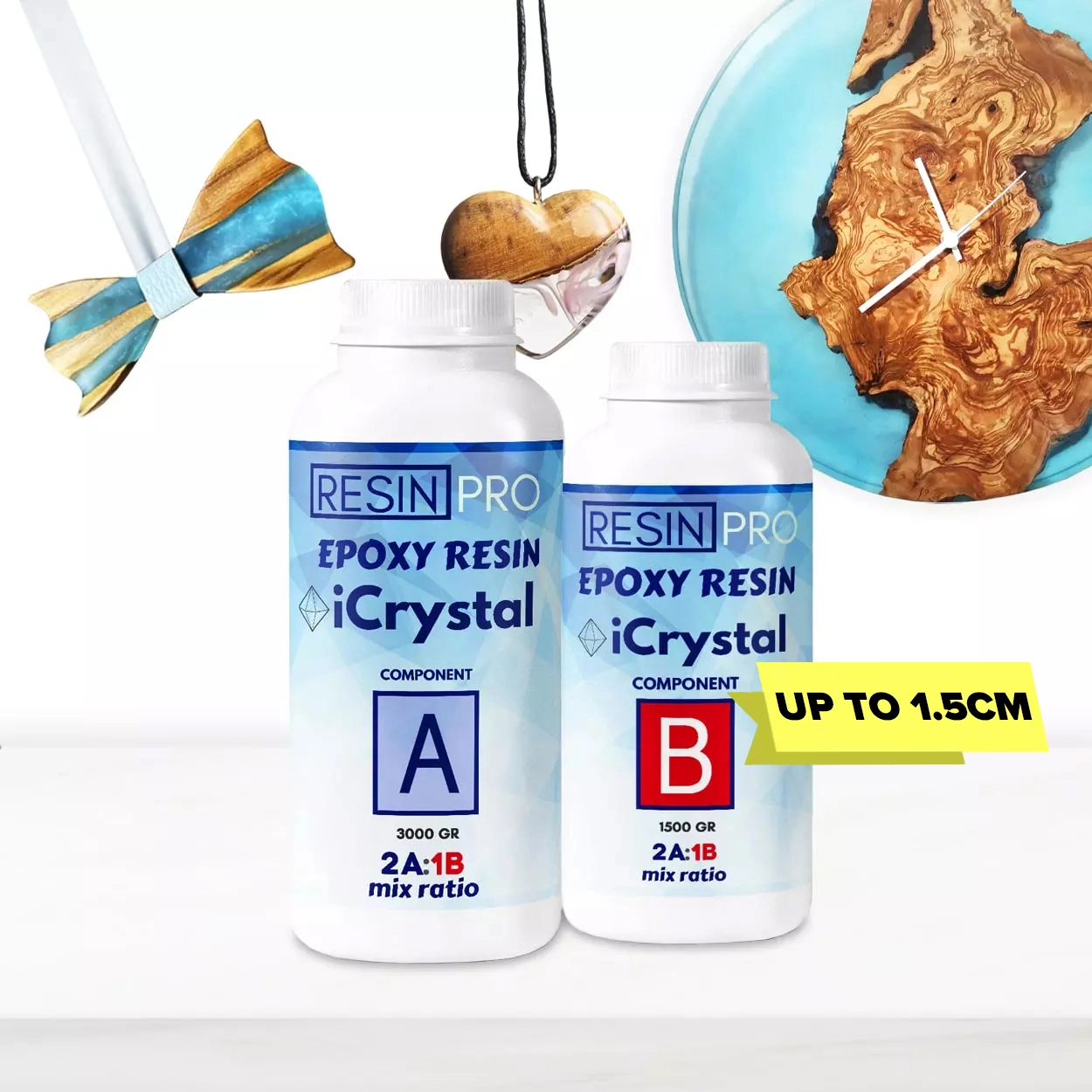
Best Flooring Systems for Workshops and Warehouses

Quick answer

Choosing the best flooring for workshops and warehouses means balancing durability, safety, and maintenance. Concrete remains a staple, but coatings such as epoxy, polyurethane, and methacrylic resins enhance resistance to wear, chemicals, and moisture. The right system depends on expected traffic, temperature changes, and the need for slip resistance, making it critical to weigh both performance and upkeep when deciding.

Durability, safety, and practicality beneath your feet

Walk into any busy workshop or warehouse and you’ll quickly realise that the floor beneath your shoes is more than just a passive surface—it’s fundamental to the space’s function and safety. A well-chosen floor can last for years despite constant traffic, shifting equipment, and occasional knocks, while the wrong choice can mean costly repairs and even safety risks.

In industrial settings, the demands are relentless. Spillages, forklifts, trolleys, and exposure to sunlight or chemicals all conspire to test the resilience of your floor. So, what makes a flooring system genuinely suited to these environments, and what options do modern materials offer for those seeking performance and reliability?

Understanding the Demands of Industrial Floors

Industrial and workshop floors have to do much more than just support weight. Whether you’re running a compact workshop or a vast warehouse, the choice of substrate has consequences for safety, efficiency, and even compliance. Floors in these spaces are exposed to continual foot and vehicle traffic, abrasion from heavy loads, chemical spills, and shifting temperatures—sometimes all within a single day. They must also meet expectations for hygiene and be easy to repair if damage occurs. That means the criteria for selection are far more exacting than in domestic or office settings, where aesthetics may hold more weight.

"Prolux" – PU coating for tiles, concrete, plastic and metal – suitable for driveable surfaces
Professional two-component polyurethane coating designed for durable, wear-resistant flooring on various…

Durability and Resistance: The Core Challenges

For any industrial or commercial workspace, resistance to abrasion, chemicals, and mechanical impact is not a luxury—it’s the baseline. While concrete remains a robust choice, its porosity leaves it vulnerable to moisture ingress, staining, and dusting unless treated. Here is where resin coatings come into their own, offering sealed, hardened surfaces that shrug off challenges which would leave raw concrete scarred and stained. Polyurethane coatings, in particular, have become popular for their flexibility in both indoor and outdoor applications, withstanding UV, yellowing, and heavy wheel traffic. Epoxy resins, celebrated for their compressive strength and chemical resistance, are also widely adopted for high-traffic interiors.

"Resinstone" - One-Component Methacrylic Resin for Concrete Floors and Driveways
"Resinstone" – One-Component Methacrylic Resin for Concrete Floors and Driveways
RESINSTONE is designed for sealing and protecting concrete floors and driveways with quick drying and durable…

Adapting to Moisture and Temperature Fluctuations

A common challenge for warehouse and workshop floors is coping with damp conditions—whether from frequent washing down, external weather, or inherent ground moisture. flooring that copes with wet or damp conditions without becoming unsafe, or suffering in terms of durability, is vital. Some modern methacrylic and polyurethane-based coatings offer breathable, waterproof solutions—succeeding where traditional materials might fail. These can be applied to surfaces such as concrete, helping prevent water ingress and subsequent freeze-thaw damage while maintaining slip resistance and even appearance over time.

"Icrystal" - Clear Epoxy Resin – Odourless Formula – Up to 1.5cm
"Icrystal" – Clear Epoxy Resin – Odourless Formula – Up to 1.5cm
Clear, odourless epoxy resin designed for scratch-resistant, durable coatings on tables and surfaces.

Maintenance and Cleanliness in Busy Environments

Workshops and warehouses are rarely pristine. The right flooring system not only resists staining and scratching, but should facilitate easy clean-up of dust, oils, or chemical residue. Flooring that is easy to clean and maintain can make or break day-to-day operations, affecting everything from staff morale to long-term building upkeep. Smooth, continuous resin surfaces are prized here, as they offer minimal seams or grout lines to trap dirt, making sweeping or hosing down far more efficient than with tiles or untreated concrete. High-gloss, scratch-resistant coatings on workbenches or work zones can further enhance cleanliness while projecting a professional image.

The Foundation: Why Surface Prep Is Everything

Even the best resin or polyurethane system is only as good as the floor beneath it. best results require careful attention to substrate preparation. Skipping steps here—filling cracks, removing old adhesives, ensuring correct humidity—can lead to problems such as bubbling, delamination, or uneven curing. A universal, water-based two-component epoxy primer can help facilitate the vital bond between substrate and a subsequent resin coating, especially when working with mixed materials like concrete, wood, or tiles. This primer forms the invisible backbone for hard-working floors, promoting long-lasting adhesion and resistance to lift or peeling.

"Epoxyprimer" - Universal Water-Based Two-Component Epoxy Floor Primer
"Epoxyprimer" – Universal Water-Based Two-Component Epoxy Floor Primer
A versatile water-based epoxy primer suitable for preparing concrete, timber, tiles, and screed surfaces for…

Frequently Asked Questions

Do resin floors work well in old industrial buildings?

Resin floors can be applied in older buildings, provided the substrate is properly prepared. This often means addressing damp, cracking, or uneven surfaces before applying coatings for the best results.

Read the full guide

How can I prevent slip accidents on factory floors?

Installing flooring with anti-slip properties, particularly in wet or high-traffic areas, can greatly reduce slip risks. Regular cleaning and maintenance also play key roles in keeping floors safe.

Read the full guide

How often do industrial floors need refinishing?

The frequency depends on the floor's exposure to heavy traffic, chemicals, and abrasion. Some resin and polyurethane systems can last many years with proper care, while others may need more frequent touch-ups.

Read the full guide

Can resins be used on wooden workshop floors?

Certain resin systems are designed to adhere to timber substrates, but surface preparation and picking a compatible primer are essential for a successful, durable result.

Read the full guide

What are the hygiene benefits of seamless resin floors?

Seamless resin floors minimise grout lines and joints where dirt and bacteria might collect, making them easier to clean and helping facilities maintain higher hygiene standards.

Read the full guide

Choosing a workshop or warehouse floor isn’t simply a matter of aesthetics or initial budget—it’s an investment in safety, productivity, and the long life of your facility. With the array of modern coatings and preparation systems available, tackling industrial flooring can become a practical, manageable process, supporting both the people and the processes that rely on it every day.

Self-Levelling Epoxy Floors: Pros and Cons

Quick answer

Self-levelling epoxy floors are seamless surface coatings formed by pouring a specially formulated resin that naturally levels out to create a smooth, durable finish. These floors are valued for their high-gloss appearance and resilience, making them popular choices for modern homes, commercial spaces, and workshops. However, installation requires careful preparation and ongoing maintenance is essential to keep the floors looking their best.

Exploring the promises and realities behind epoxy floor coatings

There’s a certain fascination with floors that seem to ripple like glass—a sleek, uniform finish underfoot that makes spaces instantly more modern. That’s the promise of self-levelling epoxy flooring. Whether it’s the draw of an industrial loft aesthetic or simply a thirst for something easy to clean, many are tempted by these futuristic surfaces.

But as with any design trend, the realities often lurk beneath the gloss. What looks effortless might hide technical quirks and necessary trade-offs. Let’s take a clear-eyed look at what self-levelling epoxy floors really offer, and where you might want to pause before taking the plunge.

What Makes Self-Levelling Epoxy Floors Unique?

Unlike traditional floor coverings that are laid in sheets or tiles, self-levelling epoxy involves pouring liquid resin which spreads and settles to create a completely even surface. This is what allows for creating seamless, stylish surfaces free of grout lines or joints—perfect for contemporary settings and high-traffic areas alike.

The end result is a high-gloss, light-reflective finish with a depth of colour that’s difficult to achieve using standard paint or varnish. For spaces where hygiene or easy cleaning is a top priority—think kitchens, studios, or workrooms—the absence of seams is a serious advantage, as there are fewer places for dust or bacteria to collect.

"Icrystal" - Clear Epoxy Resin – Odourless Formula – Up to 1.5cm
"Icrystal" – Clear Epoxy Resin – Odourless Formula – Up to 1.5cm
A transparent, odourless epoxy resin designed for a durable, self-levelling finish up to 1.5cm.

The Allure: Aesthetics and Everyday Practicality

The visual appeal of epoxy flooring isn’t just about shine. These floors can be tinted, swirled with colour, or flecked with metallic powders for dramatic custom effects. For DIYers or craftspeople wanting a unique, bespoke finish, the customisation is virtually limitless. In functional terms, the dense cured surface brings stain and scratch resistance that stands up well to spills, moving chairs, or dropped tools.

Modern epoxy formulations often feature UV filters and anti-yellowing agents to help maintain their clarity over time—especially useful in sunlit spaces or rooms with large windows. Choosing a product specifically designed for indoor environments, particularly those marked as odourless or non-toxic, makes a considerable difference for comfort during installation and use.

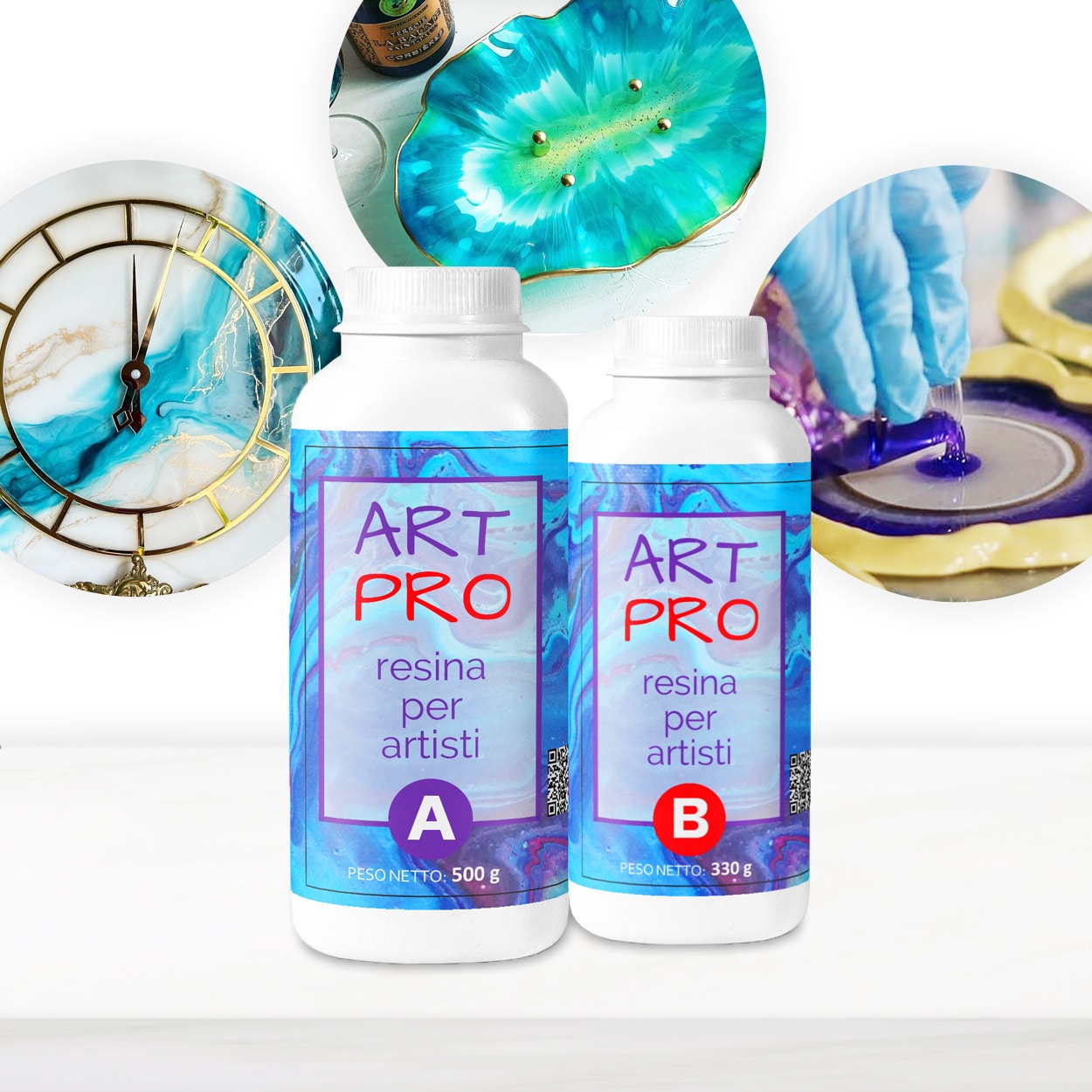
"Art Pro" – Clear Epoxy Resin for Artists and Surface Coating
Medium viscosity clear epoxy resin designed for artists, suitable for durable, glass-like finish coatings on…

Installation: Not as Simple as It Looks

For all its visual simplicity, proper epoxy application is a technically involved process. The subfloor must be perfectly clean, dry, and even—preparation is more demanding than many expect. Any dust, oil, or minor cracks can ruin the finish by creating bubbles or uneven patches. What’s more, mixing ratios must be scrupulously maintained to ensure the resin cures correctly and achieves advertised strength and clarity.

Another common surprise is the glossy finish tends to highlight imperfections rather than disguise them. Any bumps or dents in the underlying floor can become even more noticeable after resin is applied. And if you’re pouring thick layers, consider the working temperature and recommended depth per pour, as going too thick in one shot can cause overheating or incomplete curing.

"Trasparente" - Multipurpose Clear Epoxy Resin for Casting – Up to 2cm
"Trasparente" – Multipurpose Clear Epoxy Resin for Casting – Up to 2cm
A professional-quality, clear epoxy resin designed for casting layers up to 2cm with self-levelling finish…

Downsides: What You Might Not Expect

Despite their strengths, self-levelling epoxy floors do have limitations. They can be susceptible to surface scratching from grit or dragging heavy furniture, and while tough against most stains, harsh chemicals may damage the finish over time. UV stability is improved in newer products, but prolonged direct sunlight can still cause gradual discoloration. Noise is another quirk: solid epoxy floors often transmit sound more sharply than carpet or vinyl options.

One must also factor in the need for proper ventilation during installation, especially in smaller or poorly ventilated spaces—even odourless resins should be handled with care. And when the surface eventually does get worn or loses its gloss, recoating or professional sanding may be necessary to restore its original look.

"Trasparente" Epoxy Resin Kit 800g + Mica Powder 10g – 10 Colour Variations
An ultra-clear, multi-purpose epoxy resin kit designed for creative and restoration projects with a…

Caring for Your Epoxy Floor

Routine maintenance generally means simple sweeping and the occasional mop—no need for waxing or complex polishes. However, to prevent abrasion, using felt pads under furniture and removing sand or grit regularly is highly recommended. If the unexpected does happen—chips, dents, or dullness—occasional re-finishing can extend both the beauty and service life of your flooring without major renovation.

For creative repairs or updates, certain resin kits designed for self-levelling applications make it straightforward to patch small sections or renew the surface’s glow. Colour pigments, such as those included in all-in-one resin kits, can also be used to refresh or completely transform the look without laying an entirely new floor.

Frequently Asked Questions

Is self-levelling epoxy flooring a suitable DIY project?

While handy DIYers can install self-levelling epoxy flooring, it requires careful preparation, correct mixing, and attention to environmental factors. Minor mistakes can affect the end result, so beginners should research thoroughly or consider professional advice.

Read the full guide

Will epoxy floors eventually turn yellow or fade?

Older epoxies sometimes turned yellow after lengthy sun exposure, but modern formulas often include UV stabilisers to reduce this risk. Still, some fading or discolouration may happen in areas with intense, direct sunlight over years.

Read the full guide

What is the expected lifespan of an epoxy floor?

With proper installation and regular care, self-levelling epoxy floors may last 7–15 years or more in residential spaces. Heavy traffic and improper maintenance can reduce this, but light re-coating often refreshes the surface.

Read the full guide

Are there any health or safety concerns with epoxy flooring at home?

Most modern epoxy resins for flooring are low in fumes and are safe when fully cured. Installation requires good ventilation, gloves, and correct usage as some chemicals can be irritant in liquid form.

Read the full guide

Is epoxy flooring suited to wet rooms like bathrooms or laundries?

Epoxy floors are waterproof and seamless, so they're suitable for bathrooms and wet areas. However, care should be taken as their glossy finish can be slippery when wet—adding anti-slip additives is advised.

Read the full guide

Epoxy flooring speaks to both the heart and the head: it’s hard not to admire the shine, but it pays to approach the idea with realistic expectations. A little planning and honesty about your needs and space can help you decide whether self-levelling epoxy is the right fit—or just an alluring idea better admired from afar.

Common Resin Driveway Problems

Quick answer

Common resin driveway problems include water pooling, surface cracks, discolouration, and weed growth. These issues can result from poor drainage, substrate movement, or improper installation. Addressing such challenges often involves improving drainage, using compatible weed membranes, and selecting the right resin systems for durability and UV resistance. Regular maintenance also plays a key role in preventing long-term damage.

Addressing puddles, cracks, and weed growth for lasting driveways

Resin driveways have quickly become a popular option across the UK, thanks to their modern appearance and customisable finish. But anyone who has installed or inherited one will know they are not immune to problems. While a well-laid resin driveway combines style and practicality, recurring issues like pooling water, weeds, and cracks can prove stubbornly persistent. Understanding the causes behind these challenges is the first step towards creating a driveway that stands up to real-world use.

As with many building materials, the devil is in the detail. Overlooking the science behind resin systems, substrate preparation or drainage can undermine even the sleekest surface. Let’s delve into how these issues develop—and what actually works to resolve them for the long term.

Water Pooling and Drainage Problems

One of the most frequent frustrations for resin driveway owners is surface water drainage is essential to keeping your drive safe and clean. Puddles often form when water cannot penetrate the surface, typically due to incorrect installation or the use of non-permeable resin systems. Inadequate compaction of the base layer or choosing the wrong aggregate size can also leave the driveway prone to unsightly, slippery water pooling.

The solution is to choose a system designed specifically for permeability. Not only does this support local drainage regulations, but it dramatically reduces the likelihood of surface water problems year-round. Well-designed permeable kits, particularly when used with an appropriate binder and aggregate combination, can address the twin challenges of water management and durability, making them ideal for high-traffic areas at risk of flooding or puddling.

Weathering, Discolouration and Surface Wear

The British climate puts every driveway surface to the test—UK weather is famously unpredictable, and fluctuating temperatures, rain, and UV exposure all take their toll. Resin surfaces sometimes develop a patchy appearance or fade, particularly if lower-grade or non-UV-stable resins are used. Meanwhile, grittiness and light chipping are signs that the surface has started to lose its integrity under regular vehicle use.

This is where resin choice really counts. A resin formulated for UV and abrasion resistance is key to keeping colours vibrant and the finish strong, even within our varied seasons. Selecting a coating designed to handle driveable surfaces not only prevents yellowing, but also ensures that the surface retains its professional finish far beyond its first summer.

"Prolux" – PU coating for tiles, concrete, plastic and metal – suitable for driveable surfaces
A two-component aliphatic polyurethane coating for durable, weather-resistant finishes on various surfaces…

Structural Instability: Cracks and Subsidence

Beneath the smart surface of any resin driveway, what lies underneath is critical. structural resilience starts beneath the surface, and any weakness in the sub-base quickly leads to cracking, shifting, or sunken patches as cars come and go. Settlement or movement in the substrate, typically caused by inadequate compaction, subpar materials, or natural ground shift, undermines the resin layer, manifesting as cracks or even potholes.

Professional-grade surface sealing can make a big difference in how effectively the top coat absorbs, disperses, and repels moisture. Products designed to penetrate deeply into concrete bases both seal porous materials and provide flexible, enduring protection, minimising the chance of water-based deterioration over time.

"Resinstone" - One-Component Methacrylic Resin for Concrete Floors and Driveways
"Resinstone" – One-Component Methacrylic Resin for Concrete Floors and Driveways
A one-component methacrylic resin for sealing and durable protection of concrete floors and driveways.

Invasion of Weeds and Roots

Even the hardest surface will struggle when persistent weeds break through from below. Over time, weed infiltration not only spoils appearance but also undermines structural cohesion, leading to small splits or lifting at the edges. Most often, this occurs when driveway installation neglects a proper weed suppression layer or membrane.

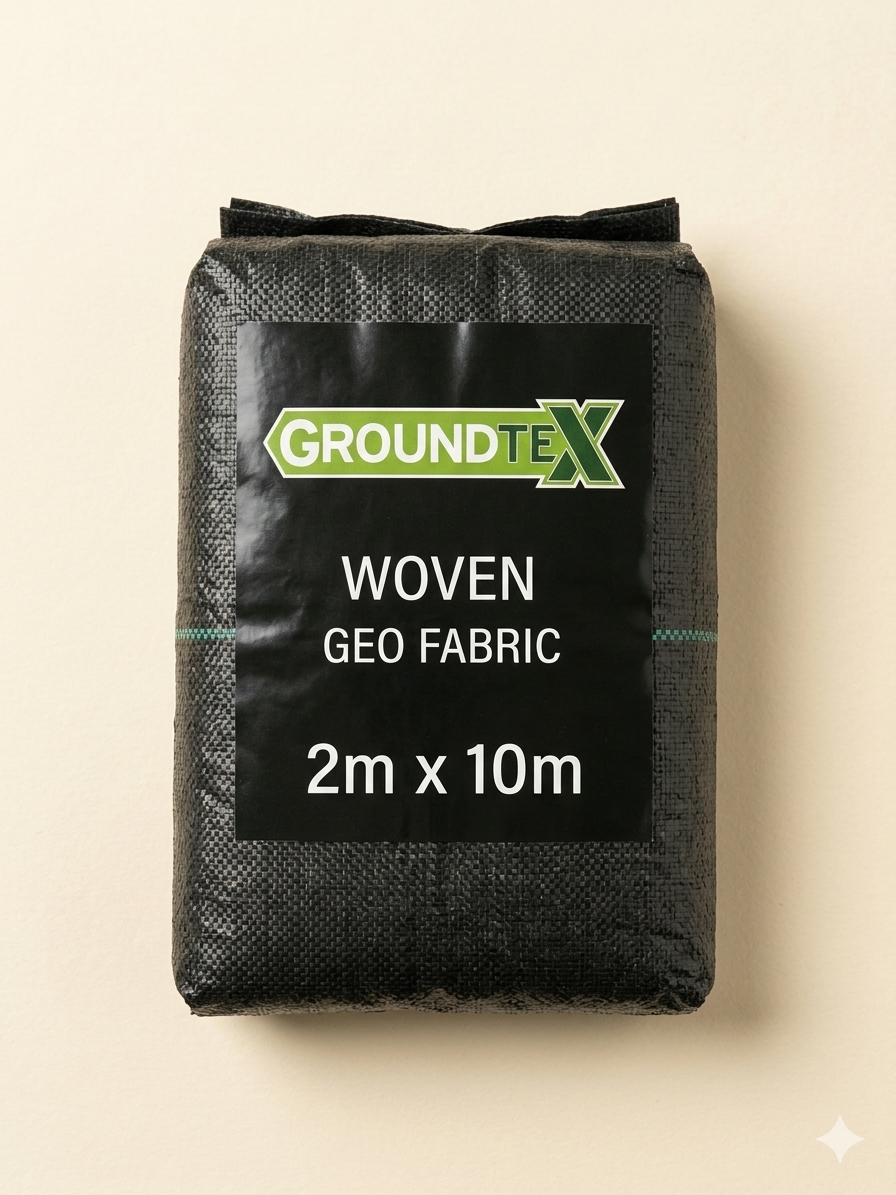
For resin bound or bonded driveways, using a suitable geotextile beneath the base stops both weeds and root ingress. This ensures that the only thing visible through your resin finish is the colour and texture you chose, not a clutch of dandelions in midsummer. Membranes made to stabilise the ground help reduce shifting, and they play a quiet but vital role in long-term surface maintenance.

Groundtex Woven Weed Membrane 2m x 10m — Geotextile Fabric for Flowstone & Resin Bound Driveways
A woven membrane designed to suppress weeds and stabilise ground beneath resin bound and resin bonded…

Upgrading Surfaces: When and Why

Not every issue with a resin driveway is a disaster waiting to happen. Sometimes, age or fashion dictates a refresh—or perhaps the original surface was never quite right for the setting. Fortunately, resin driveways offer a great deal of flexibility for overlays or upgrades. Whether you aspire to greater permeability, prefer a change of aggregate colour, or need to address deteriorating sections, a comprehensive kit designed for complete renewal makes this process more accessible to homeowners and professionals alike.

Opting for a modern, permeable resin system not only revamps the look and feel, but can resolve the historical issues of water retention and weak surface bonding. Modern kits typically include tailored instructions for the UK’s specific climate, ensuring longevity and ease of installation—especially important if you want to avoid repeating old problems in your new surface.

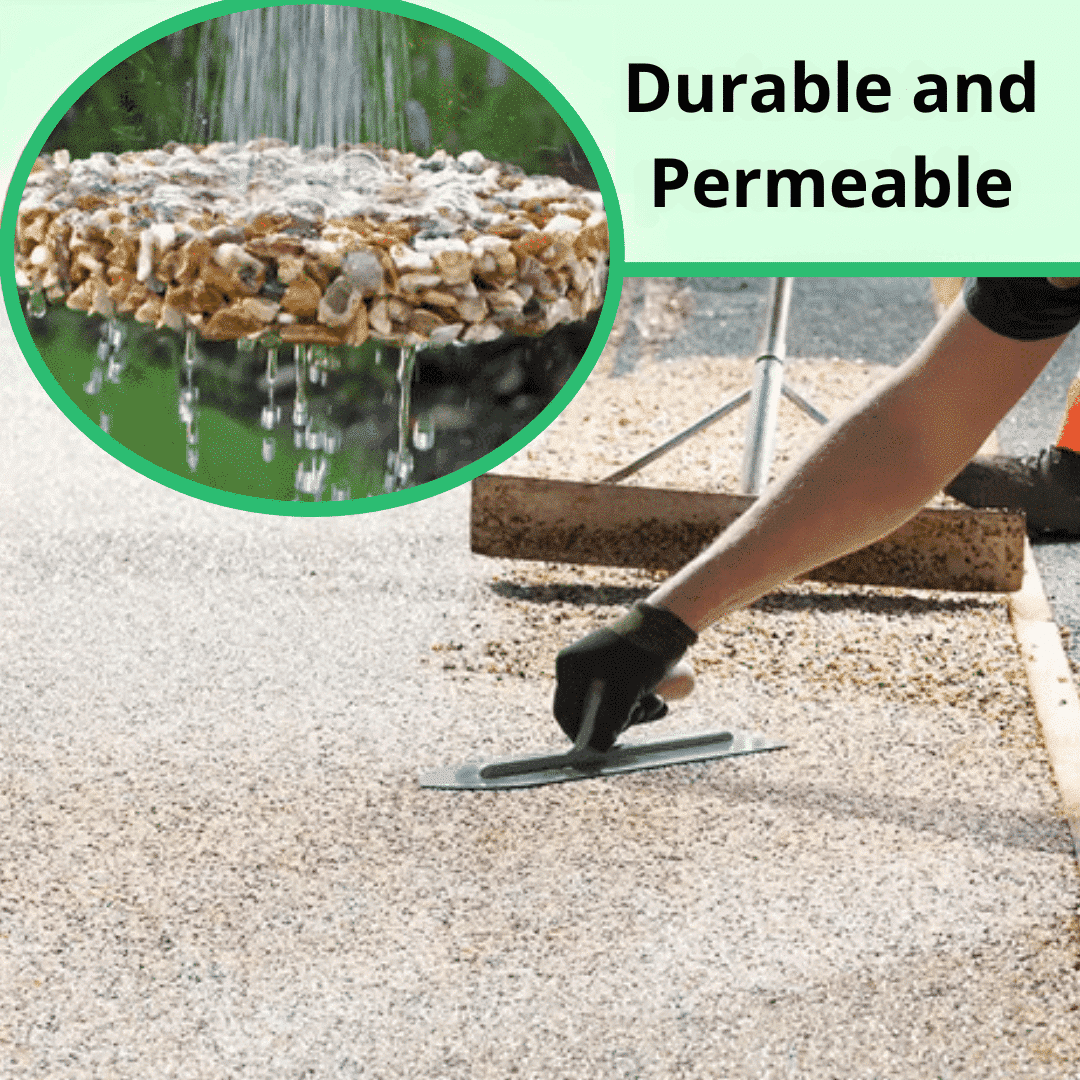
"Flowstone" - Complete Permeable Floor Kit with Pebbles and Resin
"Flowstone" – Complete Permeable Floor Kit with Pebbles and Resin
A complete kit for creating durable, permeable and decorative pebble flooring with resin, suitable for…

Frequently Asked Questions

Is it possible to repair a resin driveway without fully replacing it?

Minor issues like surface chipping, small cracks, or staining can often be treated with patching or recoating rather than replacing the whole drive. Major damage such as widespread subsidence, severe cracking, or failed drainage may require more extensive work, including re-laying the sub-base.

Read the full guide

Are weed membranes necessary under every resin driveway?

A weed membrane is highly recommended under resin bound and resin bonded driveways to prevent weeds, support surface stability, and prolong lifespan. Neglecting this step often leads to maintenance problems down the line.

Read the full guide

Why do some resin driveways become patchy or lose colour over time?

Discolouration is usually due to exposure to UV light, general weathering, or the use of non-UV-stable resins. Surface contamination and poor maintenance routines may also contribute.

Read the full guide

What steps can be taken to reduce cracking and keep a resin driveway strong?

Proper ground preparation, a stable compacted base, and selecting a flexible, well-penetrating resin for sealing concrete are all critical steps. Regular inspections and prompt attention to small cracks help prevent larger faults.

Read the full guide

Is it compulsory for driveways in the UK to be made from permeable resin?

Regulations often require driveways to be permeable or feature adequate drainage to prevent surface water runoff from draining onto public roads. A permeable resin system is a practical solution to meet these requirements and prevent puddling.

Read the full guide

Resin driveways, while smart and adaptable, demand thoughtful planning and periodic care to truly shine in the British environment. An effective response to their common issues isn’t about a single miracle product, but a commitment to choosing the right system for the ground, the climate, and your expectations. If you’re tackling a persistent problem or simply considering a future upgrade, a deeper understanding of what causes failures can transform your results from average to enduring.

How to Choose a Clear Protective Resin Coating

Quick answer

Clear protective resin coatings are transparent layers applied to surfaces such as wood, art pieces, and kitchenware to shield them from scratches, moisture, and UV rays. Choosing the right resin depends on your project’s requirements, including clarity, durability, safety, and compatibility with the underlying material. Understanding these factors is key to achieving a long-lasting, high-gloss finish.

Clarity, durability, and suitability: sorting out the best resin for your surface

The world of clear resin coatings can seem overwhelming, awash with different formulations and technical terms. Whether you are an artist wanting to preserve a vibrant painting, a maker seeking a crystal finish for a table, or a DIY enthusiast upgrading kitchenware, getting the right resin is more than a matter of appearance—it determines how your projects will look and last.

This guide breaks down the real considerations behind the choice, demystifying resin vocabulary so you can make an informed decision and enjoy the peace of mind that comes with a job well done.

What Defines a Good Clear Protective Resin?

The jumping-off point for any protective coating is the glass-like transparency on a decorative surface. Yet this is only the start: real-world conditions demand that a clear resin withstand daily wear, liquids, sunlight, and physical impacts. High-quality resins are formulated to cure into tough, scratch-resistant layers, locking in shine and colour for years without hazing or yellowing. UV protection is another box worth ticking, especially if the coated item will bask in sunlight. You’ll want to match the resin’s viscosity and working time with the detail and scale of your project, keeping an eye out for easy-to-mix ratios that support reliable results.

It’s also essential to weigh up ease of use: some resins are nearly self-levelling, lending themselves to seamless finishes, while others may require more careful application techniques. Consider how thick you want your coating to be, as some resins excel in thin layers, while others perform best in depths up to a centimetre or more per pour.

For Artistic Surfaces: Clarity and UV Protection

When the goal is to preserve artwork, photos, or design pieces, your top priorities are usually clarity and a finish that stays vibrant over time. That’s why many artists reach for a dedicated art resin that delivers a high-gloss surface and reliable UV resistance to protect against yellowing. A product formulated for a transparent, durable sheen not only accentuates the colours beneath but also shields them from daily handling and direct light.

These resins often feature easy mixing ratios and dense, non-drip formulas, making them suitable for detailed work like coasters or trays. For artistic coatings, skilled makers appreciate a formula that doesn’t detract from their handiwork but instead locks in the original brilliance long after application.

"Art Pro" – Clear Epoxy Resin for Artists and Surface Coating
Medium viscosity, clear epoxy resin designed for artists and crafters seeking durable, scratch-resistant…

Protected Surfaces: Heat and Impact Resistance

High-traffic and functional surfaces demand resilience. Whether you’re working on a kitchen countertop, coffee table, or something likely to bear the brunt of dropped keys or hot mugs, flexibility and heat resistance become crucial. The right coating absorbs impacts and counters scratching, all without sacrificing shine or transparency. On smaller projects such as coasters and serving trays, the ability to withstand intermittent bouts of heat offers peace of mind—think of hot drinks or cookware being placed over the surface. Look for coatings specifically rated for higher temperature resistance and mild flexibility if the surface is subject to stress, whilst keeping within their recommended area limits for best results.

Self-levelling properties can also make application more forgiving, yielding a professionally smooth finish with minimal effort. Always check the manufacturer’s guidelines on suitable substrate materials and avoid using heat-resistant coatings in food preparation areas unless food safety is explicitly stated.

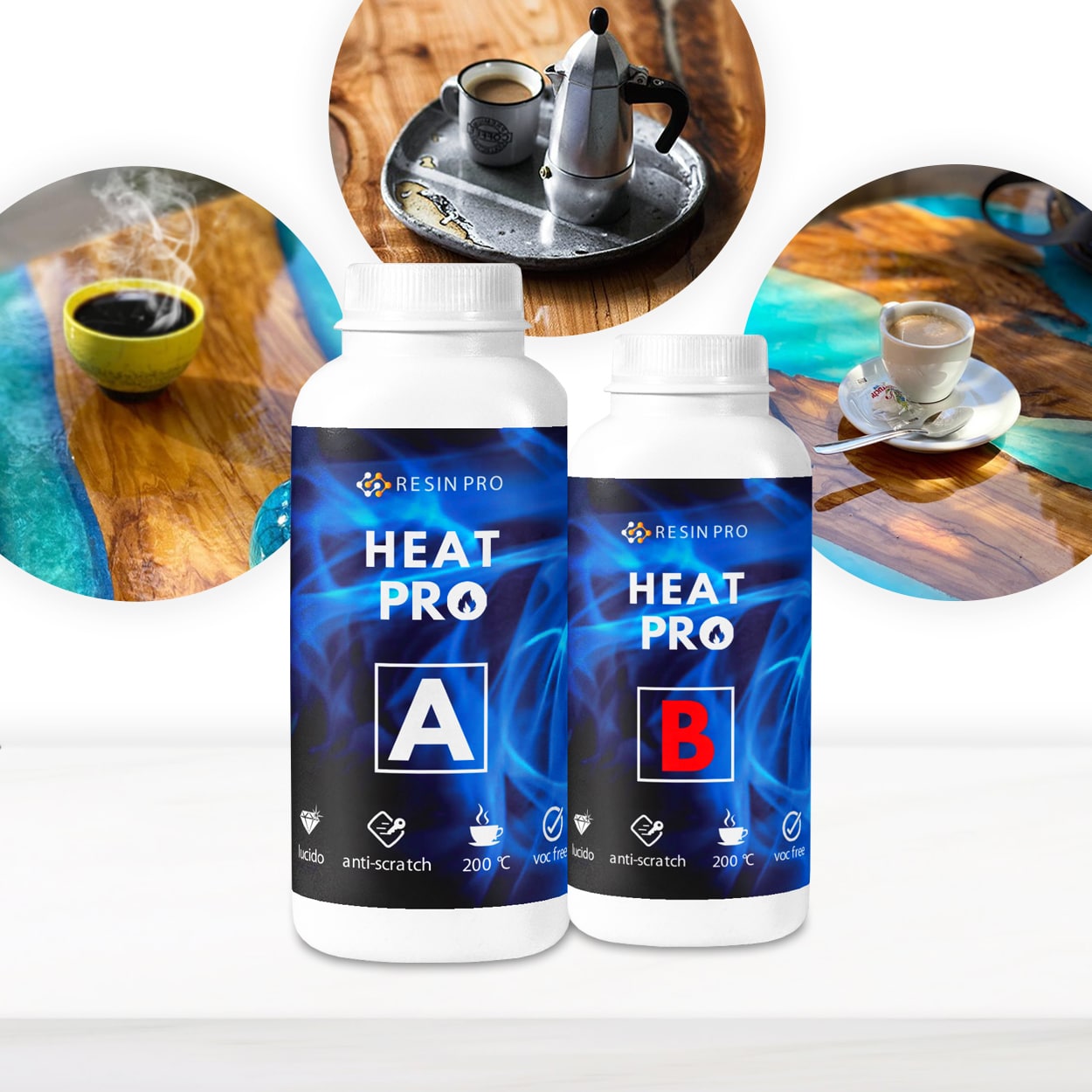
"Heat Pro" - Flexible Heat-Resistant Glossy Coating
"Heat Pro" – Flexible Heat-Resistant Glossy Coating
A flexible, heat-resistant glossy coating suitable for small to medium epoxy resin surfaces up to 0.5 m².

Home Interiors: Odourless Formulas for Comfort and Safety

If you’re coating an indoor table, decorative item, or any area where you’ll be working in limited ventilation, odour and indoor safety might rank higher than anything else. Solvent-free and low-VOC resins ensure a more comfortable experience, both during application and after the project is finished. Many newer formulas claim to be odourless, addressing concerns around strong chemical smells in domestic settings.

Beyond comfort, these resins often combine transparency, scratch resistance, and ease of use, making them a fitting choice for furniture coatings or delicate decorative objects. Additionally, self-levelling features can offer a flawless look without the need for extra sanding or finishing once cured, streamlining the creative process for indoor projects large and small.

"Icrystal" - Clear Epoxy Resin – Odourless Formula – Up to 1.5cm
"Icrystal" – Clear Epoxy Resin – Odourless Formula – Up to 1.5cm
A self-levelling, clear epoxy resin suitable for wood-working, coatings, and artistic uses requiring durable,…

When Food Contact Is Required

In any context where your finished object will touch food—be it a serving board, fruit bowl, or the surface of a kitchen counter—food contact safety becomes non-negotiable. Certified food-safe coatings are rigorously tested to meet European standards, ensuring they remain non-toxic during use and after curing. It’s worth noting that general-purpose resins, while robust or glossy, shouldn’t be relied upon in these circumstances unless they have been independently tested and certified for food contact.

Food-safe clear resins also maintain gloss and transparency, but are formulated to be free from harmful solvents and odours, aligning with both safety and appearance for culinary settings.

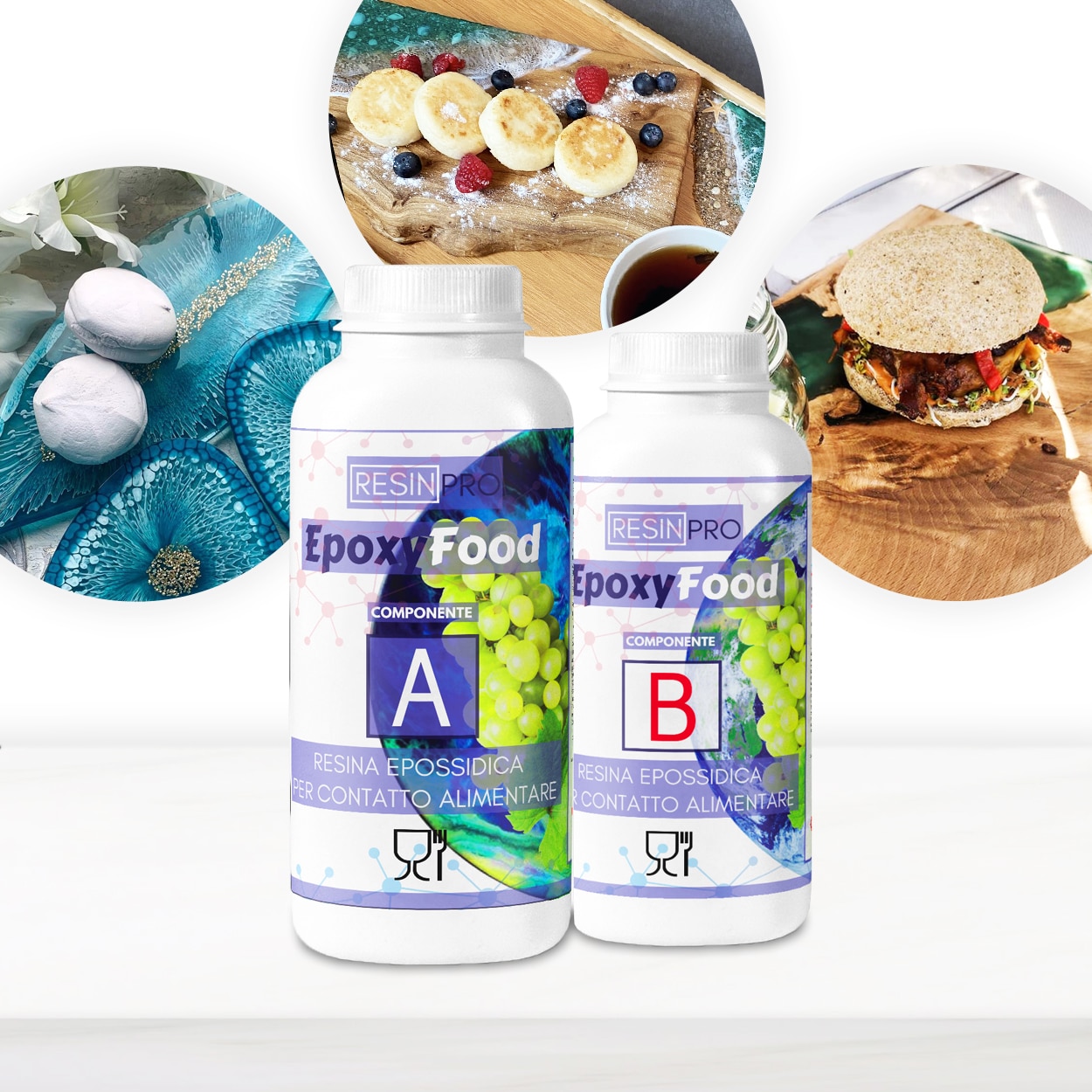
"EpoxyFood" - Certified Clear Food Contact Epoxy Resin for Coating
"EpoxyFood" – Certified Clear Food Contact Epoxy Resin for Coating
A clear epoxy resin certified for safe food contact with excellent clarity and durability.

Frequently Asked Questions

Does clear resin coating yellow or discolour after extended use?

Resins can yellow over time, especially when exposed to direct sunlight. Many formulas now include UV stabilisers, which significantly slow or prevent yellowing and keep your project looking bright and new for years. Always choose a resin with explicit UV protection if it will be in a sunny spot.

Read the full guide

Is epoxy resin suitable and safe for coating kitchen counters or food-prep areas?

For kitchen worktops, always use an epoxy resin certified for food contact. Regular craft or art resins may not be food safe, so look for products with documentation confirming compliance with food safety standards to ensure health and safety in the kitchen.

Read the full guide

Are clear resin coatings always safe to use in enclosed or indoor areas?

Not all clear resins are suitable for indoor use, as some release strong odours or solvents during curing. Odourless, solvent-free resins are best if you’ll be working indoors. Always work in a well-ventilated space and check product specifications for safety guidelines.

Read the full guide

How do some resin coatings better withstand scratches or damage?

Scratch resistance in resin usually comes from its cured hardness and the specific formula, such as added polymers or crosslinking agents. Choosing a resin described as scratch-resistant will help surfaces better stand up to daily wear and contact.

Read the full guide

Is it possible to apply protective resins in thick coats for deep finishes?

Some resins are designed for thin coatings, while others allow for thick pours up to certain limits (like 1.5 cm per layer). For deeper projects, look for products specifically rated for thick applications to ensure a complete and even cure without overheating or clouding.

Read the full guide

Choosing a clear protective resin isn’t just about the brightest shine or the hardest finish—it’s about ensuring your chosen material truly suits how the piece will be used. By matching features such as clarity, UV protection, flexibility, odour safety, and food contact certification with your unique requirements, you can enjoy beautiful, resilient results. Take your time, read the product details, and allow your project’s needs to guide your hand through the world of resins.

Can Epoxy Be Applied Over Existing Concrete?

Quick answer

Epoxy can indeed be applied over existing concrete, provided the surface is clean, dry, and sound. Proper preparation, including cleaning, repairing flaws, and priming, is essential to ensure strong adhesion and a long-lasting, resilient finish. Any surface contaminants or residual moisture can compromise bonding and durability, so attention to detail at each stage makes all the difference.

Crucial steps before coating your concrete with epoxy

Concrete has long reigned supreme as a flooring choice in garages, basements, workshops, and countless commercial spaces. Yet concrete alone can be cold, dusty, and wear-prone, inspiring many property owners to explore epoxy as a way of turning dull slabs into resilient, glossy, and modern floors.

But does every concrete surface make a suitable canvas for resin? The answer is both reassuring and revealing—because while epoxy can absolutely revitalise old concrete, the process is more exacting than simply slapping on a coat and hoping for the best. If you want a finish that lasts, the groundwork matters every bit as much as the final pour.

Why Preparation is Everything

Surface preparation is the foundation of a successful epoxy project—whether you’re restoring a weary garage, renovating a retail venue, or elevating a creative studio. Old concrete can hide a host of issues: surface oils, ingrained dirt, cracks, loose dust, or even old, invisible sealers. Each of these will interfere with the bond between your new epoxy layer and the substrate beneath.

Preparation typically starts with a thorough cleaning, often by mechanical means (such as grinding, shot blasting, or acid etching) to strip away contaminants and mechanically ‘open up’ the concrete. Any significant cracks or holes should be repaired, as weak areas could compromise the whole system. There is an old rule in flooring: your finish will only ever be as good as what it sticks to.

"Epoxyprimer" - Universal Water-Based Two-Component Epoxy Floor Primer
"Epoxyprimer" – Universal Water-Based Two-Component Epoxy Floor Primer
A water-based epoxy primer designed to improve adhesion and durability on various floor surfaces including…

Dealing With Moisture: A Hidden Hurdle

Moisture is the enemy of epoxy applications. Even concrete that feels dry can hold surprising amounts of residual moisture, especially in basements or newer slabs. Excess moisture rising through the slab can cause epoxy to lift, blister, or cloud—seriously undermining durability and appearance.

Testing for moisture isn’t guesswork. Professionals use simple plastic-sheet tests or dedicated moisture meters, and only proceed when results show conditions are suitable. If your concrete is subject to damp, consider addressing drainage or incorporating a vapor barrier beneath the slab before moving ahead. Allowing the surface to dry fully following cleaning or repairs is also crucial before advancing to priming.

"Icrystal" - Clear Epoxy Resin – Odourless Formula – Up to 1.5cm
"Icrystal" – Clear Epoxy Resin – Odourless Formula – Up to 1.5cm
Clear epoxy resin designed for artistic and surface coating purposes with good transparency and durability.

Priming: The Key to Adhesion

Once the concrete is clean, sound, and dry, priming is a step that should never be skipped. An epoxy floor primer not only maximises adhesion but also helps to stabilise the substrate by binding loose particles and evening out porosity.

Primers designed for concrete, such as water-based, two-component formulas, are versatile enough to work on concrete, timber, screeds, or even previously tiled surfaces. This layer acts as a bridge between the unpredictable nature of an existing slab and the uniformity demanded by your final epoxy coating, paving the way for a finish that stays put year after year.

"Trasparente" - Multipurpose Clear Epoxy Resin for Casting – Up to 2cm
"Trasparente" – Multipurpose Clear Epoxy Resin for Casting – Up to 2cm
A clear epoxy resin designed for casting layers up to 2cm with scratch resistance and UV protection.

Repairs and Resurfacing for a Solid Canvas

Before you reach for that high-gloss resin, consider the texture of the slab beneath. Existing cracks, gouges, and rough spots may not simply disappear under a fresh layer—even self-levelling epoxy will mirror major imperfections. Use specialist repair mortars or epoxy mastics for targeted patching, and gauge whether a skim coat or complete resurfacing is needed. The quality of the repairs will shape the visual and structural outcome of the job.

Properly applied, epoxy not only covers but reinforces well-prepared repairs, making the surface as robust as it is attractive.

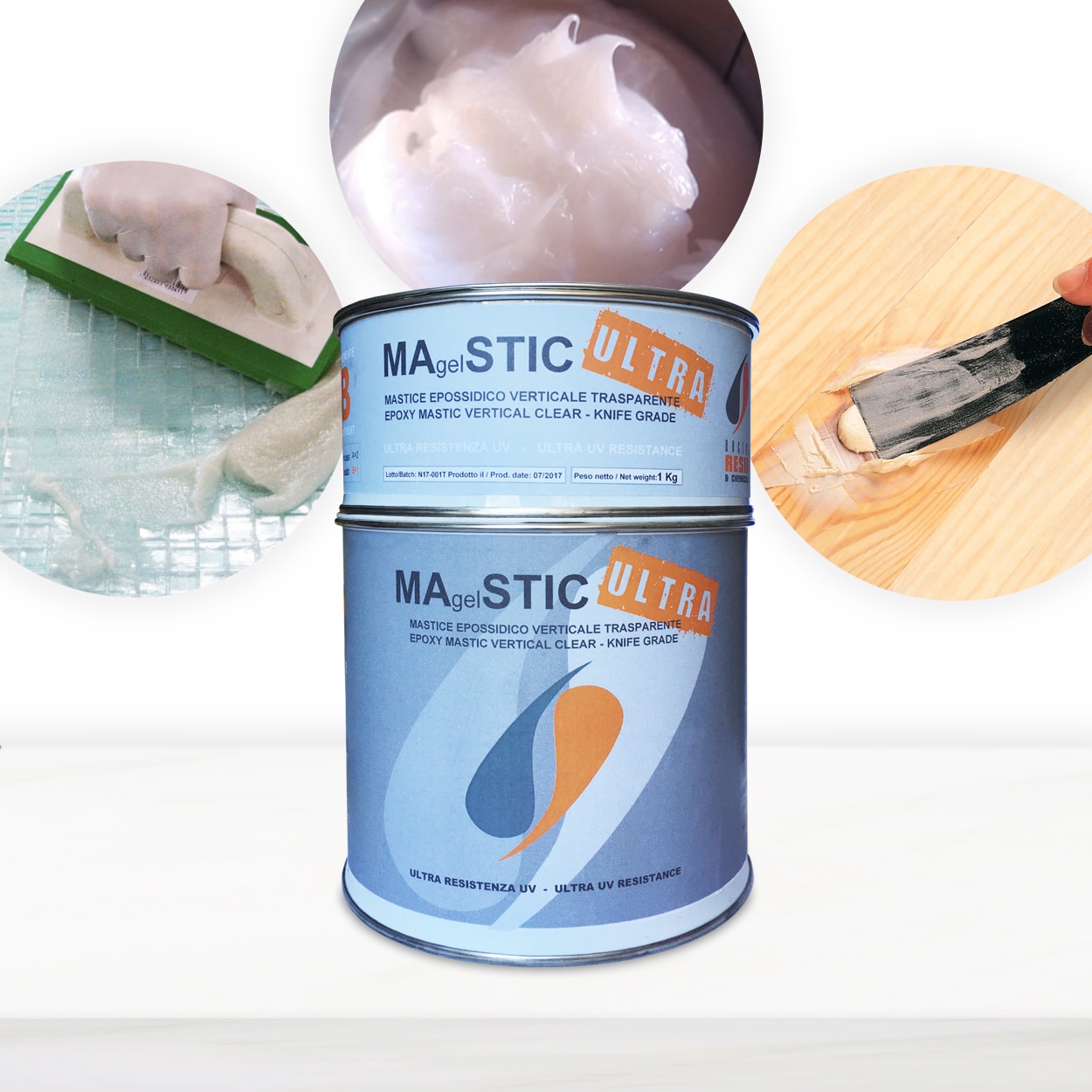
"Magelstick" - Epoxy Mastic for Stone, Metal, and Cement Bonding and Grouting
"Magelstick" – Epoxy Mastic for Stone, Metal, and Cement Bonding and Grouting
A bi-component epoxy mastic suitable for professional bonding and grouting of stone, metal, and cement…

Applying Epoxy: The Finishing Touch

With preparation complete and primer cured, the moment finally arrives to mix and spread your epoxy. Modern formulas for DIY or professional use are designed to self-level and create a lustrous, seamless coating. Application techniques may vary—using rollers, squeegees, or trowels—but all require careful measuring, mixing, and timely work to ensure an even finish.

These finishing coats transform not only the durability of a concrete floor but also its appearance, imparting exceptional gloss and resistance to physical wear. Variations in resin thickness, colour, or inclusion of decorative flakes allow further customisation—but all rely on the groundwork laid in earlier stages for their success.

Frequently Asked Questions

What are the steps to prepare old concrete for epoxy application?

Preparation includes cleaning, degreasing, mechanical abrasion or etching, repairing cracks or chips, ensuring dryness, and priming. Skipping any of these steps reduces long-term adhesion and durability.

Read the full guide

Why is moisture in concrete a problem for epoxy overlays?

Trapped moisture can cause bubbling, blushing, or failure of the epoxy. Moisture vapour prevents proper bonding and can eventually lift the coating, so testing and remediation are essential.

Read the full guide

Is it necessary to use a primer before applying epoxy to concrete?

Priming is highly recommended as it enhances adhesion, strengthens dusty or porous surfaces, and creates a more uniform substrate for the epoxy coating.

Read the full guide

Will an epoxy coating hide all imperfections, cracks, and blemishes in concrete?

Minor surface flaws can be minimised, but pronounced cracks or uneven areas should be repaired beforehand, as epoxy will conform to the shape of the substrate.

Read the full guide

Is it possible to do DIY epoxy application over an existing concrete slab?

Yes, with careful attention to preparation and instructions. However, large-scale or critical surfaces may benefit from professional installation and expertise.

Read the full guide

Thorough planning, patient prep, and respect for the curing process will set your epoxy project up for a lasting, professional result. Epoxy over existing concrete is entirely achievable—you just need to let the details guide you. For a finish that truly elevates, remember: what’s beneath matters as much as what’s on top.

Permeable Resin Surfaces and Drainage Regulations

Quick answer

Permeable resin surfaces are outdoor flooring systems made by binding natural aggregates like pebbles or gravel with resin to allow rainwater to drain through, rather than run off. These surfaces help to prevent flooding, reduce surface water runoff, and meet UK drainage regulations that aim to improve sustainable urban drainage. They are commonly used for driveways, paths, patios, and public spaces.

A practical look at outdoor design, law, and water management

Urban flooding is rarely the result of one-off storms—it’s a chronic, often invisible problem rooted in how we build and pave our environments. Traditional impermeable surfaces can overwhelm drains, while modern planning rules have evolved to address this persistent challenge. That’s where permeable resin surfaces, quietly versatile, begin to change the landscape.

With new homes, driveways and even public spaces coming under stricter drainage laws, both design professionals and homeowners are under increasing pressure to find solutions that do more than just look good. The shift is towards surfaces that welcome water rather than repel it, blending legislation, sustainability and design.

From Runoff to Responsibility: What the Regulations Require

The United Kingdom’s approach to drainage in urban spaces has fundamentally shifted over the past decade. In an effort to tackle everything from localised flooding to overloaded public drains, planning regulations now frequently mandate permeable surfaces for new and renovated hard landscaping, particularly on domestic driveways and commercial plots. Drainage regulations are actually about prevention, aiming to keep water onsite where possible and allowing it to re-enter the ground soil naturally, thus easing pressure on municipal systems.

These requirements aren’t limited to large developments. Even simple home improvement projects may trigger a review under rules such as the Sustainable Drainage Systems (SuDS) Programme. The end result: property owners and designers alike are increasingly searching for attractive, robust options that pass regulatory muster while contributing to a more flood-resistant landscape.

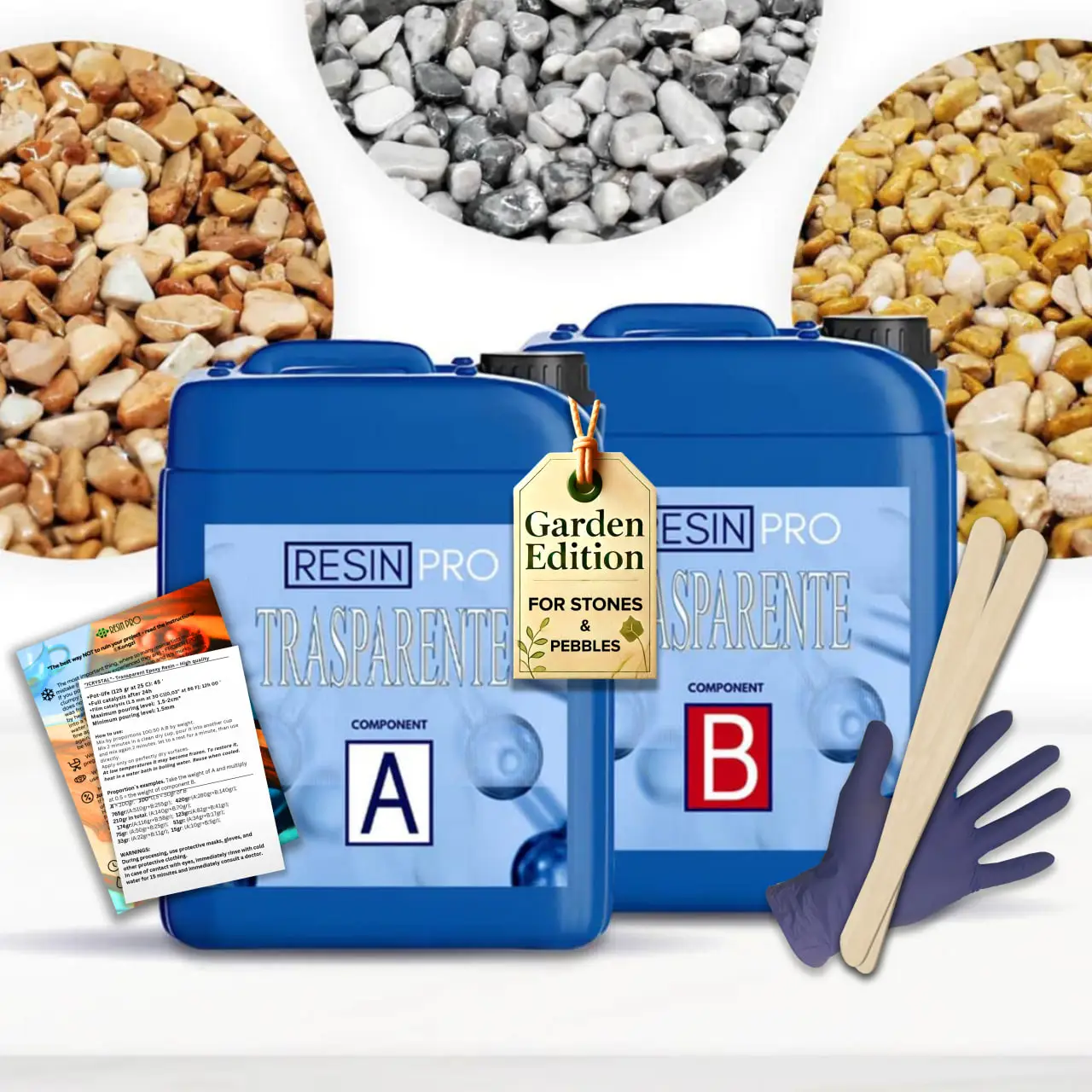
"Trasparente" - Epoxy Binder for Coloured Pebbles and Grits
"Trasparente" – Epoxy Binder for Coloured Pebbles and Grits
A transparent epoxy binder suitable for stabilising coloured pebbles and grits, offering UV resistance and a…

The Real Benefits of Permeable Resin Systems

Why have resin-bound and resin-bonded permeable systems surged in popularity? Their main draw lies in their dual function: aesthetic flexibility and practical drainage. Unlike loose gravel, resin-bound pebbles are fixed in place, offering a smooth yet porous surface that effectively channels water downward. This cuts down standing puddles, enhances walkability, and sustains green credentials.

Modern resin systems can be tailored in colour, texture and aggregate size to suit everything from sleek driveways to naturalistic garden paths. They also support long-term durability with relatively low maintenance, while remaining compliant with water runoff restrictions. Key to this is pairing a suitable binder with the right aggregate—resulting in a robust, permeable carpet of stone that’s as practical as it is attractive.

How Materials Choice Shapes Permeability

The permeability of any resin surface hinges on two things: the type of resin binder and the aggregate itself. Larger-grain natural pebbles—ideally pre-washed, with sizes calibrated for drainage—make a visible difference. Whether you’re choosing the right pebbles or a specialist binder, it’s essential to avoid clogging the matrix and ensure true water passage through the layer.

For instance, washed pebbles with a granule size between 4 and 8 mm are particularly suited to this role, allowing a balanced mix of strength and permeability for patios, paths and landscaping projects.

Washed Pebbles for Permeable Floors 25kg – Outdoor Resin-Bound Surfaces
Natural washed pebbles suitable for creating permeable, durable resin-bound outdoor floors.

Matching Resin Systems to the Aggregate

Effective permeable systems aren’t one-size-fits-all. The nature of your aggregate—white stones versus colourful or darker blends—can influence the binder you select for both visual longevity and functional performance. Epoxy binders are typically recommended for stabilising coloured or dark stones, as they deliver a bubble-free, UV-resistant finish without yellowing, which can be crucial for driveways or decorative walkways that get plenty of sun.

Lighter stones, such as white marble or quartz, tend to do best with a specialist polyurethane binder that resists yellowing and provides durability even in exposed outdoor settings. This kind of mindful pairing ensures both permeability and lasting appearance—especially important in projects subjected to regulatory scrutiny or harsh British weather.

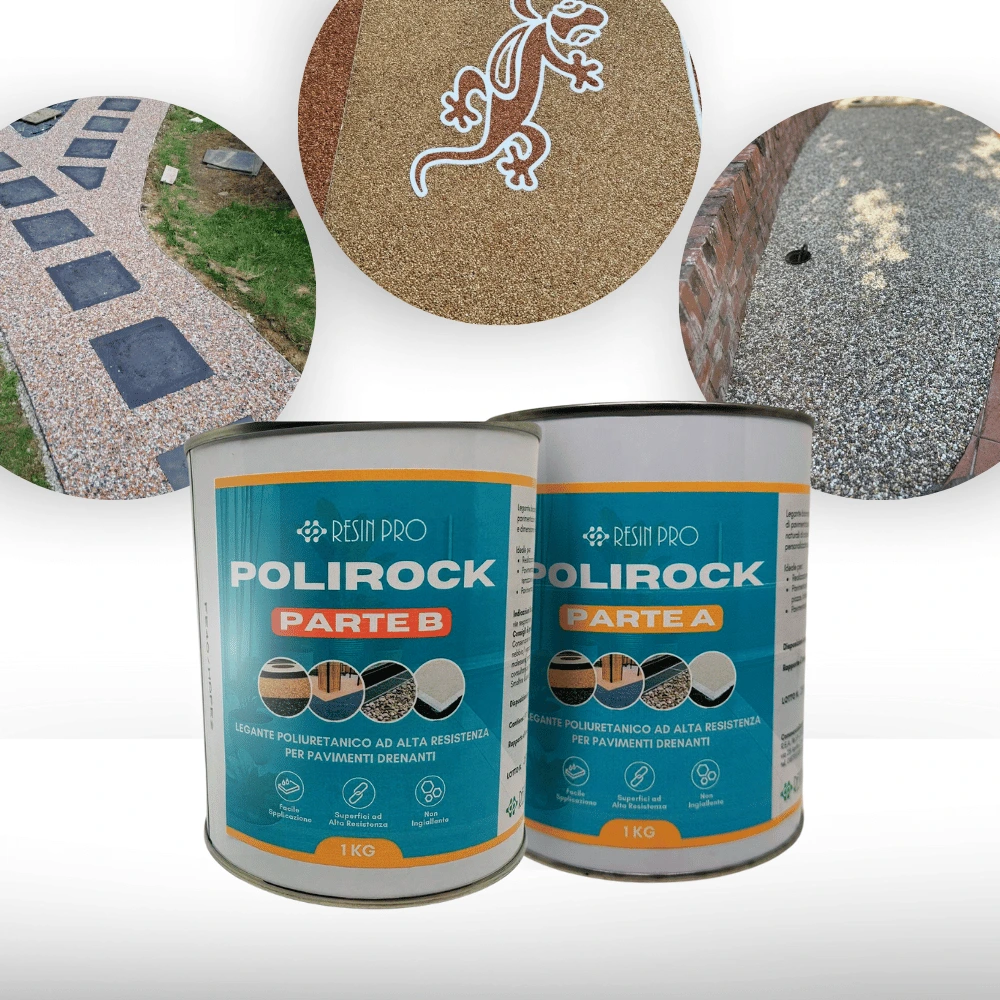
"Polirock" - Polyurethane Binder for White Stones, 2kg Two-Component Kit
"Polirock" – Polyurethane Binder for White Stones, 2kg Two-Component Kit
A transparent, weather-resistant polyurethane binder designed for permeable and decorative white stone…

Application in the Context of Law and Compliance

For all their technical appeal, permeable resin surfaces must ultimately perform in real-world regulatory environments. Local authorities increasingly expect proof of permeability, particularly where new driveways or public surfaces are installed. The application technique—thorough mixing, careful layer thickness and proper curing—often determines whether the system delivers on both appearance and drainage promises.

Comprehensive resin and pebble kits, offering detailed installation guidance and compatible materials, dramatically reduce the risk of non-compliance or poor performance. These kits package together the know-how and components needed to achieve consistent, regulation-ready results—especially for larger or more prominent outdoor renovations.

"Flowstone" - Complete Permeable Floor Kit with Pebbles and Resin
"Flowstone" – Complete Permeable Floor Kit with Pebbles and Resin
A permeable resin and pebble kit for durable, draining outdoor surfaces tailored for various urban and…

Frequently Asked Questions

Does my driveway need to be permeable under UK law?

Under UK regulations, new or replacement driveways over five square metres in front gardens must use permeable surfacing or direct runoff to a suitable drainage system. This helps prevent adding to urban flooding and overloading public drainage.

Read the full guide

What aggregates work best for resin-bound permeable surfaces?

Washed pebbles and natural gravels with granule sizes between 4 and 8 mm provide optimal permeability and stability. The choice may vary based on colour preference, with lighter stones often paired with specific binders.

Read the full guide

What's the difference between resin-bound and resin-bonded surfaces?

Resin-bound surfaces mix aggregate with resin so water can drain through, making them fully permeable. Resin-bonded systems spread resin on the base before broadcasting aggregate, resulting in a textured but largely impermeable surface.

Read the full guide

Can I install a permeable resin surface myself?

Yes, many systems come with clear instructions and are suitable for DIY. Proper preparation of the substrate and attention to detail during mixing and laying ensure a compliant, effective finish.

Read the full guide

What maintenance do permeable resin surfaces require?

Regular sweeping and occasional washing help prevent silt or debris from clogging the surface. Otherwise, these surfaces are generally low-maintenance and resistant to weathering, moss, and weeds.

Read the full guide

Permeable resin surfaces are not just an aesthetic choice—they’re a forward-thinking response to real regulatory and environmental demands. Whether you’re planning a sweeping driveway or a modest garden path, integrating permeability from the start is increasingly non-negotiable. Water-smart design protects both your property and your community, rewarding both compliance and creativity in the process.

Anti-Slip Resin Finishes for Commercial Spaces

Quick answer

Anti-slip resin finishes are surface treatments designed to enhance traction and minimise slip hazards in commercial environments. By incorporating textured aggregates or specialised coatings, these systems transform concrete, tile, and other substrates into safer, more resilient flooring. Widely used in retail, hospitality, and industrial settings, anti-slip finishes help meet safety standards while allowing aesthetic flexibility. Their effectiveness relies on correct material selection, surface preparation, and maintenance practices.

Reducing risk and elevating design in work and public areas

Anyone responsible for a bustling workplace or public venue knows that flooring is far more than a matter of looks. Slip resistance is not purely decorative—it’s the front-line defence against costly accidents, liability headaches, and the lasting impact of a single slip or trip. In commercial settings, where traffic is constant and weather can bring unexpected challenges indoors, even a moment of lost footing becomes significant.

This intersection of safety and design presents both a challenge and an opportunity: How do we protect staff and visitors while maintaining the character and utility of a space? The answer, for many, lies in modern anti-slip resin finishes—a category of solutions that blend advanced materials with everyday practicality.

Materials science behind the finish

Today’s anti-slip finishes rely on more than just a rough surface underfoot. Materials science behind the finish shapes systems that lock in both texture and durability. For example, polyurethane coatings can bond with a variety of substrates—concrete, tile, plastic, even prepared steel—creating a base resistant to abrasion and weathering. When needed, these coatings are adjusted with embedded particles or a micro-texture to meet rigorous slip standards.

Epoxy resins, meanwhile, are valued for their ability to encapsulate aggregates like coloured pebbles or quartz. These not only enhance traction but can also turn utilitarian corridors or entranceways into design features. For commercial spaces exposed to sunlight or variable temperatures, UV-resistant properties protect both the performance and appearance of the finish over time.

"Prolux" – PU coating for tiles, concrete, plastic and metal – suitable for driveable surfaces
A two-component polyurethane coating suitable for floors and driveable surfaces requiring durability and UV…

Making safety visually appealing

There is often a misconception that safer means uglier. Yet, modern anti-slip resin systems allow designers and facilities managers to specify virtually any colour, level of sheen, and even artistic inlays while ensuring a secure footing. Adding coloured grits or decorative pebbles to an epoxy binder brings a tactile, multi-dimensional aspect to walkways—ideal in reception areas, galleries, or retail zones where first impressions count.

Customisation isn’t just a bonus; it’s part of the practicality. Clear or pigmented resins maintain the underlying character of existing floors or extend branding to the very ground guests walk on. The right know-how blends form and function in ways that are now expected by increasingly design-conscious clients.

"Trasparente" - Epoxy Binder for Coloured Pebbles and Grits
"Trasparente" – Epoxy Binder for Coloured Pebbles and Grits
A transparent epoxy binder suitable for coloured pebbles and grits, designed for use in permeable, decorative…

Application: Small details deliver big benefits

How a finish is applied is as crucial as the mix itself. Techniques range from rolling polyurethane coatings onto prepared surfaces to carefully trowelling aggregates and epoxy binders for an even, consistent anti-slip layer. Attention to detail at installation—ensuring an even spread of texture, thorough impregnation of stones, or the correct ratio of resin to aggregate—translates to long-term stability and performance.

Fast-curing options and clear binders mean that even high-traffic areas can be returned to service rapidly, reducing downtime and disruption. The flexibility of resin systems also makes repairs straightforward—damaged, worn, or faded regions can often be refreshed without a wholesale refit, minimising both waste and inconvenience.

Regulations, wear and future-proofing

Commercial spaces are governed by strict regulations for slip resistance, especially in public-facing or high-traffic zones. Anti-slip resin finishes help meet these standards by delivering measurable, reliable results that can be tailored to every risk level. More than that, the inherent durability of these materials handles repeated cleaning, impact, and exposure to water or chemicals.

Regular maintenance is simple: many systems only require occasional resealing or spot updates to preserve their anti-slip properties. By investing in proven materials and robust installation, facilities managers find a balance between immediate compliance and long-term cost-effectiveness.

Frequently Asked Questions

Will adding an anti-slip resin coating noticeably change the appearance or colour of a floor?

Many anti-slip resin systems can be formulated with a clear or pigmented finish, allowing you to preserve or enhance your existing floor's colour and look. The appearance may change slightly due to the addition of aggregates or texture, but the result can be tailored to your aesthetic needs.

Read the full guide

How long can I expect a resin-based anti-slip finish to last in a commercial setting?

With correct application and regular maintenance, high-quality resin finishes can retain their slip-resistance and appearance for many years, even in demanding environments. Wear will depend on traffic levels, cleaning routines, and environmental exposure.

Read the full guide

Can anti-slip resin systems be used on outdoor surfaces in commercial spaces?

Yes, many anti-slip resin finishes are designed to withstand outdoor conditions, including UV exposure and weathering. It's important to choose a system specifically intended for exterior use and to apply it according to the manufacturer's guidance.

Read the full guide

If a section of resin anti-slip flooring is damaged, can it be repaired without replacing the entire floor?

In most cases, repairs can be made locally by patching the affected area with compatible materials and blending it with the existing surface. This minimises the need for major disruptions or replacing the whole floor.

Read the full guide

In the world of commercial interiors and exteriors, anti-slip finishes are more than a health and safety box-tick. Thoughtful design and expert application ensure staff and visitors feel confident with every step, and that the space reflects the standards of its owners. As techniques and technologies evolve, the best results come from marrying resilient materials with an eye for the details that matter most—function, aesthetics, and the day-to-day realities of modern workplaces.

Common Mistakes When Working With Epoxy Resin

Quick answer

Common mistakes when working with epoxy resin include improper measuring and mixing, neglecting environmental conditions, introducing bubbles, and using unsuitable tools or surfaces. These errors often lead to sticky finishes, cloudy results, and weak bonds. Paying attention to preparation, precision, and curing conditions is essential for producing quality resin work that endures.

How better habits can turn mishaps into mastery in resin work

Anyone who’s experimented with epoxy resin quickly discovers it is as temperamental as it is transformative. The thrill of unmoulding a glossy, glass-like form so often gives way to disappointment—be it trapped air bubbles, cloudy swirls, tacky spots or edges that refuse to stay perfect. For all the magic resin offers, its best results demand method and patience.

For artists and hobbyists alike, understanding where things go wrong is the first step toward consistently stellar results. Mistakes aren’t just rookie errors; even seasoned makers can fall prey to lapses in preparation, flawed mixing, or environmental surprises. So why do these issues persist, and how can we work smarter with this remarkable material?

Underestimating Preparation and Workspace Conditions

Preparation underpins every successful resin project, but it’s often rushed or skipped. Workspaces need to be dust-free and level—an uneven surface means pooled resin and unpredictable thickness. Even environmental factors trip up veteran resin users; checking your ambient temperature and humidity is vital. Pouring resin on a chilly night or in a damp garage can slow (or halt) curing, affect viscosity, and introduce moisture, leading to cloudiness or stickiness.

Silicone moulds and wooden panels must be clean, dry, and prepped. Even minor traces of oil or moisture on a mould can stop resin from setting properly or leave odd marks. Before you open a bottle, check everything, including gloves, surfaces, and the quality of your measuring gear. This checklist is rarely glamorous but is the surest hedge against an afternoon full of frustration.

Anti Bubble Mixer for Epoxy Resin – Reusable Mixing Tool
A reusable mixer designed to gently stir epoxy resin, reducing bubble formation for a smoother finish.

The Art and Science of Mixing: Where Bubbles Begin

Impatient or uneven mixing is behind more ruined pieces than most makers care to admit. Rushing this step, or using makeshift tools, almost guarantees bubbles and streaky cures. Focusing on technique and patience—a slow, methodical stir, scraping the bottom and sides—minimises trapped air. Using gentle, purpose-built mixing tools can help, especially when blending large volumes or multiple colour elements.

It’s not only about how long you mix, but how you mix. Vigorous stirring invites air and foamy textures, while gentle hands encourage the resin and hardener to unite smoothly. Even temperature matters: if one part is colder than the other, they won’t combine evenly, leaving uncured or streaky results. In the end, technique is every bit as important as the brand of resin in your cup.

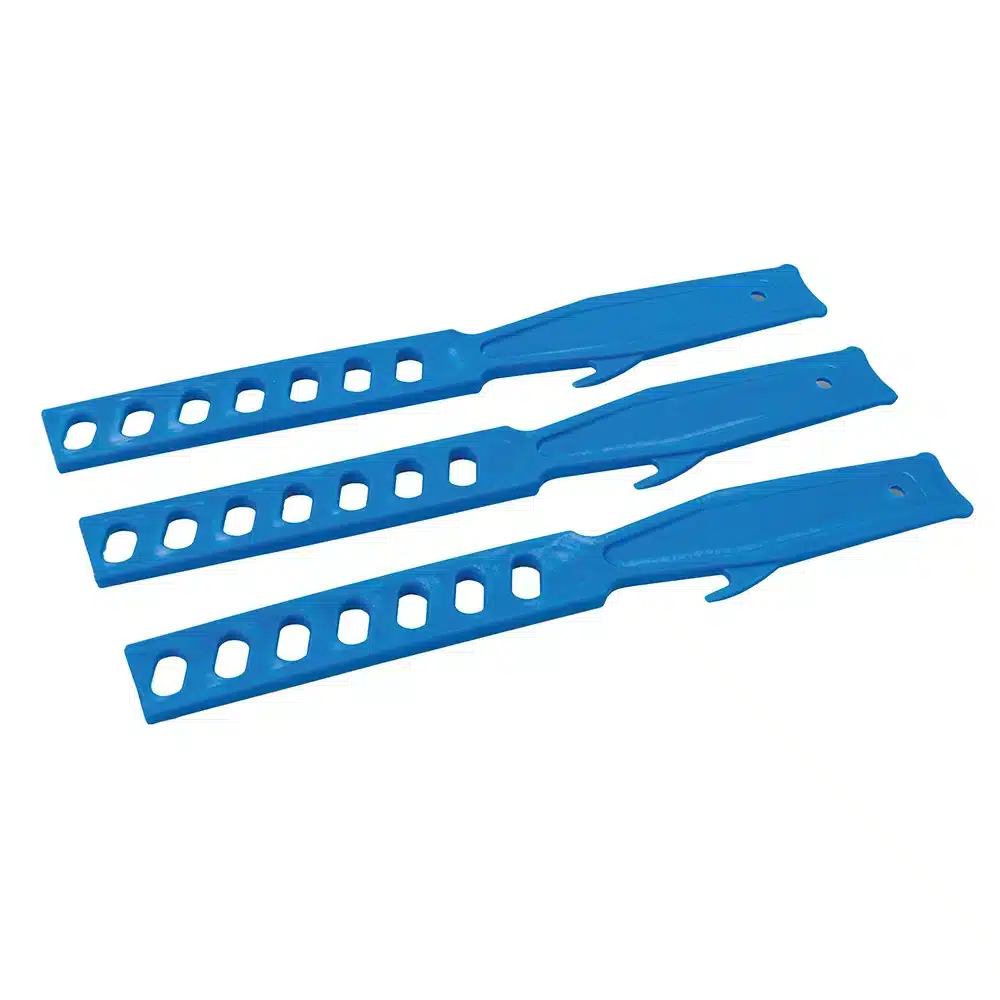
Mixing Sticks for Epoxy Resin - Perfect for Blending – 3Pcs Pack
Mixing Sticks for Epoxy Resin – Perfect for Blending – 3Pcs Pack
Reusable mixing sticks designed for blending epoxy resin and similar materials with precision.

Cross-Contamination and Cleanliness: The Silent Saboteurs

Even minor contamination—from dirty mixing tools, greasy hands, or residue left in a measuring bucket—can derail a resin pour. Oils or stray bits of prior projects may stop resin from curing on contact, or cause unexpected colour shifts. This is especially important for crafters reusing their kit. Flexible mixing buckets or dedicated stirring sticks, properly cleaned, help prevent scraps of old resin from sneaking into new work and marring otherwise flawless casts.

A little extra diligence pays off: wipe down silicone tools, use lint-free cloths, and never pour fresh resin into old containers unless you’re certain they’re fully clean. The best resin artists become meticulous about their workspace, treating every new pour as if contamination lurks around every corner.

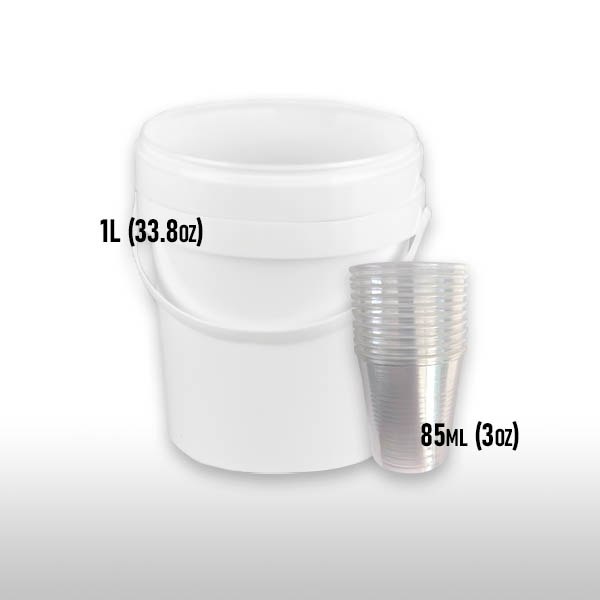
Mixing Buckets Kit for Epoxy Resin Art – Easy Clean Flexible Design
A flexible mixing bucket kit designed for resin artists to achieve effective epoxy resin mixing with easy…

Managing Expectations—And Finishing the Finish

Finishing isn’t just vanity; it’s the final safeguard against mistakes you didn’t spot mid-pour. Even well-mixed resin occasionally emerges with dull patches or microscratches from mould release or handling. Sanding and polishing aren’t just for repair—they can transform a project from passable to stellar, masking slight surface flaws and restoring brilliant gloss. Don’t rush this last step: take time with fine grit sandpapers and polishing compounds, and don’t be discouraged if the shine doesn’t appear instantly. Layers of care in the finish protect, beautify, and ultimately redeem the piece from minor blunders along the way.

It’s this attention to detail—from plan to polish—that separates the work you’re proud of from experiments you’d rather forget. Mastery in resin is less about perfect pours and more about the resolve to see a project through every phase, including the humble disciplines that most would skip.

"Epoxy Polish" - Epoxy Resin Polishing System
"Epoxy Polish" – Epoxy Resin Polishing System
A polishing system designed to rejuvenate and enhance epoxy resin surfaces to a professional gloss.

Frequently Asked Questions

How do you stop bubbles from forming in epoxy resin?

To reduce air bubbles, mix resin and hardener slowly with a dedicated tool and avoid vigorous stirring. Pour in thin layers and use a heat gun or torch to help bubbles rise and pop. Warming the resin beforehand can also help bubbles escape more easily.

Read the full guide

Why does epoxy resin remain sticky or cloudy even after curing?

Sticky or cloudy resin usually indicates improper mixing or poor environmental conditions. Double-check that you used accurate ratios, mixed thoroughly, and poured at the recommended temperature. High humidity or contamination can also cause these issues.

Read the full guide

What tools should I use for safely mixing epoxy resin?

Use containers and stirring sticks designed for resin work, ensuring they are clean and residue-free. Dedicated mixing buckets or reusable sticks help prevent contamination, ensure thorough blending, and are often easier to clean between projects.

Read the full guide

Do I need to sand and polish my epoxy resin pieces?

Sanding and polishing are optional but beneficial. They help remove minor scratches or dull spots, making your pieces glossier and more professional looking. For deep imperfections, start with coarse grit and work up to finer abrasives, then polish.

Read the full guide

No art form owes more to methodical preparation and patient habit than working with epoxy resin. The most common errors are rarely accidents of ignorance, but lapses in attentiveness or haste. Every step—planning, measuring, mixing, pouring, curing, and finishing—makes its own demand for care. If you respect the process and accept the learning curve, mistakes become stepping stones, not stumbling blocks, to more satisfying and beautiful creations over time.

Waterproof Resin Coatings for Utility Areas

Quick answer

Waterproof resin coatings are protective finishes applied to utility area floors and walls, such as garages, workshops, and laundries, to shield against moisture, stains, and abrasion. These advanced coatings provide a long-lasting barrier that helps surfaces resist water damage, chemical spills, and general wear, making maintenance easier and improving overall durability in hard-working spaces.

Practical solutions for durability, hygiene and design indoors and out

The advent of waterproof resin coatings has permanently changed how we approach practical surfaces in utility areas. Garages, basements, and utility rooms once conjured images of concrete floors stained and chipped from decades of wear – but that landscape has shifted.

Modern coatings offer more than just a quick fix for stubborn leaks or errant splashes. They aim for beyond just function, blending robust protection with design versatility. As our homes and workplaces demand more from these transitional zones, the value of a resilient, easily maintained finish becomes ever clearer.

Challenges of Utility Areas: Why Surfaces Fail

Every utility area faces a barrage of stressors: frequent moisture, heavy traffic (sometimes even vehicles), chemical exposure and unpredictable temperature swings. Whether it’s a boot room after a muddy walk, a secondary kitchen in constant use, or the family garage doubling as storage, the risks for water seepage, surface abrasion and staining are relentless.

Traditional finishes like untreated concrete or basic paint only last so long before showing cracks, peeling, or succumbing to damp. That’s where resin technology steps in – forming a continuous, sealed surface that stands up to water and wear, keeping maintenance simple and breakdown at bay.

"Prolux" – PU coating for tiles, concrete, plastic and metal – suitable for driveable surfaces
A two-component polyurethane coating suitable for floors and surfaces requiring waterproof and durable…

Getting the Right Resin: Not All Solutions Are Equal

Resin coatings are not one-size-fits-all. Their chemistry varies – from polyurethane to methacrylic to epoxy – each chosen for specific performance goals. Polyurethane’s flexibility excels where temperature changes or foot and vehicle traffic prevail, while methacrylic resins offer quick, deep penetration of porous concrete for effective sealing. Epoxy, on the other hand, is prized for its bond strength and beautifully clear finishes, perfect for spaces prioritising easy cleaning and aesthetics as much as protection.

It’s not simply a matter of picking any waterproof resin; aligning the product with your area’s unique needs makes all the difference in the outcome and longevity of your investment.

"Resinstone" - One-Component Methacrylic Resin for Concrete Floors and Driveways
"Resinstone" – One-Component Methacrylic Resin for Concrete Floors and Driveways
A one-component methacrylic resin designed for sealing and protecting concrete floors and driveways with…

High-Traffic Floors: Keeping Water and Damage Out

Where wheelbarrows, bikes, pets, or even vehicles are a daily occurrence, durability and waterproofing matter above all. Polyurethane and methacrylic resins both play starring roles: their chemical structure offers not only an impermeable barrier but resistance to abrasion and chemical spills too. For outdoor driveways or busy garage floors, these resins provide peace of mind – helping to keep floors free from water ingress, staining, and slow structural damage. Many are available in clear or coloured finishes, so function needn’t exclude form.

"Vertical Glass" - Thick Resin Decorative Wall Coating
"Vertical Glass" – Thick Resin Decorative Wall Coating
A thick epoxy resin wall coating providing decorative, waterproof protection on vertical and sloping surfaces.

Transforming Vertical Spaces: Humid Areas and Walls

Transforming vertical spaces such as laundry walls, backsplashes, or even indoor entryways is another realm where resin coatings shine. Humidity-prone surfaces used to require relentless scrubbing and re-painting to stave off mould or peeling paint. Now, high-viscosity resins designed for vertical or sloped application, like thick epoxy blends, make it possible to create continuous, seamless waterproof layers that repel water and are easy to wipe down.

This move from floors to walls extends the practical advantages of waterproof coatings, protecting every angle and nook from moisture and staining, while also opening new decorative possibilities – think of vibrant pigments or even glossy, glasslike effects for a feature wall that is as tough as it is striking.

"Icrystal" - Clear Epoxy Resin – Odourless Formula – Up to 1.5cm
"Icrystal" – Clear Epoxy Resin – Odourless Formula – Up to 1.5cm
Clear, odourless epoxy resin designed for durable, scratch-resistant coatings in domestic and utility…

Beyond Utility: Seamless, Contemporary Finishes

While resin coatings began as utilitarian solutions, their impact on interior design can be striking. The seamless, contemporary look they afford – especially in open-plan spaces or minimalist homes – is no longer just a bonus, but often a key reason people opt for resin in the first place. A continuous waterproof layer without grout lines or breakpoints means deep cleaning is a breeze, and spills wipe up effortlessly before they cause trouble. It’s a finish that sits comfortably at the intersection of style and practicality, evolving the idea of what a utility area can be.

Frequently Asked Questions

Will resin coatings completely stop water and damp in utility areas?

Quality resin coatings form a powerful moisture barrier on treated surfaces, preventing most water ingress and damp. However, they work best when applied over properly prepared, dry substrates. Sub-ground moisture or unaddressed leaks may still cause issues if not managed beforehand.

Read the full guide

Can resin coatings cope with the wear of daily use and vehicles?

Certain resin coatings – like polyurethane or methacrylic types – are specifically designed for heavy traffic, including foot, vehicle, and even commercial equipment. Appropriate selection and surface prep ensure lasting performance under demanding conditions.

Read the full guide

Are waterproof resin coatings easy to keep clean over time?

Resin-coated surfaces are very smooth and non-porous, making spills easy to wipe away and preventing stains from soaking in. Regular sweeping and an occasional damp mop usually suffice to keep them looking fresh.

Read the full guide

Can resin coatings be applied to walls or only floors?

Specially formulated thick resins are available for vertical applications, creating waterproof, decorative, and easily cleaned wall finishes. Traditional self-levelling floor resins do not suit this use, so choosing the right product is crucial.

Read the full guide

Can I choose colours or gloss levels for my resin-coated utility area?

Yes, many resin coatings can be tinted to a range of colours and come in matt, satin, or gloss finishes. Decorative and clear coat options allow for both practical and aesthetic customisation.

Read the full guide

Waterproof resin coatings are about more than surviving splashes; they shape utility areas into spaces that truly support our changing needs, combining resilience, low maintenance, and the possibility for tailored design. Whether renovating a well-worn garage or designing a new laundry zone from scratch, investing in the right coating has lasting effects for both peace of mind and practical living.

Home
Account
0
£0.00
Favorites
Assistance